


UV Curing That Actually Fits Your Budget (and Your Shop)
Let’s be honest: most high-end UV curing setups are wildly overpriced. If you’re running a small or medium shop, you usually get hit with a massive bill for a custom array that you might not even fully need. It’s frustrating. That’s why we built our modular UV systems. We wanted to give you a way to grow your power without having to rip out the whole rig and start over every time your business picks up.
Power That Scales With You
Here is how it works: instead of one giant, stubborn ballast that does one thing, we use linked modules. It’s simple. If your conveyor is humming along slowly, just drop a module to save on your power bill. Need to crank up the speed for a rush job? Pop another one in. You get exactly the wattage you need for the job at hand. But it’s not just about raw power. We’ve dialed in the wavelengths so the ink actually triggers. There is nothing worse than scorching the surface of a print while the bottom layer stays tacky. We balance the intensity so you get a full, clean cure every single time.
Built for the Shop Floor
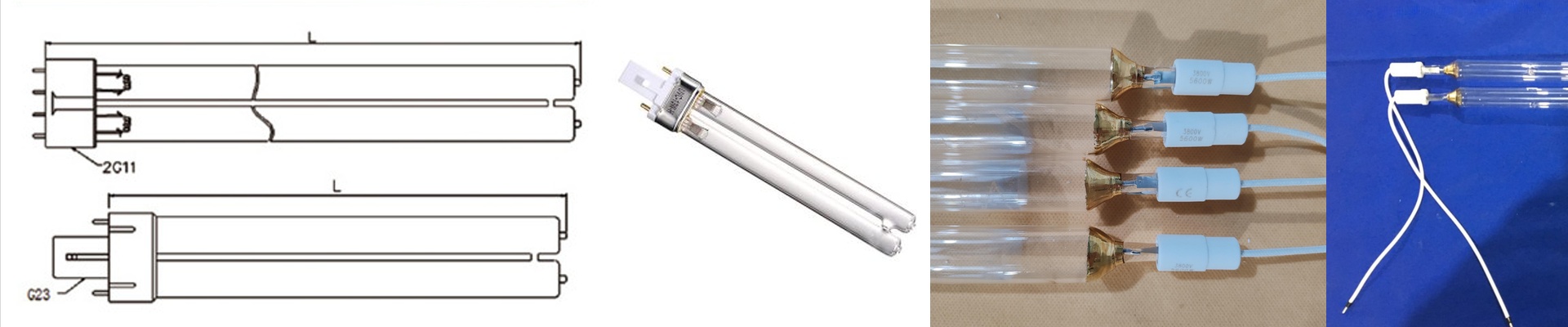
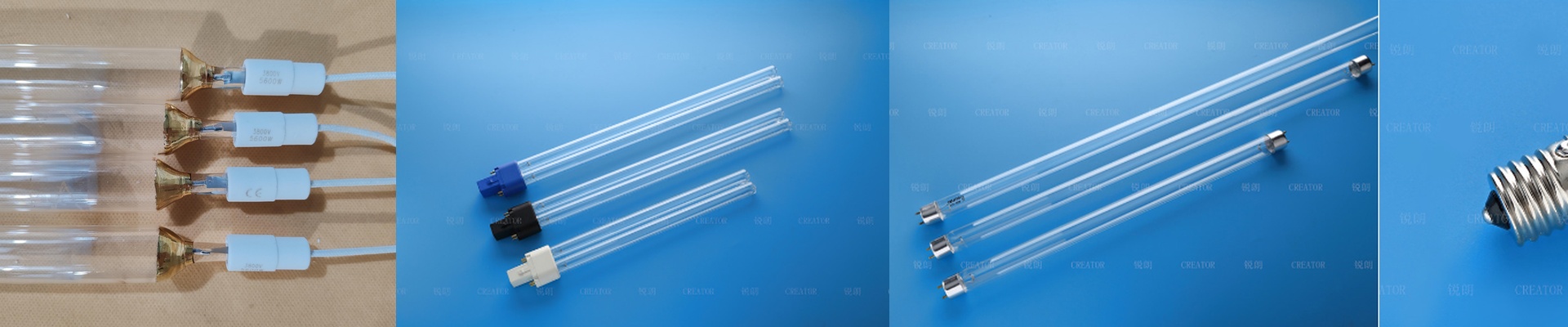
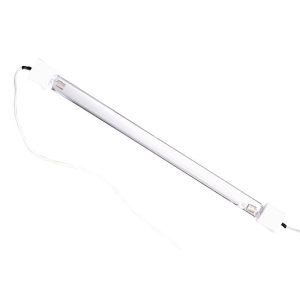
We kept the design dead simple. We use standardized mounts, which means when a bulb eventually burns out, it’s a quick drop-in replacement. You won’t have to spend your afternoon re-engineering your frame just to get back to work. The housing is tough, too. We used materials that won’t warp or degrade under constant UV exposure, because we know shop environments can be brutal. And we stripped out all the useless bells and whistles. You get a direct line from the power source to the lamp. No fancy fluff, just fewer things that can break and less electrical noise to deal with.
Making It Work in Your Space
One of the best parts? These systems have a tiny footprint. You can squeeze them into those tight corners where a traditional curing tunnel simply wouldn’t fit. Just a heads-up, though: more modules mean more heat. If you’re maxing out your array, double-check your exhaust fans. You need to pull that heat away quickly. If the air stays stagnant, the lamps will overheat, and you’ll be replacing them way sooner than you should.