

Getting Your UV Lamps Right Without the Headache
Let’s be honest: UV curing is the engine that keeps a print shop running. But if you’re running a small or mid-sized operation, you know the struggle. It’s not just about finding a lamp that “works.” It’s about finding one that actually fits into the machine you already own without costing you a fortune or requiring a complete teardown. That’s where we come in. We handle the wholesale side of things, but we do it with a focus on your specific production line.
The Heat Struggle
Here is the thing about UV systems: it’s a constant tug-of-war between power and heat. If you crank up the wattage, the ink dries fast. Great, right? Not exactly. High-wattage tubes put out a ton of heat. If your cooling fans can’t keep up, you’re looking at warped substrates or a fried reflector. It’s a nightmare. We spend our time calibrating that wattage for you. The goal is to get a perfect cure every single time, but without melting your materials in the process.
No Need to Rebuild Everything
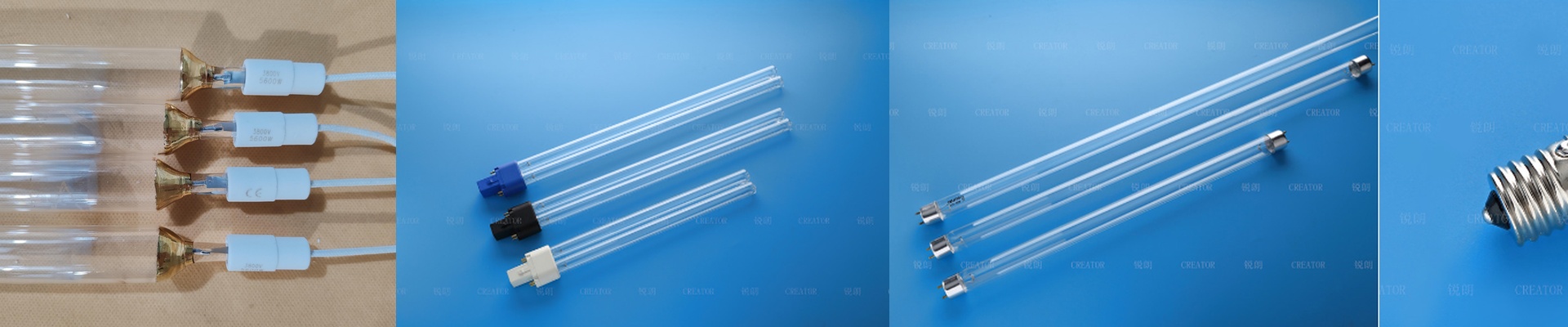
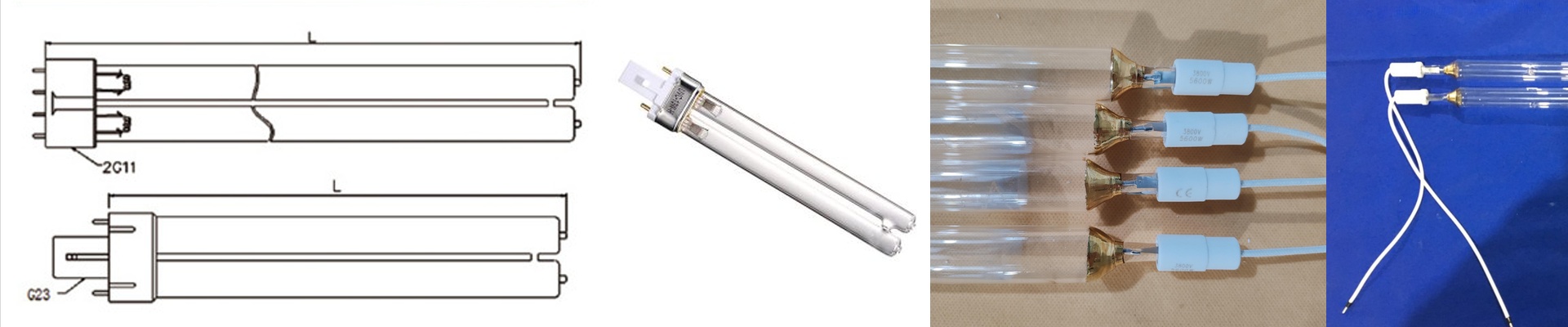
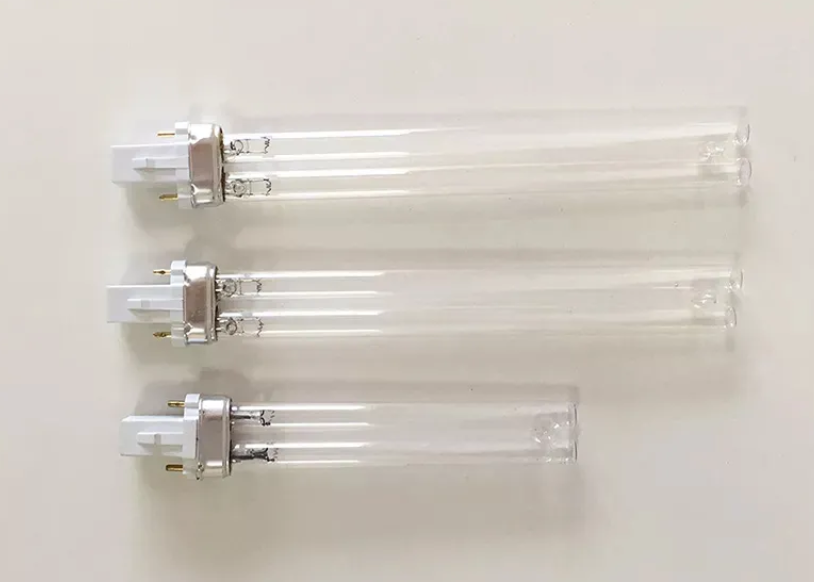
Most of us can’t just stop production for a week to rebuild a curing oven. It’s just not realistic. So, we build our lamps as drop-in replacements. We match your exact length, your pin configuration, and your electrode spacing. Even the thickness of the quartz sleeve is dialed in to your specs. It makes the install a breeze. You wire it up, flip the switch, and get back to work. Simple.
The Truth About “Cheap” Lamps
You’ll see generic, bargain-bin lamps everywhere. They look fine at first, but then the wavelength starts to drift after a few hundred hours. Suddenly, your quality dips and you’re wondering why. We use high-purity quartz to keep that output steady. Yeah, you might pay a little more upfront than you would for the absolute cheapest option on the market. But you aren’t paying for a brand name—you’re paying to avoid the downtime and the stress of a tube failing mid-job. Plus, we give you the technical specs you need. That way, you can actually track how your lamps are wearing down and swap them out before you start seeing streaks on your prints.