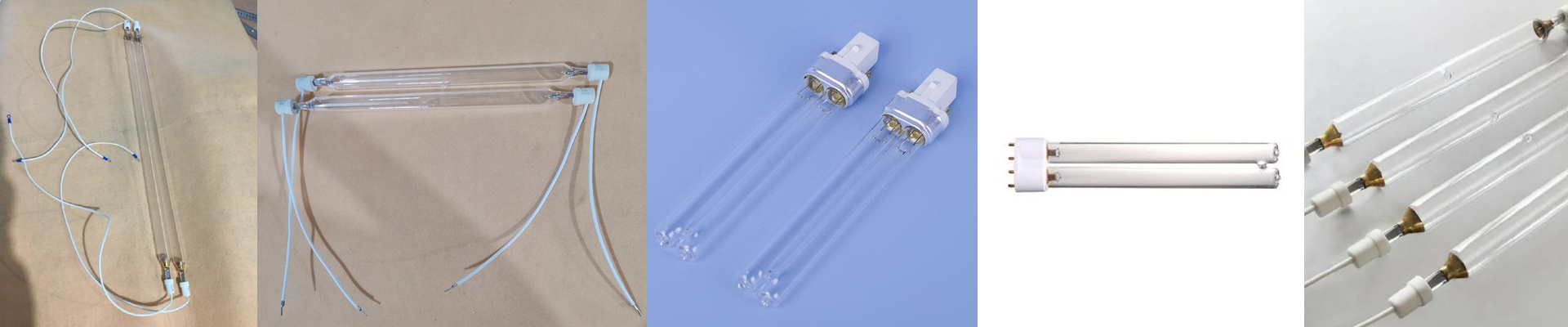
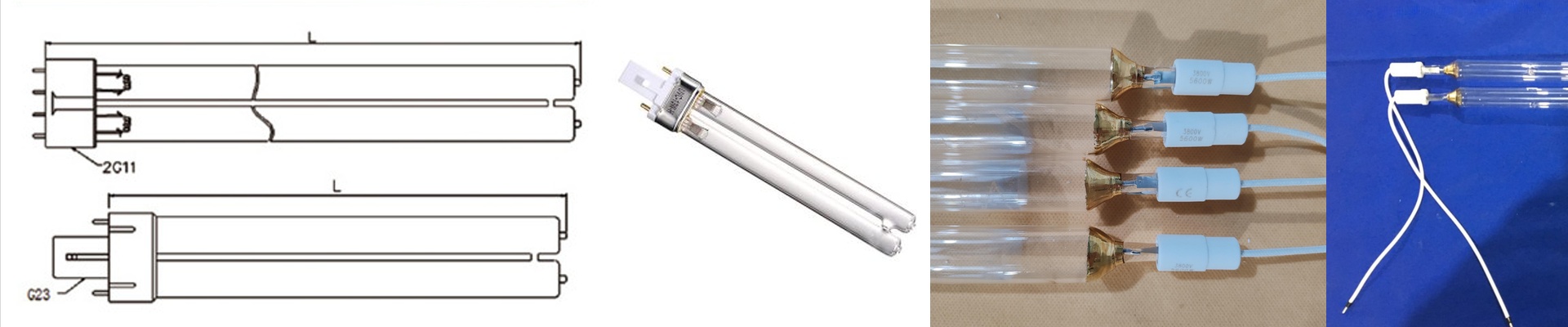
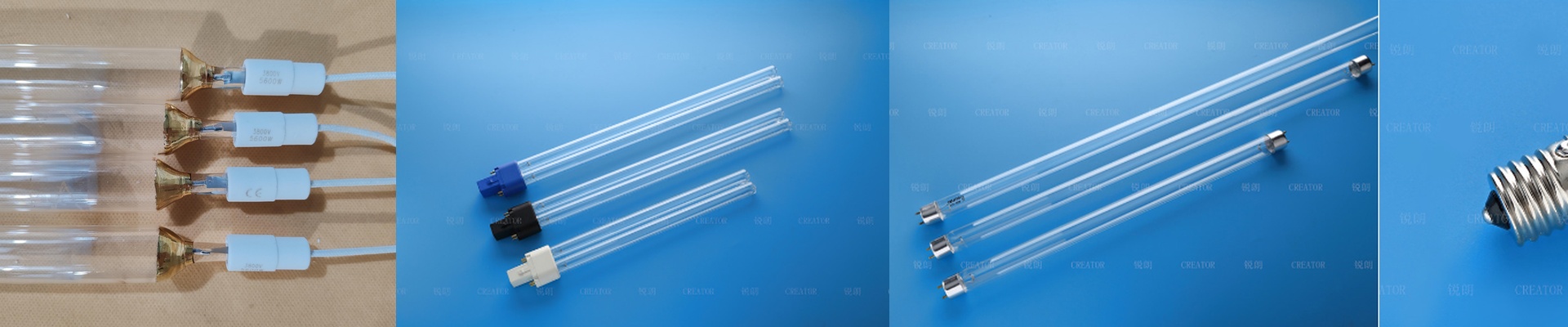
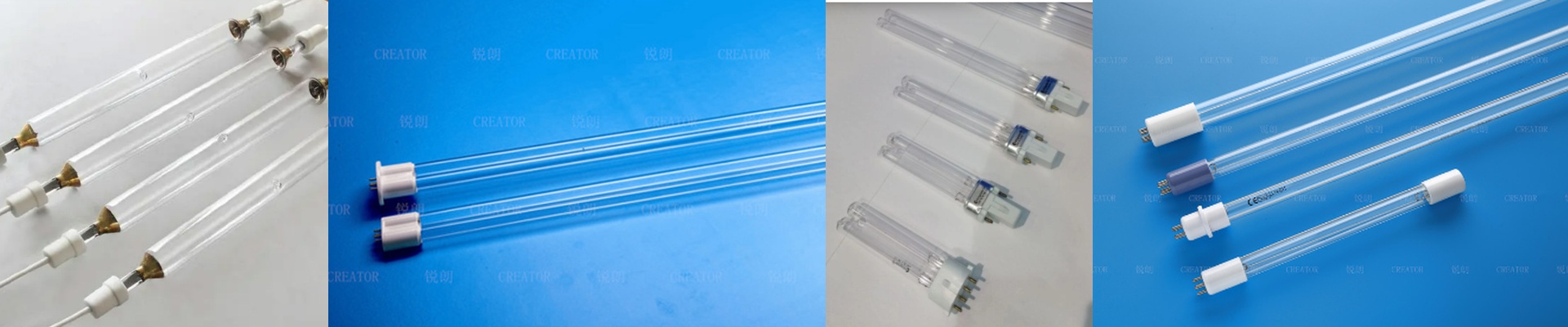
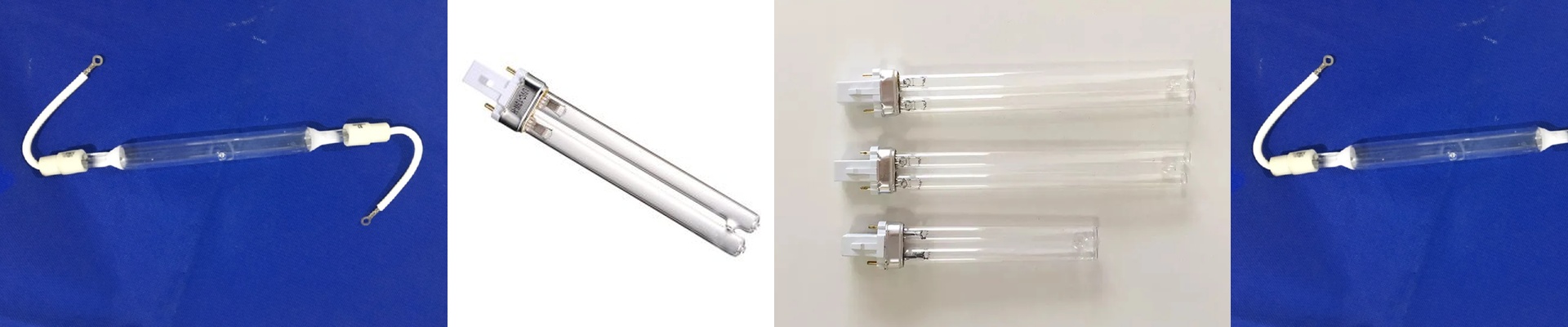
On pet-product lines, hygiene claims only hold water when the disinfection step is repeatable, measurable, and fits high-throughput manufacturing. If your UVC dose is weak or drifting, you’re inviting microbial variability, rework, and returns—especially on collars, feeders, and bedding, where surface chemistry and material heat tolerance narrow your options. What matters, technically We run a gallium iodide UV lamp at 5 kW, 400 V, built for stable germicidal output with a spectral profile that’s tuned for DNA/RNA absorption. The gallium iodide doping pushes the dominant emission into the UVC band, so you get effective microbial inactivation at lower total lamp power compared to broad-spectrum mercury sources. The 5 kW rating delivers high peak irradiance, which buys you short dwell times, and the 400 V supply drops straight into standard industrial electrical layouts. Expect consistent output along the arc length, tight control at the junction temperature, and a reflector system that focuses fluence on the target surface instead of dumping energy as heat. Why this works on the floor Pet-product makers add a safety-forward UVC step to differentiate and meet rising hygiene expectations. With this lamp, you can push line speeds higher while still holding a defined microbial reduction, because the dose stays repeatable shift after shift. The focused UVC output handles surface disinfection on complex geometries without leaning on chemical residues, and the 5 kW/400 V platform lowers current draw per station, which simplifies load planning when you’re running multiple lamps. **The short version?**You end up with a hygiene step that’s production-ready: measurable, auditable, and scalable. Here’s what to watch UVC systems are sensitive—surface cleanliness and alignment matter. Dust on reflectors and lamp fouling will cut delivered irradiance faster than the lamp’s intrinsic depreciation curve. Build in routine maintenance: clean reflectors, and verify lamp output with a calibrated radiometer. Also confirm your conveyor, shielding, and safety interlocks match the lamp’s operating envelope. Ozone-free variants are available, but proper ventilation and interlocks are non-negotiable for operator safety.
반려동물 제품 라인에서 위생 관련 주장은 소독 단계가 반복 가능하고, 측정 가능하며, 고속 처리 제조에 적합할 때만 신뢰받을 수 있다. UVC 조사량이 약하거나 변동할 경우, 특히 겉면 화학 구조와 재료의 내열성 제한으로 선택지가 좁은 목걸이, 먹이통, 침구류에서 미생물 변이, 재작업, 반품 리스크가 증가한다.
기술적으로 중요한 점
안정적인 살균 출력과 DNA/RNA 흡수에 최적화된 스펙트럼 프로파일을 갖춘 5 kW, 400 V 갈륨 아이오다이드 UV 램프를 사용한다. 갈륨 아이오다이드 도핑으로 방출 스펙트럼이 UVC 대역으로 이동해, 광범위 수은 램프 대비 낮은 총 램프 전력으로도 효과적인 미생물 비활성화를 달성한다. 5 kW 등급은 높은 최대 조사도(irradiance)를 제공하여 짧은 체류 시간 운영이 가능하며, 400 V 전압은 표준 산업용 전기 설비에 직접 연결 가능하다.
호(arc) 길이 전반에 걸쳐 일관된 출력, 접합부 온도 엄격 제어, 그리고 반사판 시스템은 에너지를 열로 손실하지 않고 조사광을 목표면에 집중시킨다.
현장 적용 효과
반려동물 제품 제조사는 안전성을 강화한 UVC 단계를 도입해 차별화하고 위생 기준 상승에 대응한다. 이 램프를 사용하면 조사량이 매 교대마다 반복 가능해 미생물 감소 효과를 일정하게 유지하면서도 라인 속도를 높일 수 있다. 집중된 UVC 출력은 복잡한 형상의 표면 소독을 화학 잔류물 의존 없이 처리하며, 5 kW/400 V 플랫폼은 개별 스테이션 당 전류 소비를 낮춰 다수 램프 운용 시 부하 계획을 단순화한다.
요약하면?
측정 가능하고 감사 가능하며 확장 가능한 생산 현장 적용용 위생 공정을 확보할 수 있다.
주의할 점
UVC 시스템은 표면 청결과 정렬에 민감하다. 반사판의 먼지 누적과 램프 오염은 램프 자체 노후보다 조사광 감소 속도가 빠르므로, 정기적인 유지보수가 필수적이다: 반사판 청소, 교정된 광량계로 램프 출력 검증을 수행해야 한다.
컨베이어, 차폐, 안전 인터록이 램프의 운용 범위에 적합한지 반드시 확인해야 한다. 오존 무발생 모델도 있으나, 작업자 안전을 위해 적절한 환기와 인터록 설치는 필수이다.