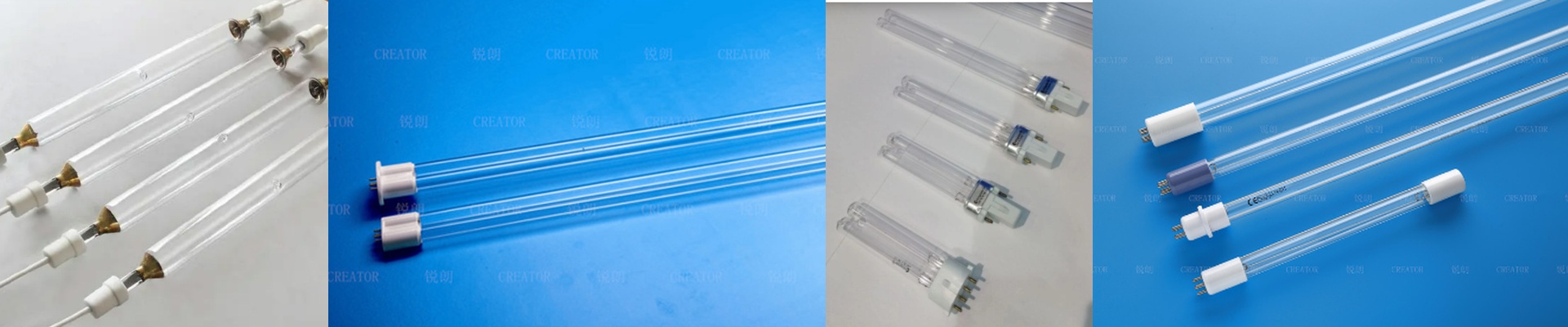
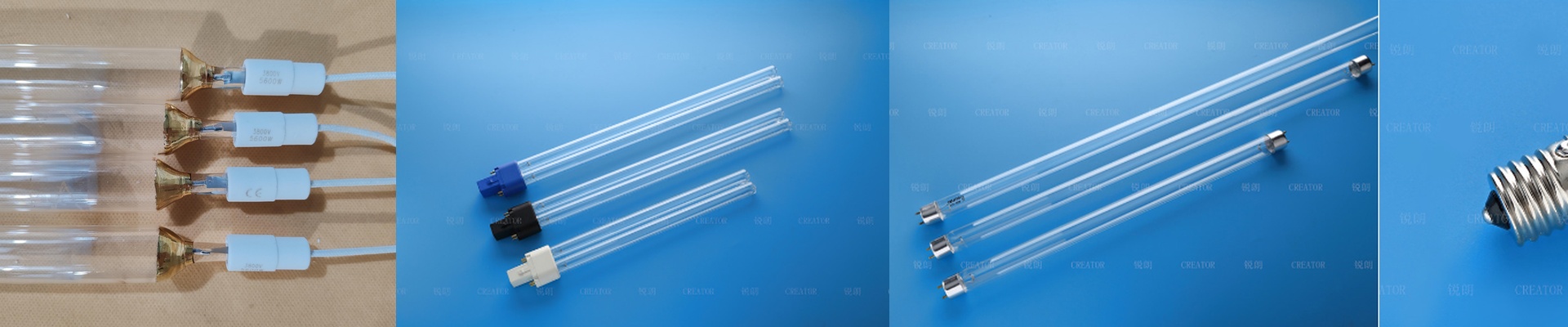
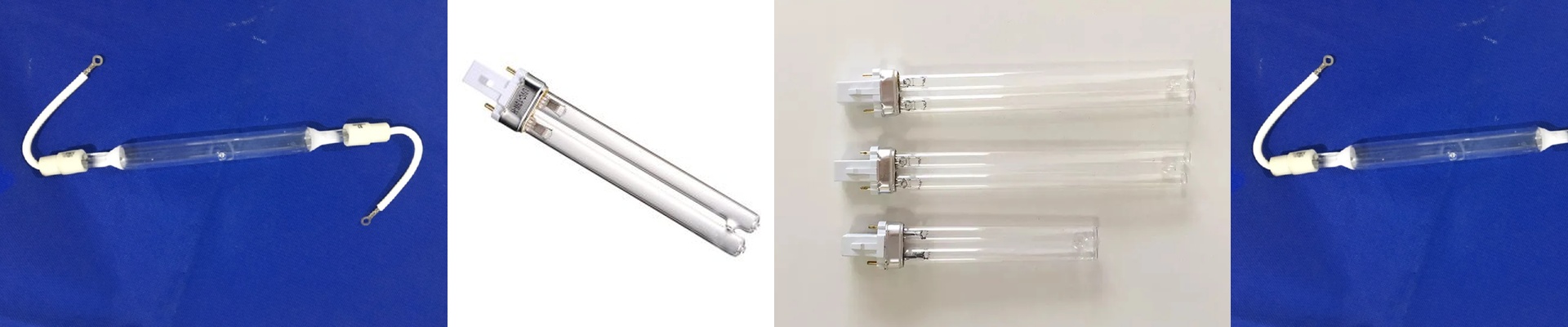
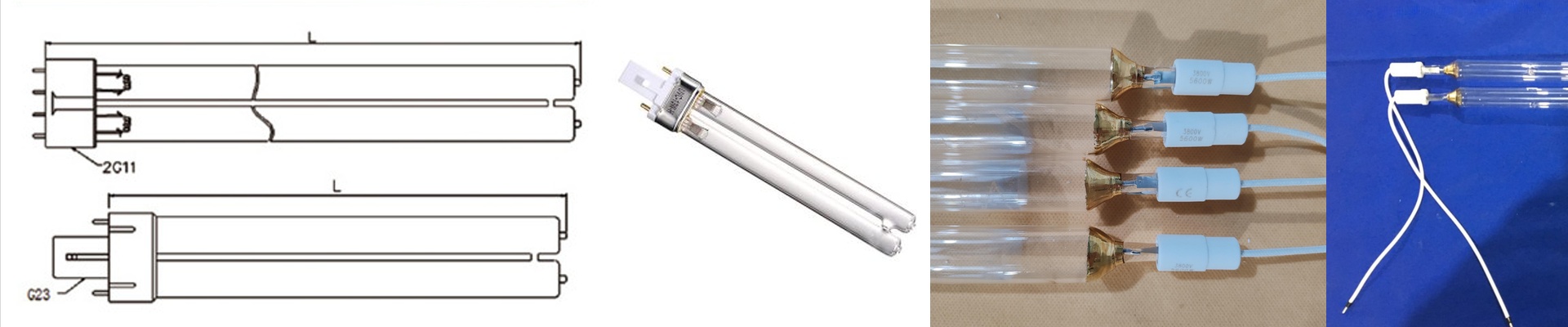
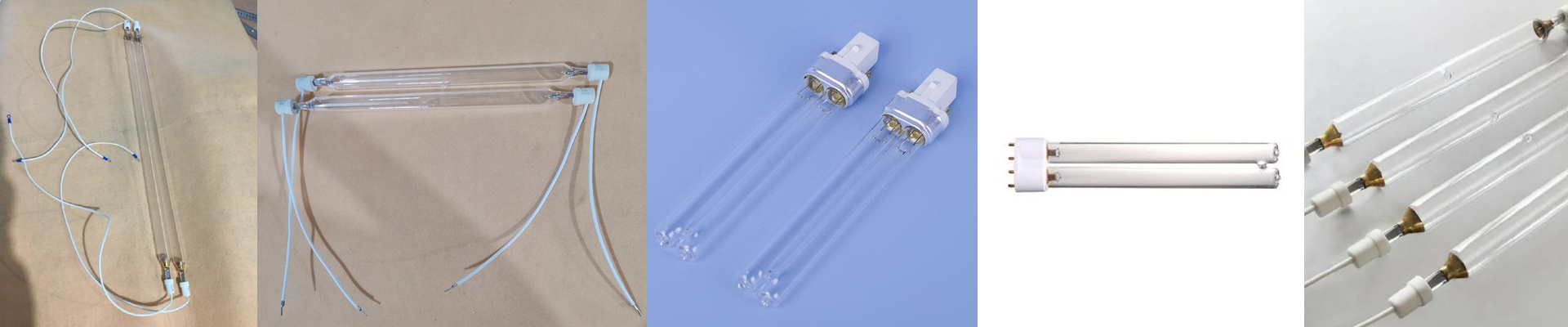
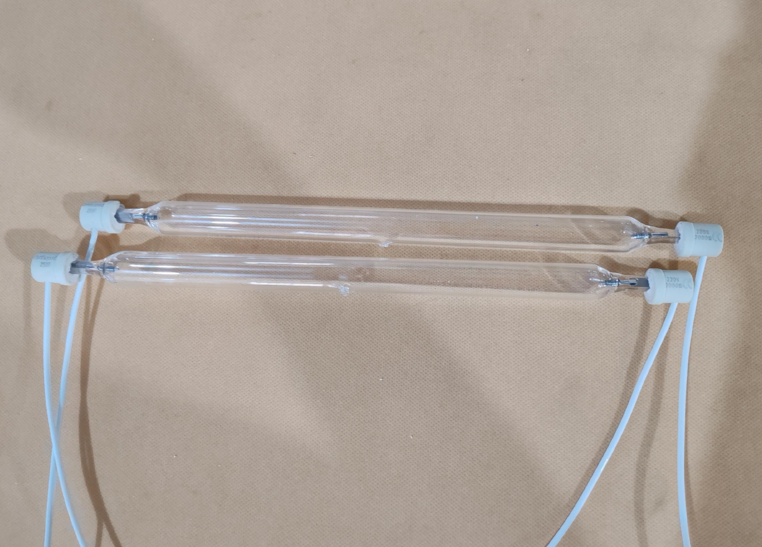
On a flexo label press, UV curing doesn’t fail with a bang. It fails with a whisper—dot gain creeping in, edges feathering, colors drifting. When your UV lamp can’t hold steady spectral output and peak irradiance across the web, the ink cures unevenly and the print turns soft. We designed our high-stability lamps to stop that drift before it shows up on the sheet.
What matters under the hood
This is a mercury vapor lamp system built for repeatable curing, not a broad-spectrum catch-all. The output is centered at 365 nm to match standard photoinitiator absorption, and it delivers stable peak irradiance at the substrate surface—measured with a spectral radiometer, not guessed from lamp power. A dichroic-coated reflector keeps the spectral band tight and the energy profile uniform across the cure window. So the same energy density (mJ/cm²) hits the ink whether you’re running 100 m/min or 300 m/min. Closed-loop power regulation keeps lamp output on target. The arc length and electrode thermal design are chosen to flatten the degradation curve—the kind that gives you “invisible” drift that shows up only as inconsistent cure.
Why this plays in flexo
On a label press, the cure happens right at the exit, while the ink is still wet and the substrate can be thin and heat-sensitive. If irradiance varies, the cross-linking chemistry gets inconsistent. The surface polymerizes fast while the base stays uncured, and you get smearing and halation around fine text and reversed elements. Our lamp holds energy density within tight tolerance over the full dwell time, so the photoinitiators decompose predictably and the ink cures through, bottom to top. The payoff is sharp halftones, clean solids, and density that holds job-to-job—without throttling the press to compensate for cure swings.
What to watch on the floor
These lamps drop into typical flexo UV curing modules, but they need matched reflectors and the right airflow. Drop below rated airflow and electrode temperature climbs, shifting the spectral balance. Crank the airflow too hard and vibration can knock reflector alignment off. Plan on a finite lamp life. We aim for stable output over thousands of hours, but schedule replacements around measured irradiance, not a calendar. For the best results, confirm your ink’s photoinitiator window, check reflector alignment with a beam profile, and keep the cure window clean. Dust on the reflector scatters energy and gives you edge non-uniformity you’ll see in the print.