
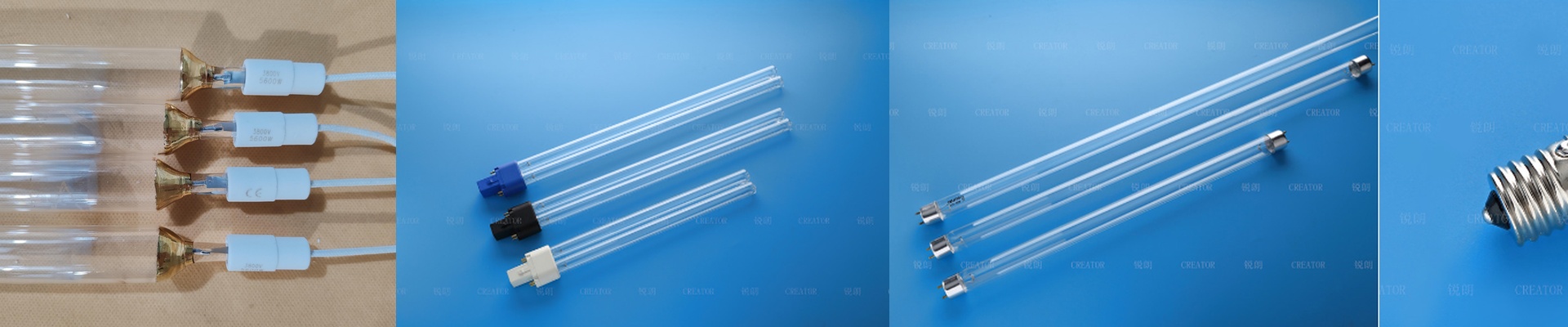
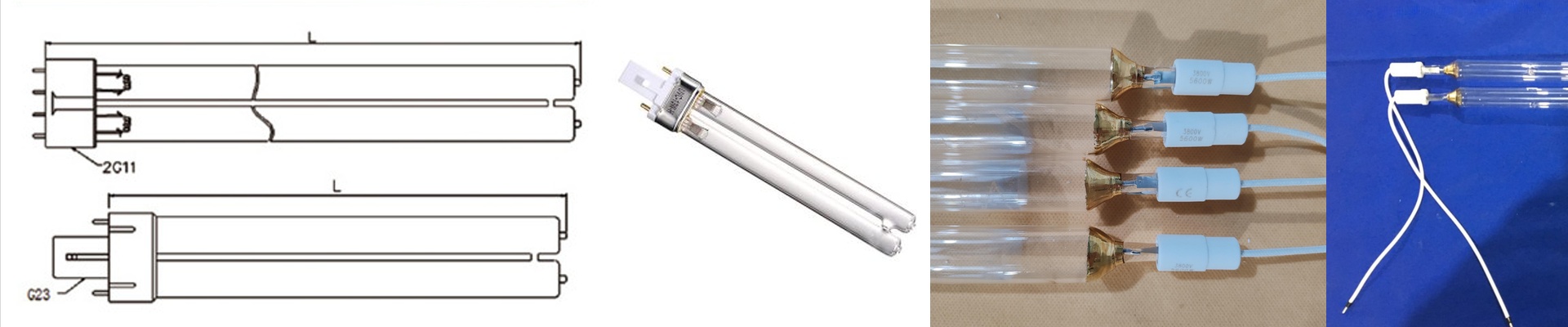


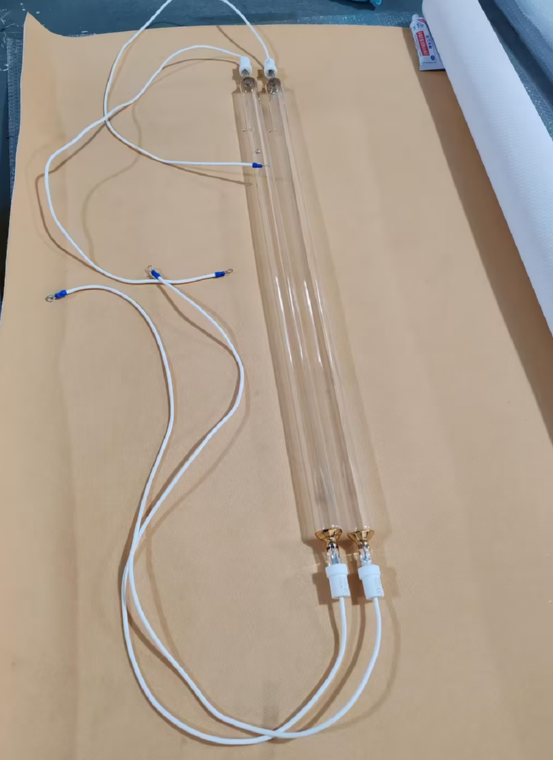
Getting the Most Out of 120W/cm Mercury UV Lamps
If you’re working with 120W/cm mercury UV lamps, you know they’re built for one thing: speed. We design these to hit your materials with a heavy, consistent dose of power from one end of the tube to the other. Why does that matter? Because nobody wants to deal with “soft spots” where the cure didn’t take, or worse, seeing the surface of your substrate start to scorch because the heat pooled in one place.
The reality of high power density
Pushing 120W per centimeter creates a massive amount of heat. It’s intense. To handle that without the tube warping or blocking the light, we use high-purity quartz. Inside, the mercury vapor ionizes to give you those UVC and UVB wavelengths you need. But here’s the thing: your power supply has to be rock solid. If your voltage flickers, your output swings. That means your cure speed drops, your line slows down, and suddenly your whole schedule is off.
The “CE” label isn’t just paperwork
You’ll see a lot of suppliers treat CE certification like a box they just need to check. We don’t. To us, it’s about whether the lamp actually plays nice with the rest of your gear. Think about your shop floor. If you drop in a non-certified lamp, it can leak electromagnetic noise into your grid. That noise messes with PLC controllers and sensor arrays. One minute everything is fine, and the next, your machine shuts down for no apparent reason. CE certification is basically our way of promising that the lamp won’t freak out your electronics.
The trade-off: Heat
You can’t have this much power without some heat. Along with the UV light, these lamps throw off a lot of infrared energy. You absolutely need a cooling system that can keep up. If your airflow is weak, the quartz envelope overheats. That doesn’t just kill the lamp’s lifespan—it can actually burn the tube out way before its time. Keep your cooling in sync with your wattage. It’s the only way to keep the lamp running in that sweet spot where it performs best.