Getting the Power Right
When we build power supplies and ballasts for UV lamps, we’re thinking straight about the brutal electrical demands of industrial halogen lamps. To light up a 300mm, 2500W tube, you need a solid 400V high-voltage kick to start the arc—and keep it alive. Then the ballast steps in to tame the lamp’s negative resistance. Without that, the current would race away and fry the filament in a heartbeat. So yeah, matching the ballast to the wattage isn’t optional. Get it wrong, and the lamp doesn’t just underperform—it dies early.
The Materials and Connections That Matter
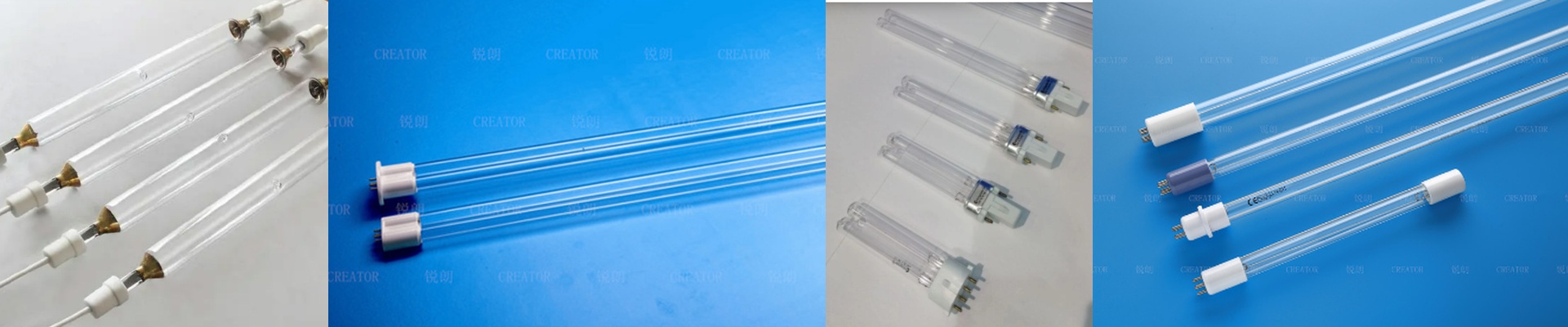
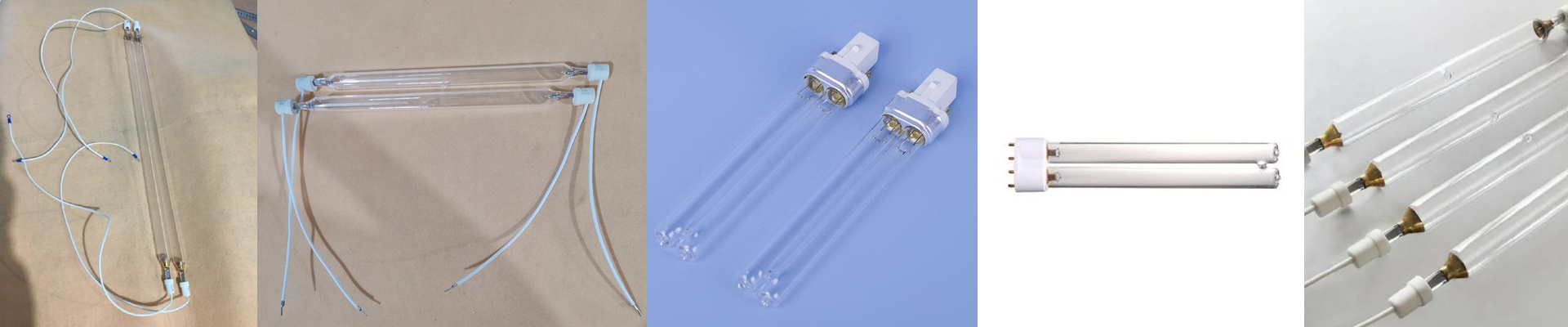
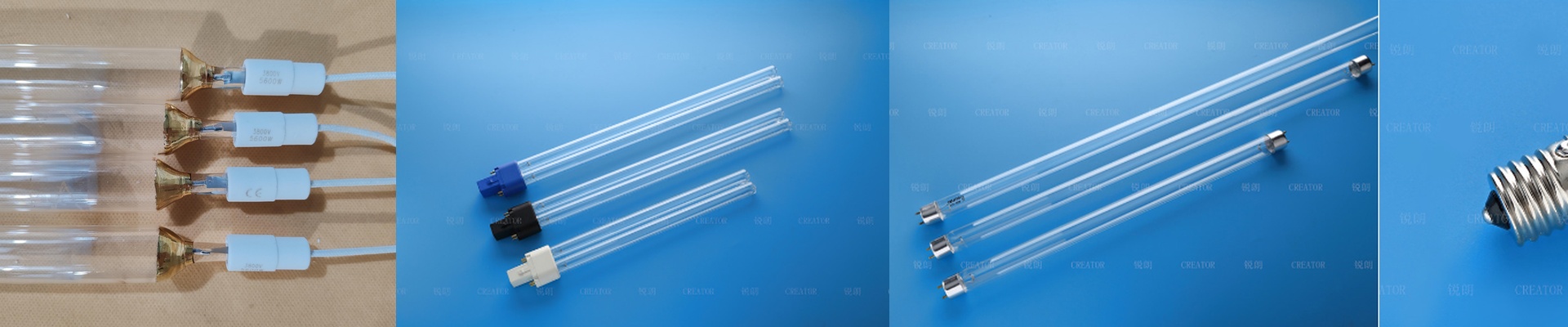
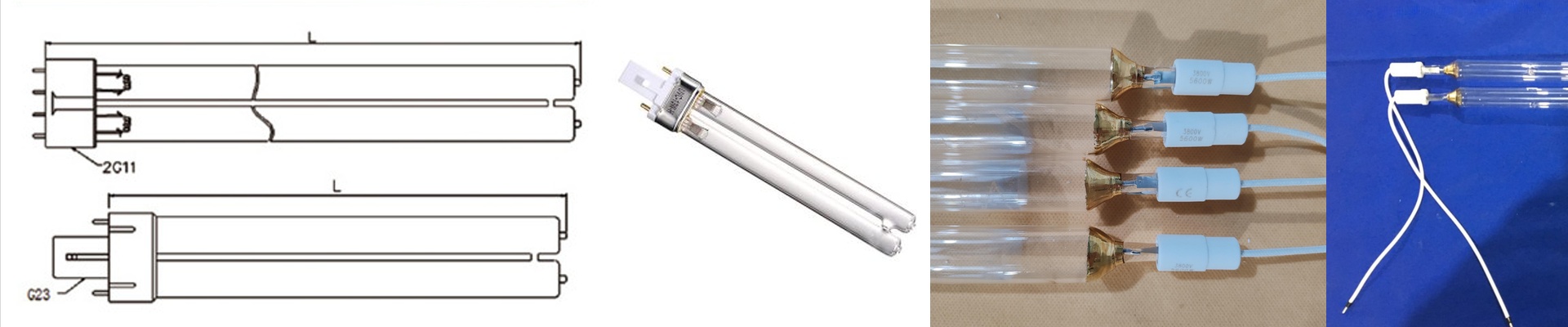
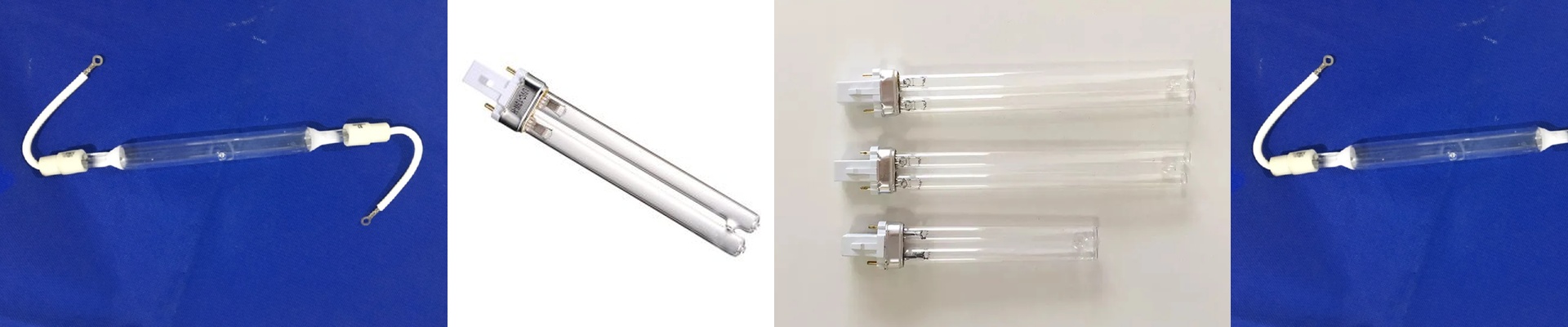
The quartz envelope is filled with halogen, which keeps the filament clean and helps the whole thing last longer. Inside, the coating is tuned to filter the UV bands you want while staying steady under serious heat. And the R7s connector? It’s the standard for this shape for a reason. It locks in with a rigid, two-point contact that handles high current cleanly—no arcing. The whole design drops right in where legacy fixtures lived, so you don’t have to rework your setup just to move forward.
Where It Shines—And What It Asks Back
In industrial heating, this setup throws down intense, instant-on heat—perfect for jobs like PET blowing or curing. That 2500W power density is serious, so your machine’s cooling has to be up to the task. You’re going to feel the ambient temperature rise, and it needs a plan. We build these units for the shop floor, so they can take the shake, rattle, and heat of running cycle after cycle. The trade-off is real: you can’t run this without a strong thermal strategy. Plan for the heat, and this system just keeps going.