Introduction
You know that feeling when your old press starts to lag? It’s not that the machine is broken—it’s just that the original UV lamp can’t keep up with what modern inks need. So we built a dimmable UV curing lamp to bring that pep back. It’s a straight-up, drop-in upgrade for your existing setup. Run it wide open for those high-speed jobs, then just dial it back when you’re working with delicate, heat-sensitive materials.
The Good Stuff: Power, Voltage, and Size
Here’s the heart of it: a dimmable 2500W lamp, engineered for 400V input. That gives you a rock-solid arc, even with long cable runs—no worrying about the power dipping. The 300mm tube is just the right length, too. It gives you a tight, focused curing footprint that lines up with most press widths. So you get serious power without needing to overhaul the reflector bay. But here’s the catch—that kind of power density means your power supply and cooling have to be up to the task. If your cooling is a bit on the small side, you’ll run into thermal limits if you push the top end for too long.
Built to Last: Materials and Design
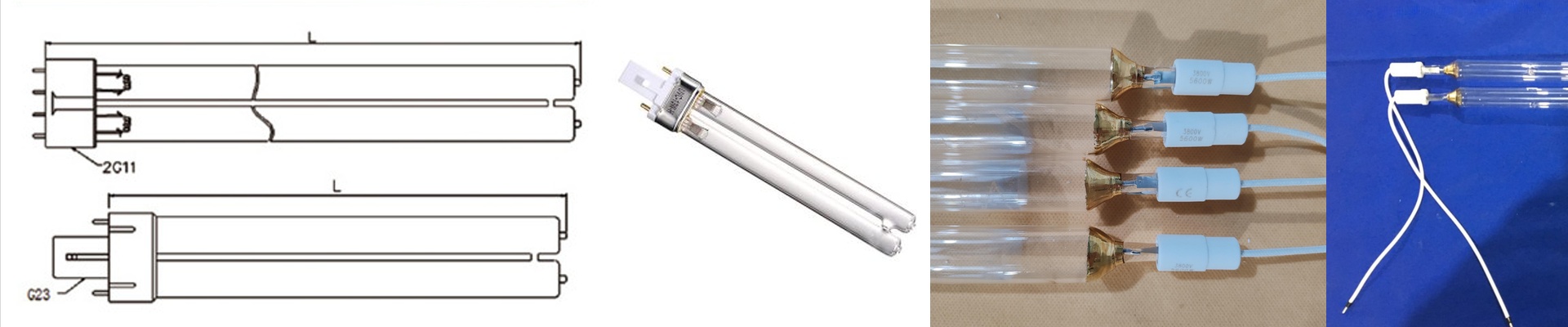
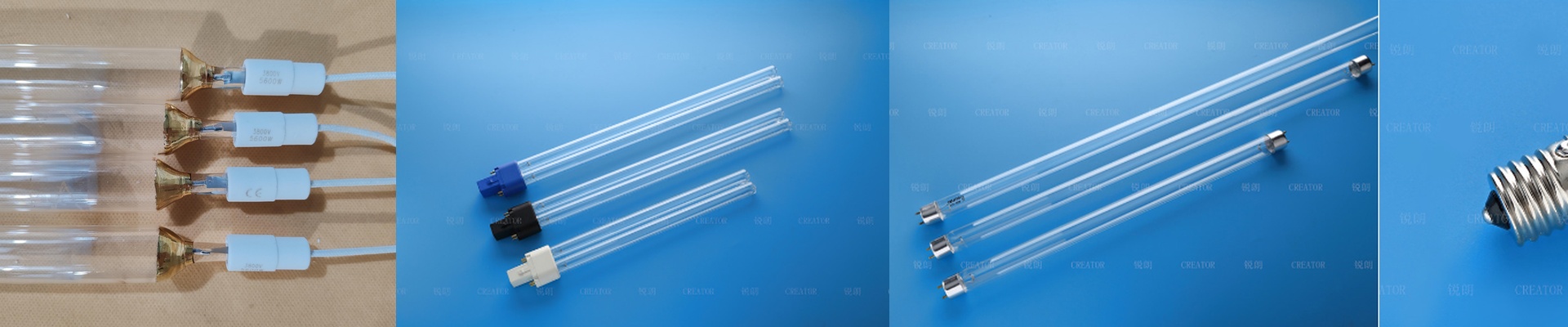
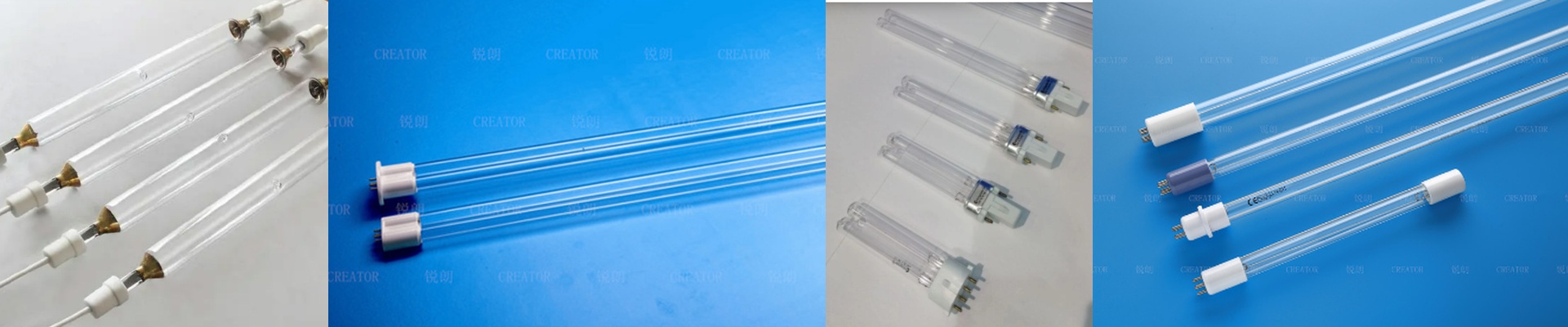
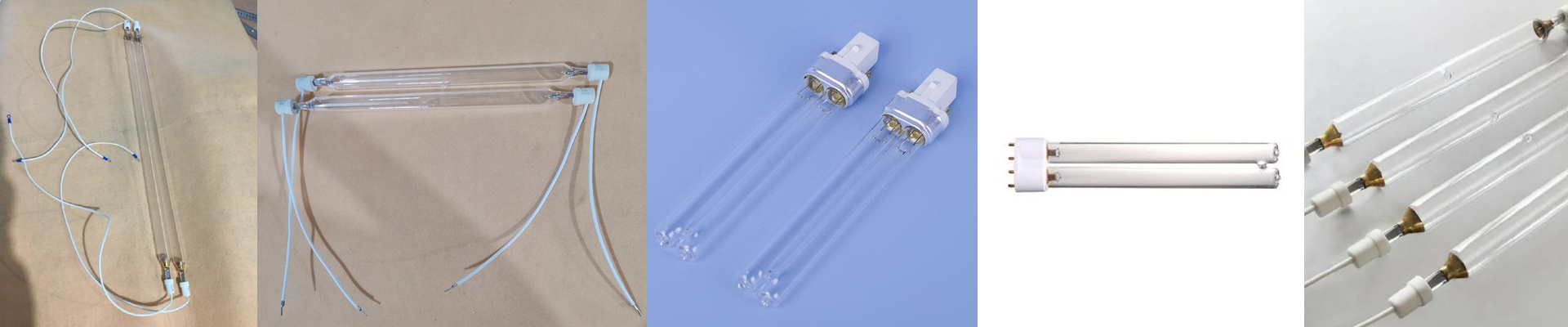
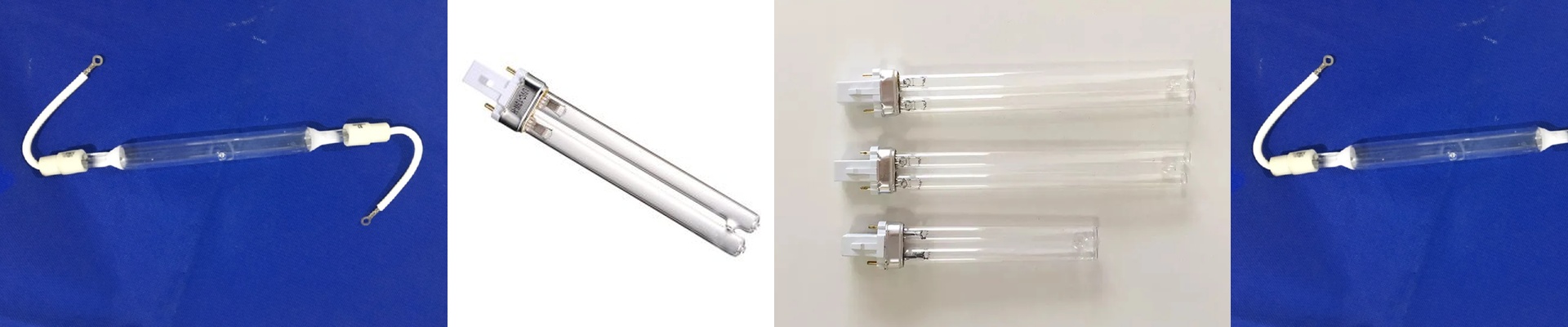
We use coated quartz. It does two important jobs: it shapes the UV spectrum just right, and it protects the tube from ozone and heat stress. The coating keeps the UV output steady over the life of the tube, so you get consistent curing from one job to the next. And for the connectors? We went with R7s. They handle high current with a simple, tough design. Installation is a breeze—just line up the pins, lock it in place, and wire it up. It’s built to take the daily grind of the shop floor and still fire up, shift after shift.
Giving Your Old Machine a New Lease on Life
On an aging press, the real bottleneck is often the lamp itself. It just can’t match the newer inks and materials. With our dimmable UV lamp, you’re back in control. Crank up the power for standard jobs, then ease it off for thin films or anything that can’t take the heat. It means less scrap, a more stable cure, and the ability to push your line right up to the press’s mechanical limits. It’s a practical way to get more life out of the equipment you already own—and get it performing like it should.