Introduction
Let’s talk about the Dymax UV spot curing lamp. It’s a specialized tool, yes, but in a busy printing plant, it’s the heartbeat of the operation. When this thing works, everything hums along. When it fails? The whole line grinds to a halt. So the real goal here isn’t just to fix things when they break. It’s to get ahead of the problem. To move from panic replacements to a system that actually tells you what’s coming.
The Power Behind the Curing
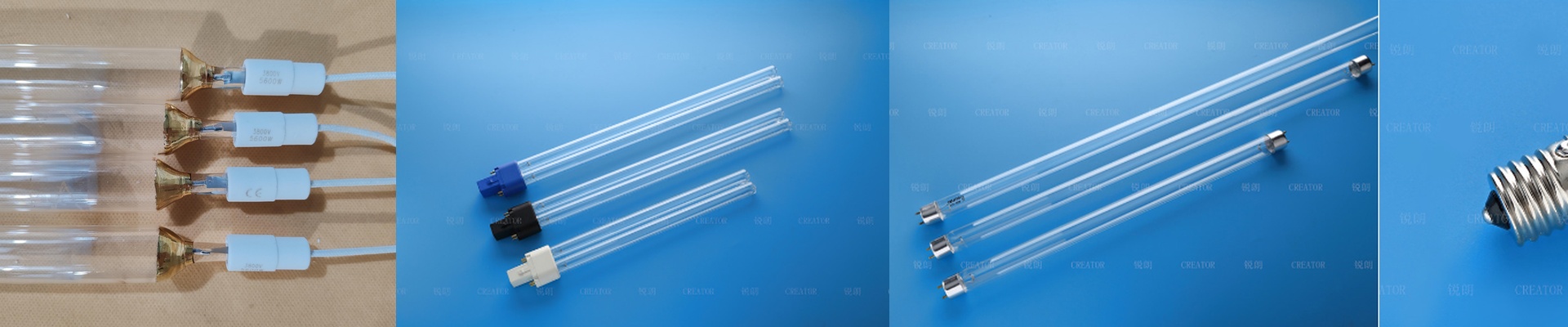
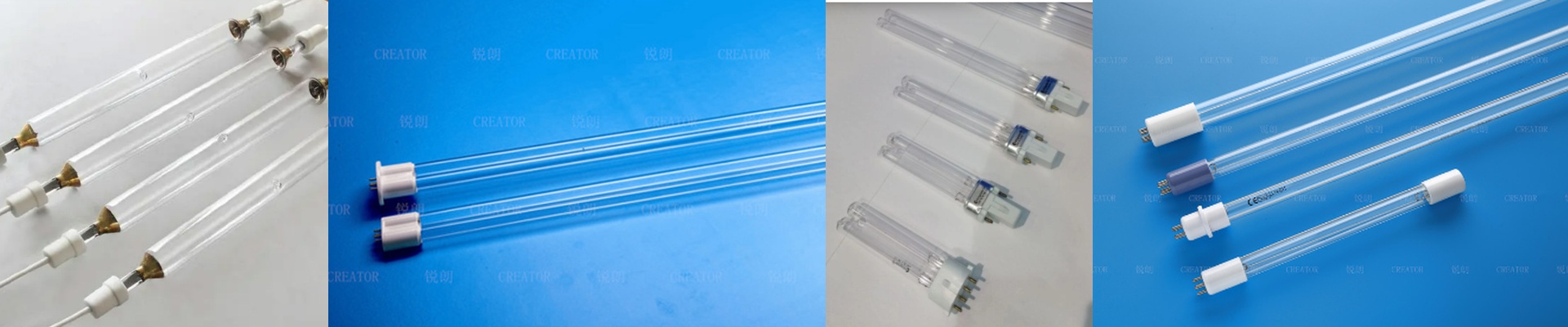
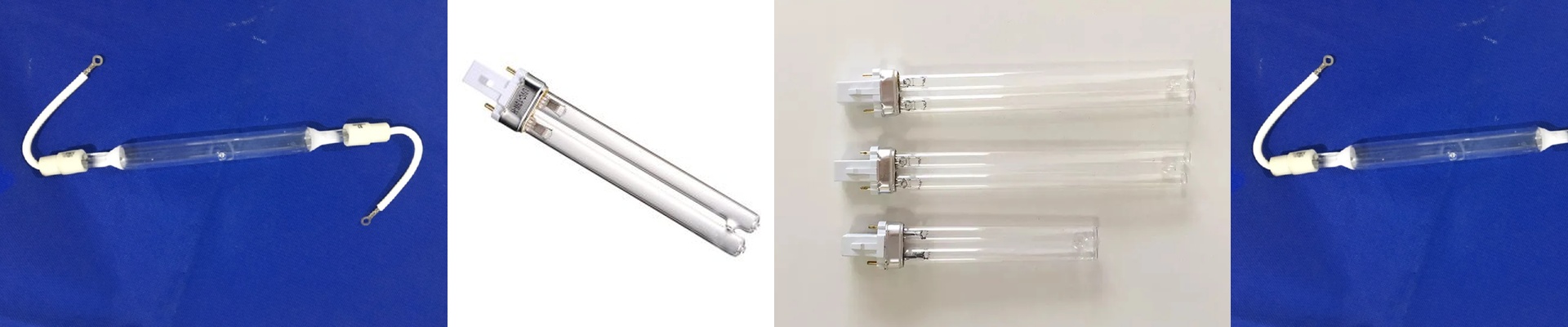
Here’s the thing about the Dymax lamp: it’s a tiny powerhouse. It packs a serious punch into a small package, blasting out concentrated UV energy that cures inks and adhesives in seconds. To pull that off, it needs a solid power source—we’re talking high voltage to fire up the arc inside the bulb. And because it’s meant to fit into cramped machine spaces, the design is intentionally compact. That’s also why getting the replacement spec exactly right is so critical. There’s no room for error.
What It’s Built From, and Why
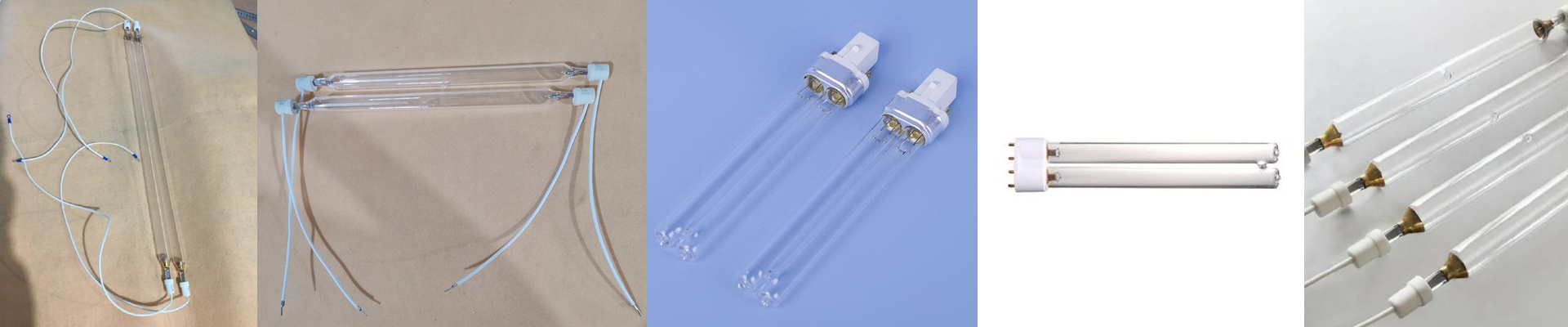
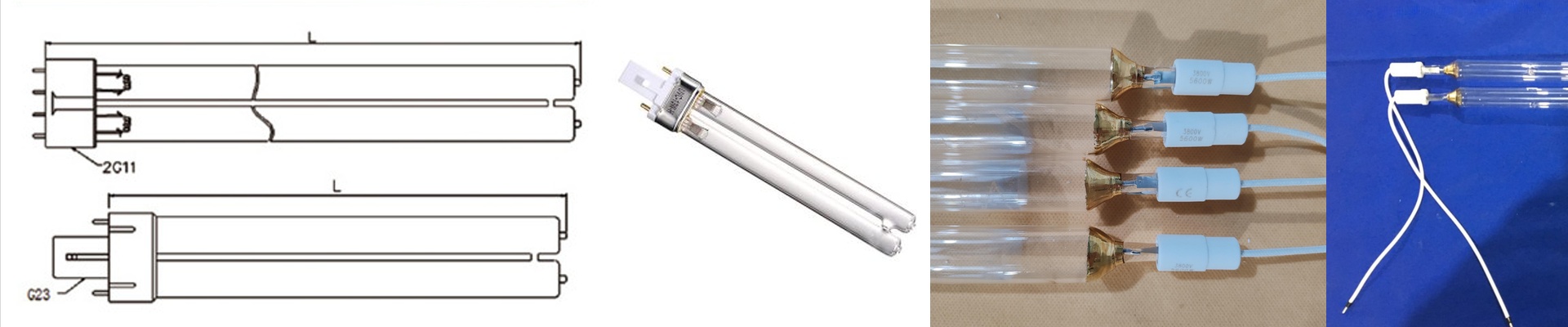
The lamp’s built around a high-purity quartz envelope. This isn’t your average glass—it’s made to handle the intense heat of the arc without cracking. Inside, the quartz is often coated to focus the UV output on just the right wavelength for the job. And the R7s connector? It’s the industry standard for a reason. It gives you a secure, two-contact connection that can handle high current without overheating. But there’s a trade-off. All that power creates a lot of waste heat. That means the machine it’s in needs a decent cooling system. Otherwise, the lamp will burn out way too soon.
Keeping Your Line Running
On the plant floor, this lamp cures UV inks on demand. Its reliability is what keeps your throughput steady. Instead of waiting for the lamp to burn out and throw your schedule into chaos, you track its life. Keep a simple ledger of total operating hours, how many cure cycles it’s run, and watch the voltage drop across the connector. That data gives you a clear picture of the lamp’s health. You swap it out based on its performance curve, not after a catastrophic failure. Suddenly, you’re not dealing with surprise downtime. You’re scheduling maintenance on your own terms, protecting your production schedule and your sanity.