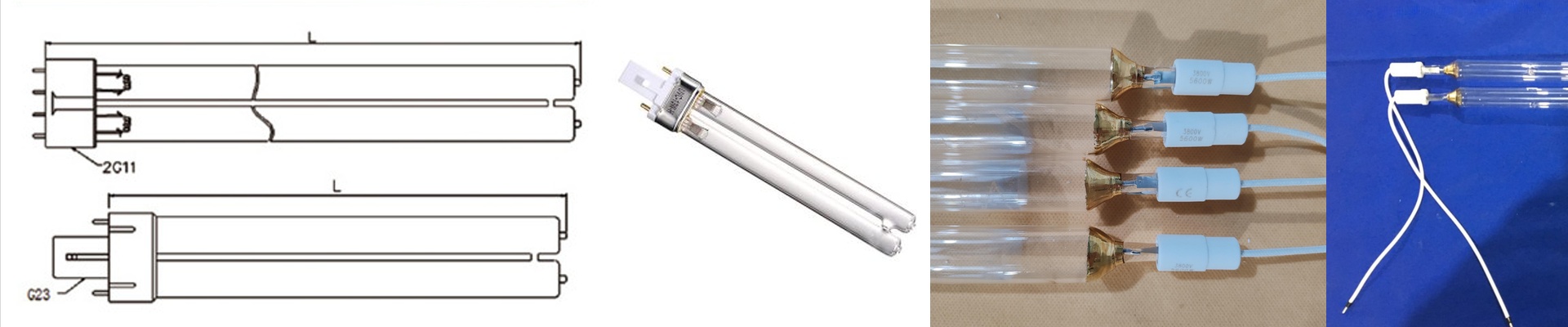
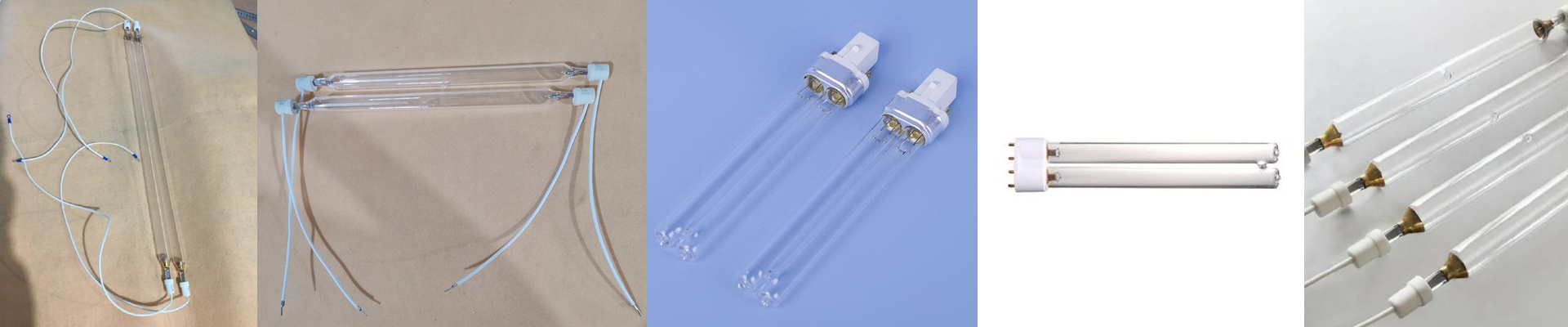
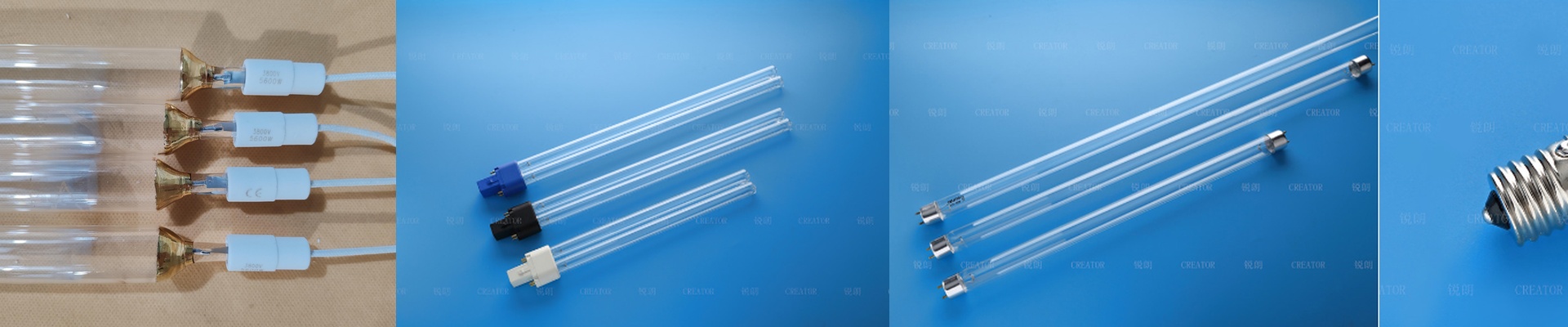
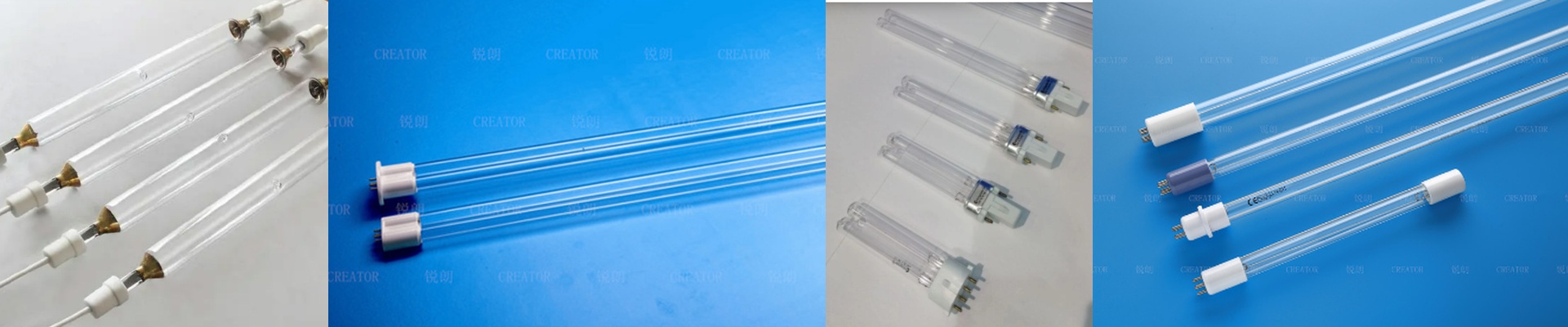
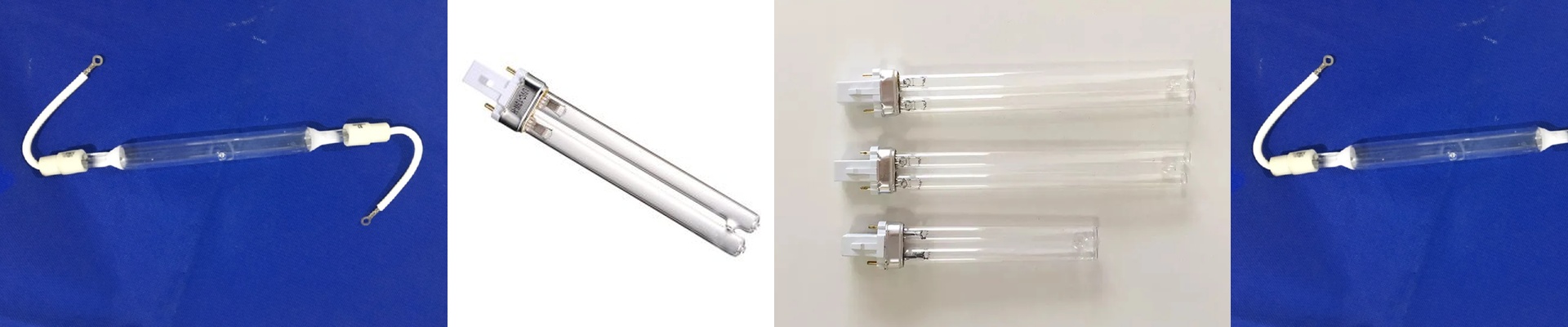
In the lab, photochemical reactors need clean, predictable spectra because photoinitiators only respond to specific wavelengths. On the platemaking floor, the same rule applies: shift the bandwidth by 10–15 nm and you’ll see dot gain change, edges soften, and cure depth move under your feet. Jobs that should be repeatable turn into troubleshooting. We built our gallium iodide lamp system to live in that reality. It holds a stable, narrow-band output so exposure becomes repeatable math, not guesswork. Here’s what actually matters: the lamp spectrum has to match the photoinitiator absorption curve. Gallium iodide concentrates energy around 365 nm with tight spectral control, so the photoinitiator absorbs efficiently and cross-linking stays uniform. You can measure the output—peak irradiance and curing energy density (mJ/cm²)—and it repeats run after run. Compared to a high-pressure mercury vapor lamp, it runs cooler, which cuts substrate heat load while keeping intensity stable. We tune reflector geometry and use dichroic coatings to preserve spectral purity, so exposure stays consistent across the plate surface. Platemaking lives and dies on repeatable exposure with minimal variation. Our gallium iodide lamp delivers that stability, which means shorter exposure cycles, tighter process windows, and fewer rejects from underexposure or spectral drift. It also pulls less energy than conventional mercury systems, and lamp life is longer—fewer replacements, less downtime. The payoff is predictable plate quality and a lower operating cost per job. A few practical notes: system performance hinges on the reflector, power supply, and optical alignment. Before installation, verify your equipment’s arc gap, connector type, and cooling capacity. Gallium iodide lamps demand precise ignition and stable ballast control. A mismatched driver can shorten lamp life and broaden the spectrum. That’s why we supply matched lamp-reflector-driver sets—so wavelength, irradiance, and curing energy density stay on spec.