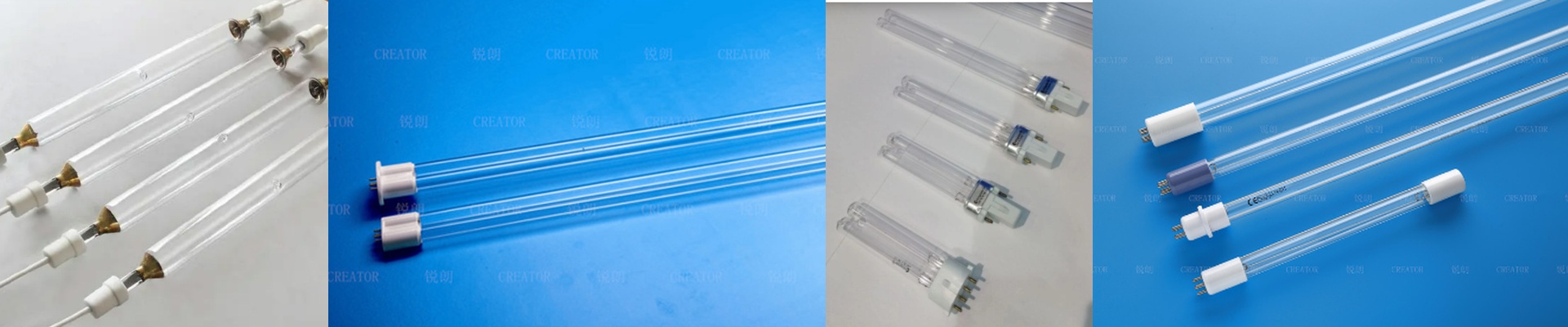
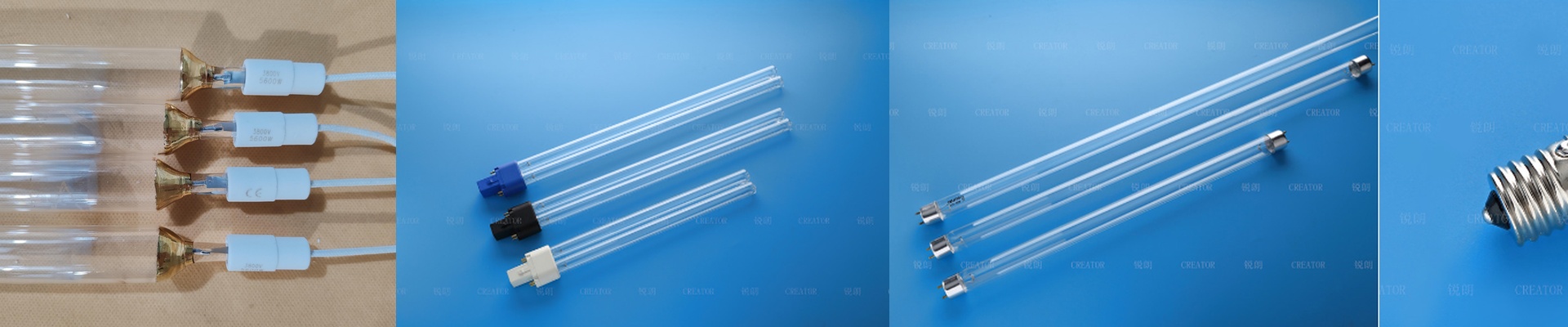
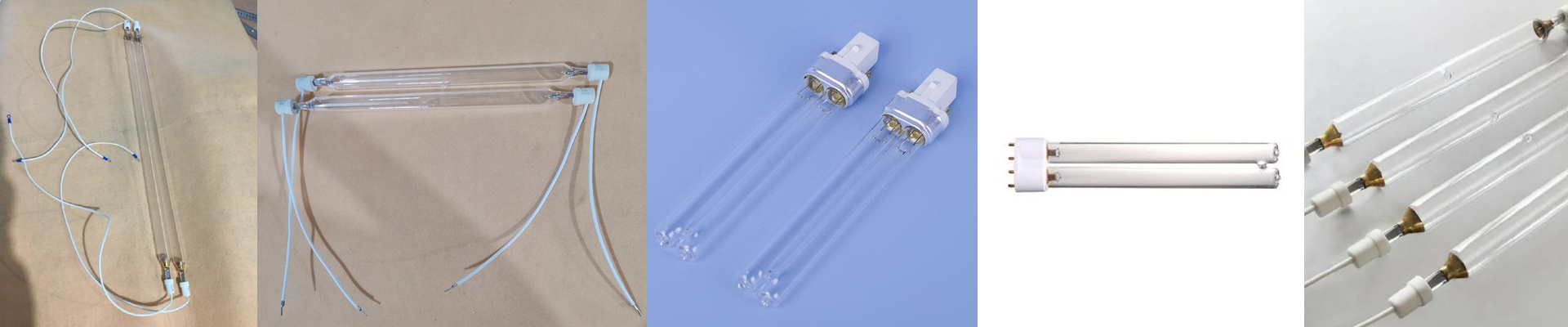
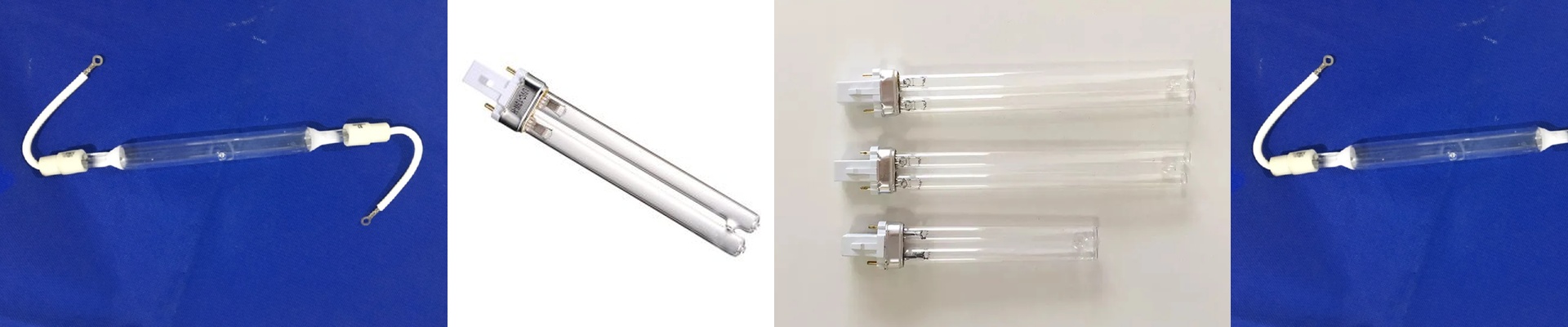
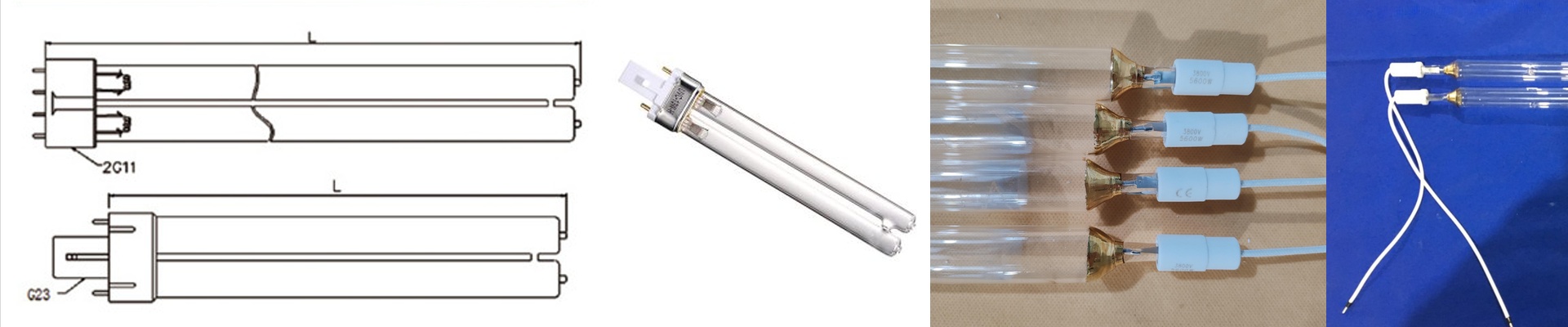
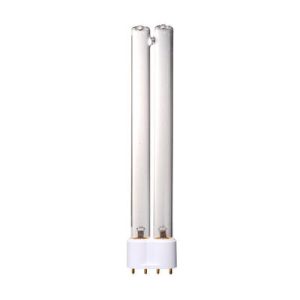
On the floor, every minute of downtime is scrap and lost throughput. When a UV lamp dies mid-run, the line stops. We built a mercury UV lamp system around a modular head that swaps out in about two minutes—no tools, no realignment, no breaking the production rhythm. What matters, technically We tune the mercury vapor discharge to hold a stable spectral output across the UVA band, with peak intensity centered at 365 nm—the wavelength that reliably activates photoinitiators in most coatings. Delivered power is matched to line speed and coating thickness, with peak irradiance up to 12 W/cm² at the focal plane and curing energy density consistently above 800 mJ/cm². The quartz envelope and dichroic-coated reflector push UV forward and keep excess IR heat from becoming a problem. It runs ozone-free, and the lamp is targeted for 5,000+ hours with controlled output decay. Why it holds up in production The quick-swap modular head turns maintenance from a multi-hour event into a two-minute job. That means better OEE, fewer line stoppages, and schedules that stay predictable. Stable spectral output and irradiance cut down on under-cured film, improve hardness and adhesion, and reduce rework. Energy use drops because the reflector system concentrates UV where it needs to be, not wasted across the spectrum. The practical details you need Installation comes down to matching the lamp module to your fixture—reflector geometry, power supply, voltage, amperage, and connector type all have to line up. For thick or pigmented coatings, check spectral response and confirm the lamp output profile supports full cross-linking at your line speed. Plan airflow up front; the lamp head needs proper cooling to hold stable junction temperatures and protect both the lamp and the reflector.