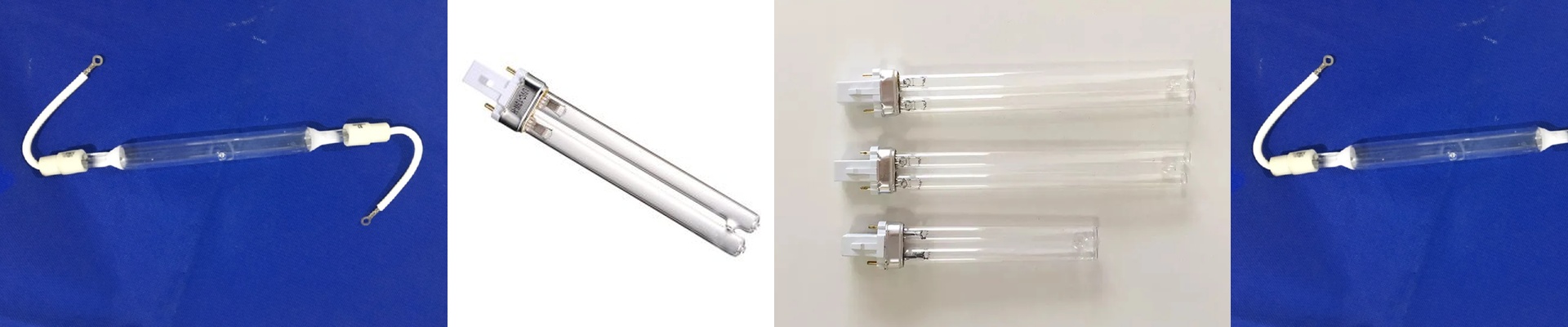
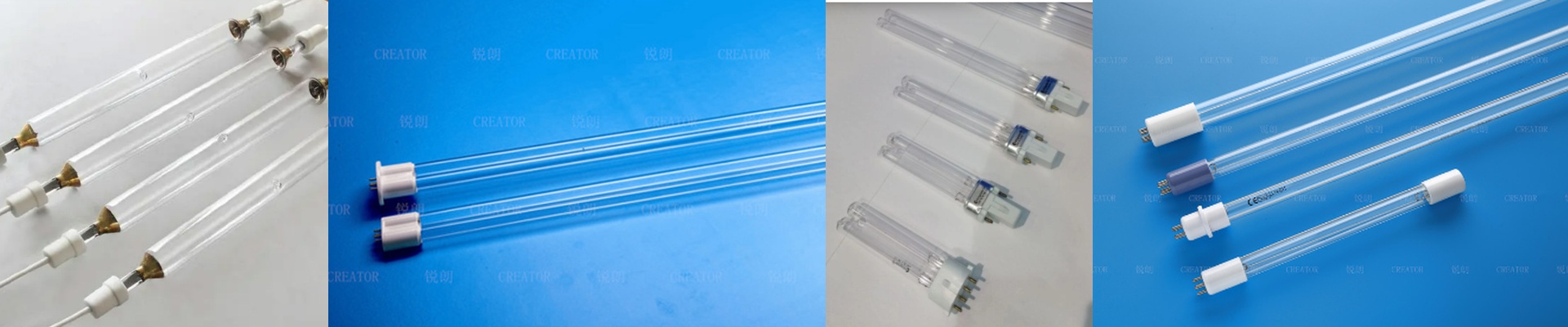
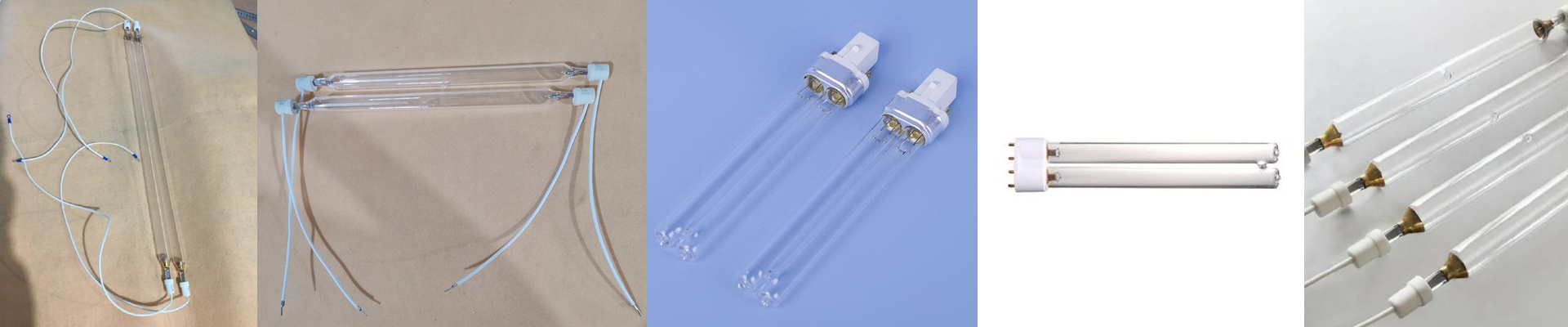
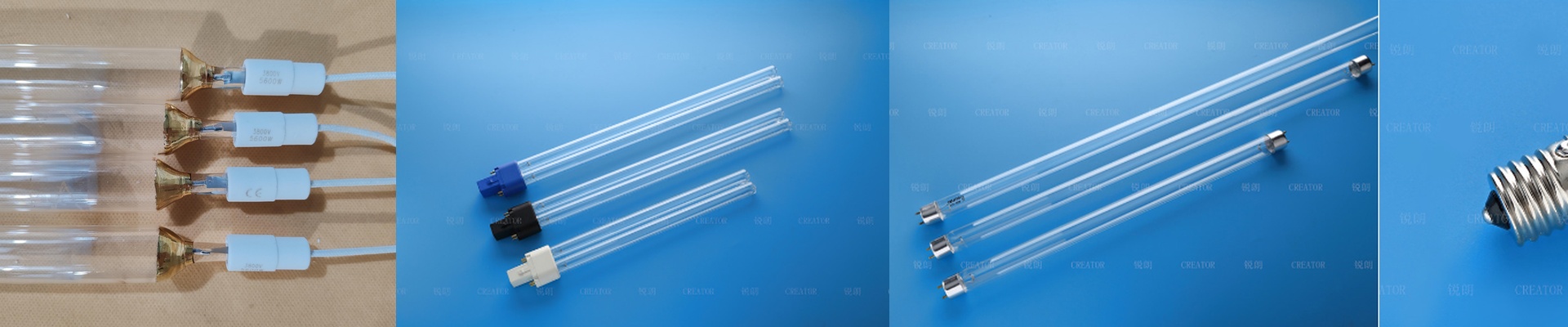
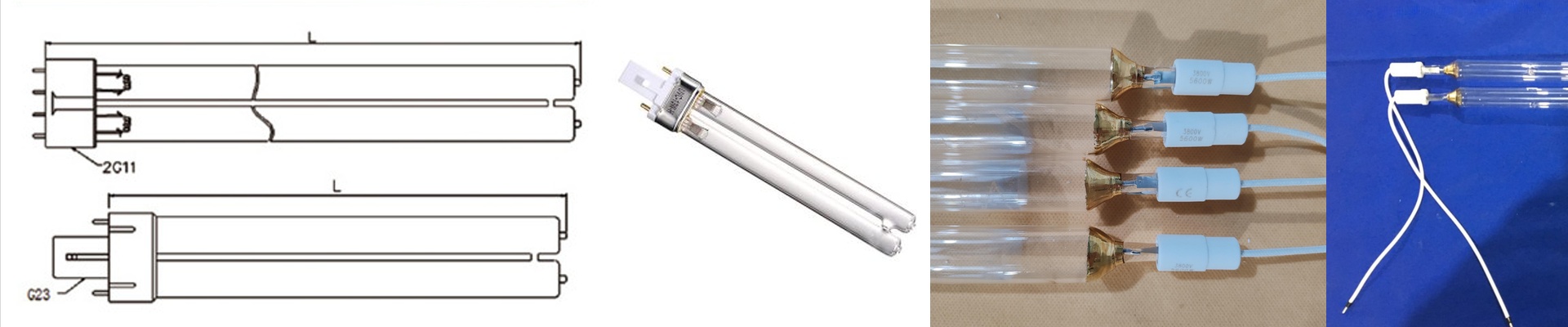
On the KTK elliptical machine line, flash-curing has to happen fast, every time. The stop-start rhythm of the print sequence hammers the UV lamp and its power supply. Standard mercury lamps don’t like that kind of abuse—spectral stability slips, electrodes degrade, and you end up with inconsistent cure and surprise downtime. We built our custom gallium lamp to do one thing well: hold steady spectral output and mechanical reliability under frequent ignition. Here’s what actually matters in the real world: the lamp’s spectral distribution has to match the photoinitiator chemistry in the UV ink. Our gallium lamp locks in a stable output profile centered on 365nm and 385nm, with a controlled long-wave tail so you don’t cook the substrate. We maintain peak irradiance along the arc length to hit the required energy density (mJ/cm²) for cross-linking, even when the dwell window is tight. The reflector uses a dichroic coating to shape the spectral envelope and keep the target band dominant. An ozone-free quartz envelope keeps integration straightforward and cuts down on maintenance headaches. The “anti-start-stop” talk isn’t a slogan—it’s measured behavior. We engineered the electrode geometry and gas fill to reduce erosion during repeated strikes, and tuned the ignition profile to keep current surge under control. On KTK flash-dry cycles, the lamp settles fast, so the first printed segment after a pause gets the same dose as the last. That translates to consistent surface cure, fewer rejects, and predictable lamp life. We’ve got units running past 5,000 hours with under 5% output drop, even under these cycling conditions. A few field notes: gallium lamps are picky about ballast compatibility and reflector alignment. Match the driver to the lamp’s ignition and operating curves, and use a spectral radiometer to verify reflector focal distance so you get the specified irradiance profile. Also, know your substrate’s thermal limits. The lamp runs cooler than broad-spectrum mercury, but the flash intensity still demands heat management. And spec the arc length and connector orientation exactly for your KTK fixture—getting that wrong means rework in the field.