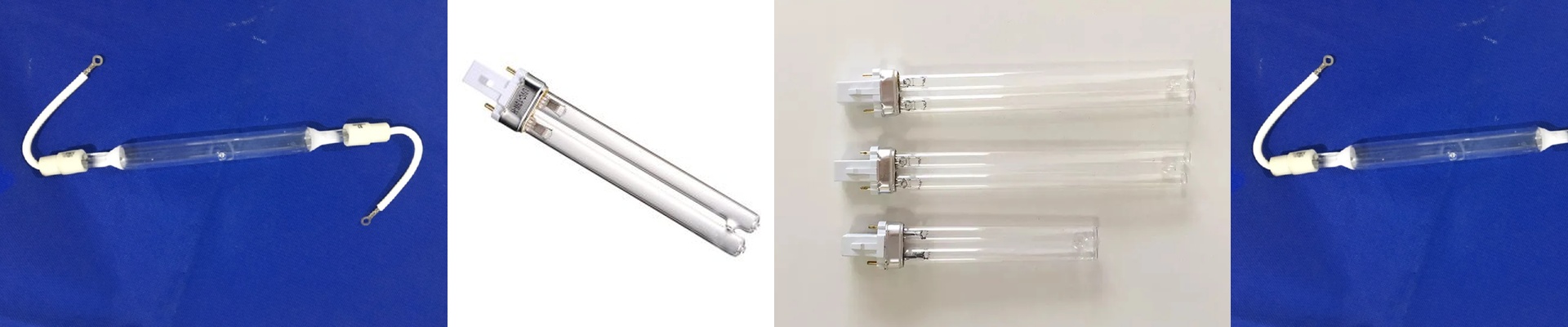
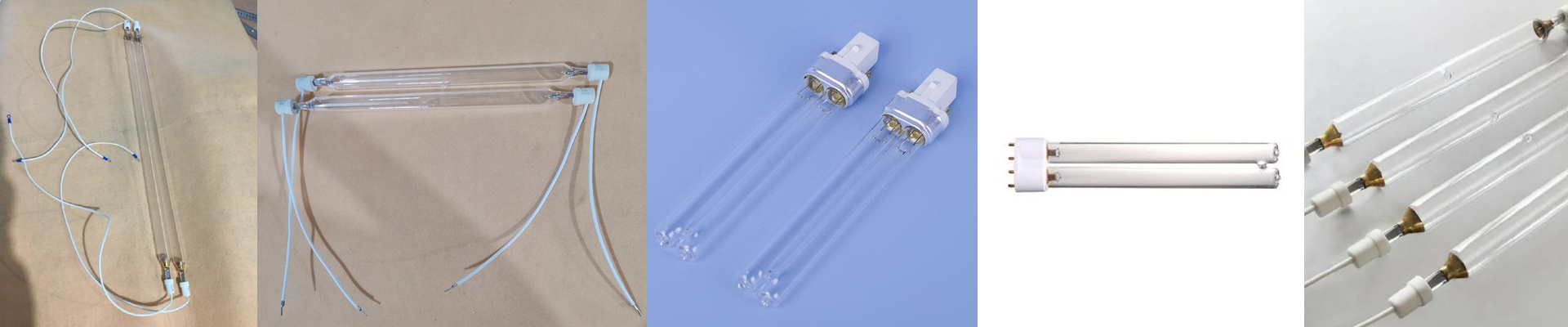
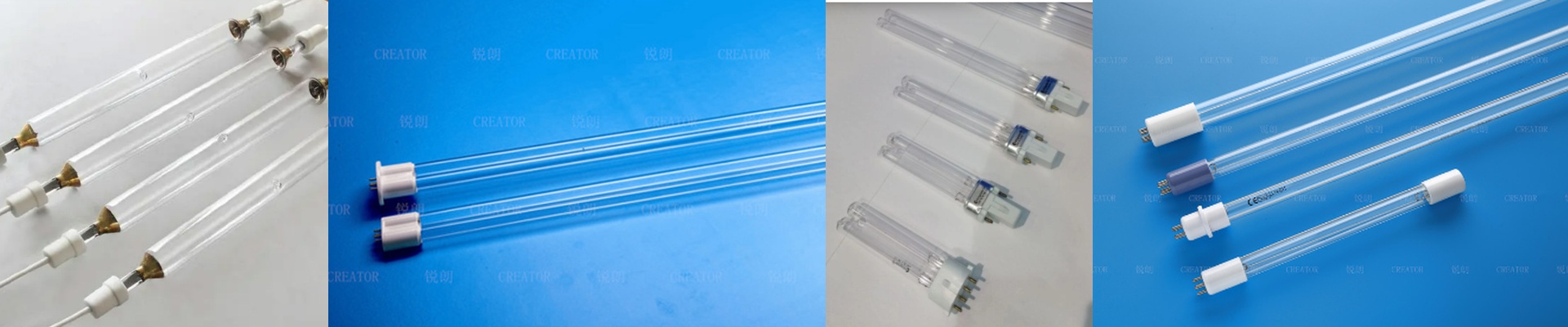
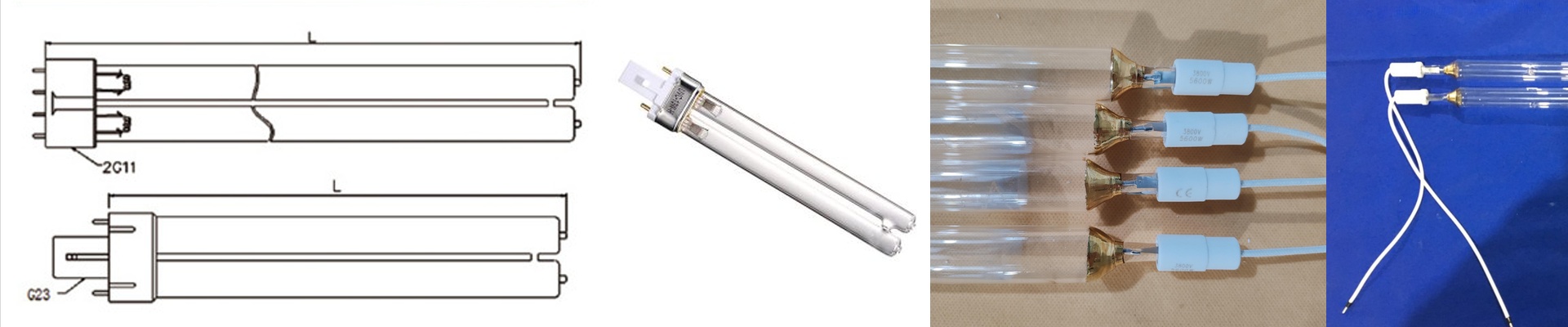
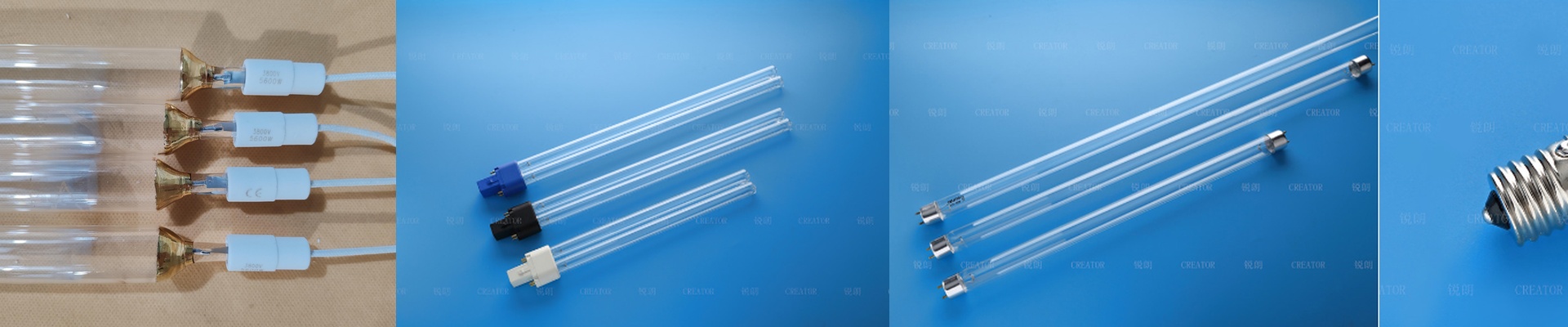
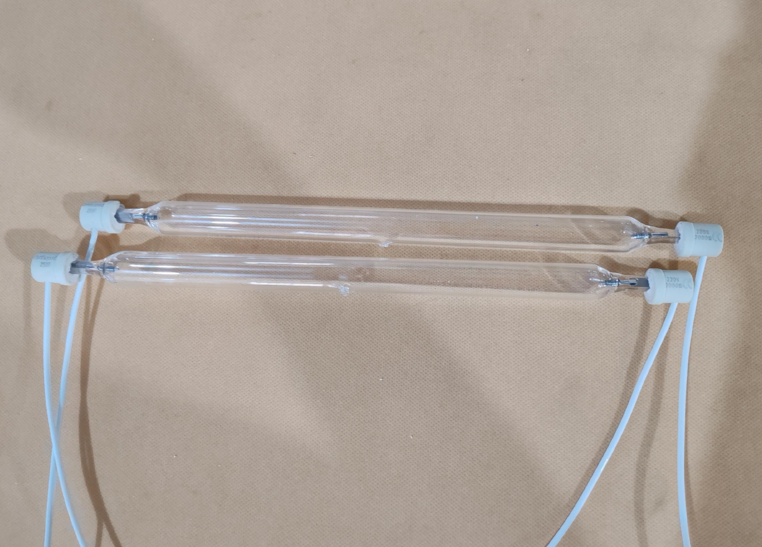
On the floor, a sterilization line can’t tolerate a lamp that drifts or dies mid-run. So every 254nm UV sterilization lamp we ship gets a two-hour, full-power load aging test before it leaves the shop. This 100% burn-in isn’t a checkbox exercise. It’s a practical way to knock out early-life failure modes and settle spectral output before the lamp hits your equipment. What actually matters The 254nm line hits microorganisms where they absorb the most, driving photophysical inactivation—no heat required. Peak irradiance and delivered dose do the work, not peak wattage on paper. We build these lamps to hold output steady over time, with a controlled arc and consistent quartz envelope geometry. That’s what keeps dose delivery repeatable, so your process window stays predictable shift after shift. Why the burn-in pays off Two hours at 100% burn-in cuts infant mortality and tightens output across the batch. Fewer mid-cycle lamp failures mean less unplanned downtime and more consistent sterilization performance. In practice, that translates to fewer stoppages, more stable dwell-time margins, and lower scrap exposure when you have to hit a validated microbial reduction target. A few shop-floor details to keep straight 254nm germicidal lamps need proper reflector alignment and clean quartz surfaces—even minor contamination scatters UV and chips effective dose. Also confirm your fixture voltage and ignition method. Electronic ballasts and instant-start systems behave differently. Expect output to drop as operating hours add up. Schedule periodic intensity checks, and plan lamp replacement based on measured dose, not calendar time.