How a Rock-Solid UV Lamp Fixes Flexo Print Headaches
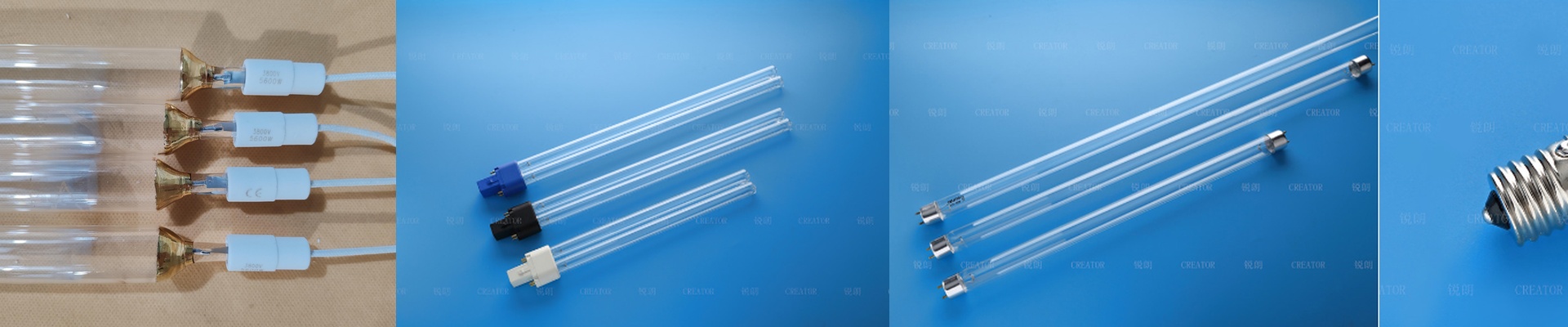
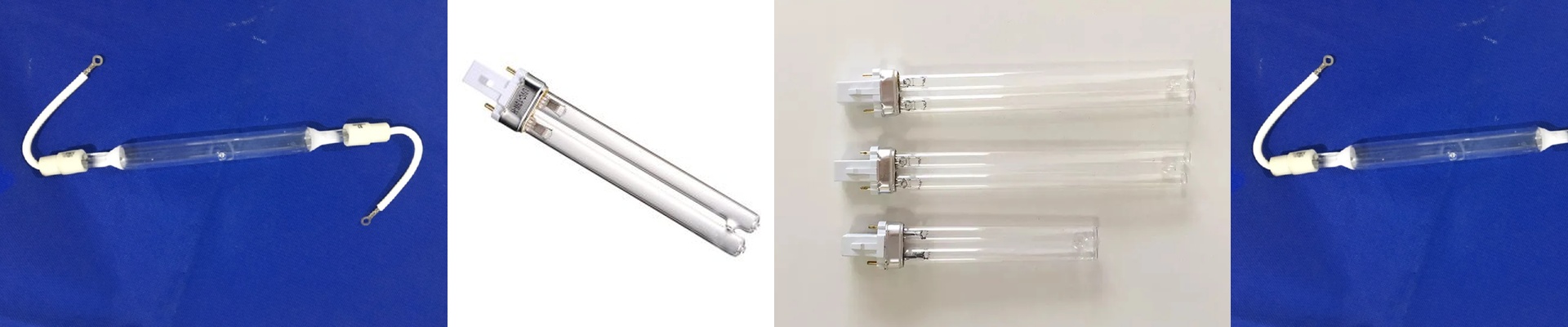
In flexographic label printing, the UV curing stage is where it all comes together—or falls apart. We built our quartz glass-shielded UV lamp to be one thing above all: steady. Like, unshakeably steady. When the lamp output stays constant, the ink cures evenly. And that means those ugly, familiar defects—edge blur, color bleed, dot gain—just stop showing up. No more watching your print quality drift because the energy level can’t hold its line. This isn’t some run-of-the-mill UV lamp. It’s built as a core part of the process, engineered to hold its setpoint without wandering, even on those marathon runs.
The Inside Story: Power, Fit, and What Makes It Tick
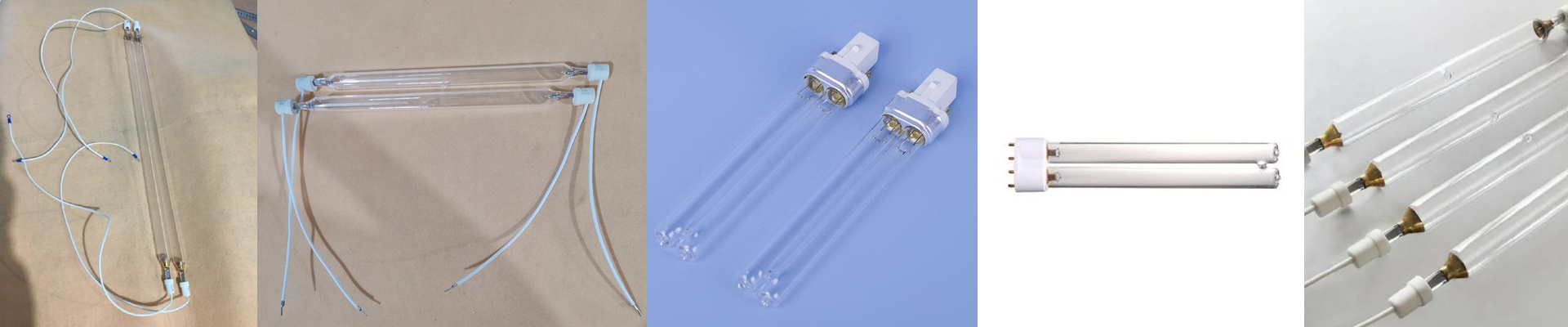
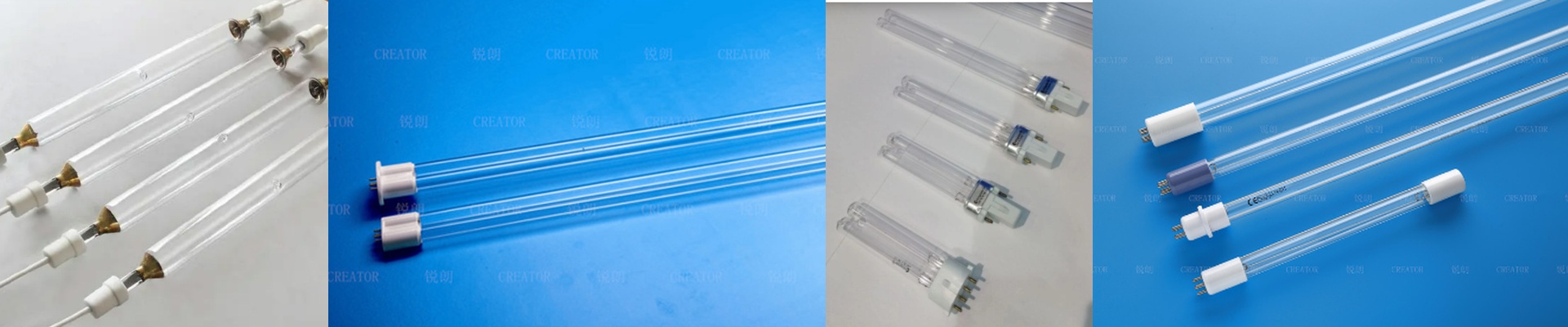
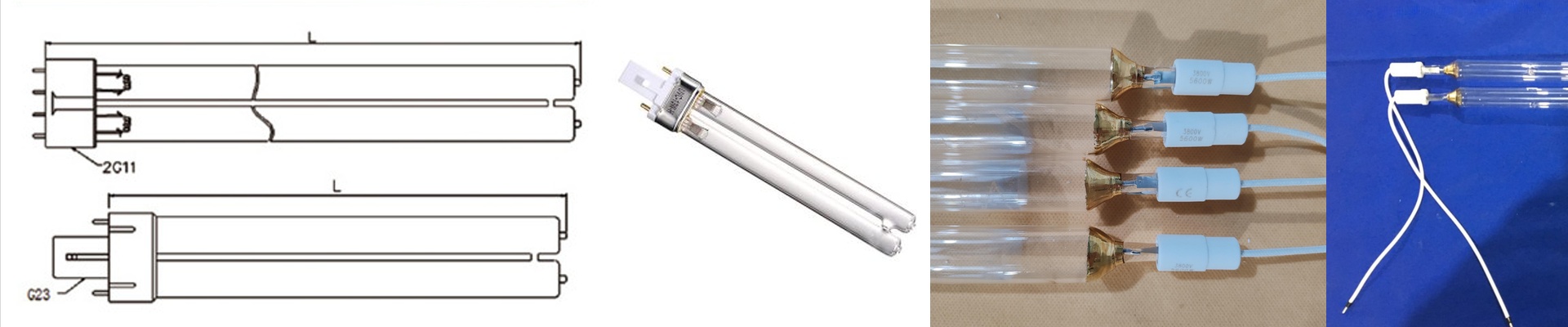
The lamp slips into standard UV retrofit spots, with a footprint that matches what’s already in the reflector. It runs on a high-voltage supply, because that’s what keeps the arc stable—strong and repeatable. High voltage helps the arc stay consistent even when the line wobbles a little. So the lamp doesn’t surge and sag. It just… stays. We tuned it to deliver high-intensity output in a focused spectral band, right where fast-curing photoinitiators do their best work. That intensity gives you a sharp, clean cure front. And the size? It’s matched to common UV modules, so you can drop it in and wire it up without re-engineering the whole line. Here’s the catch: that kind of output needs proper airflow. If the cooling is undersized, the lamp runs hotter, and stability starts to drift. Keep it cool, and it keeps performing.
What It’s Built With: Quartz, Heat Handling, and Solid Connections
The quartz glass shield is doing more than just covering things. It’s a thermal and optical partner. Quartz passes UV effectively while handling the shock of rapid on/off cycles. It protects the arc tube and helps keep the internal temperature stable—so output stays stable, too. The arc tube handles high heat density, and the whole assembly manages that heat without creating hot spots. And the connectors? Industrial-grade, so replacement is quick. That connector choice matters. It has to carry high current safely and survive the vibration from the press, day after day.
What It Feels Like on the Floor: Clean Cures, Fewer Rejects
On a flexo label press, the print head moves fast, and the substrate can be thin and touchy. If lamp output is inconsistent, the cure lags and the image starts to spread. With a stable lamp, the ink lands, cures, and locks exactly where it’s supposed to. The payoff is cleaner edges, sharper halftones, and far fewer rejects. And the lamp holds up to continuous duty, so you’re not swapping it out every week. One honest note: to keep that stability, you need to match the lamp with the right power supply and keep the reflector clean. Do that, and the lamp becomes a predictable part of the press—no guesswork, no smeared patterns. Just dependable, repeatable results.