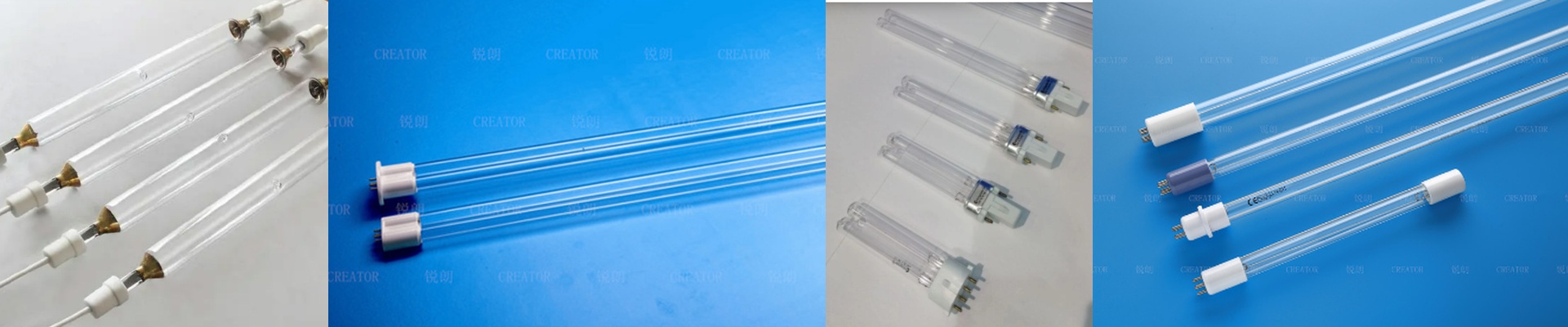
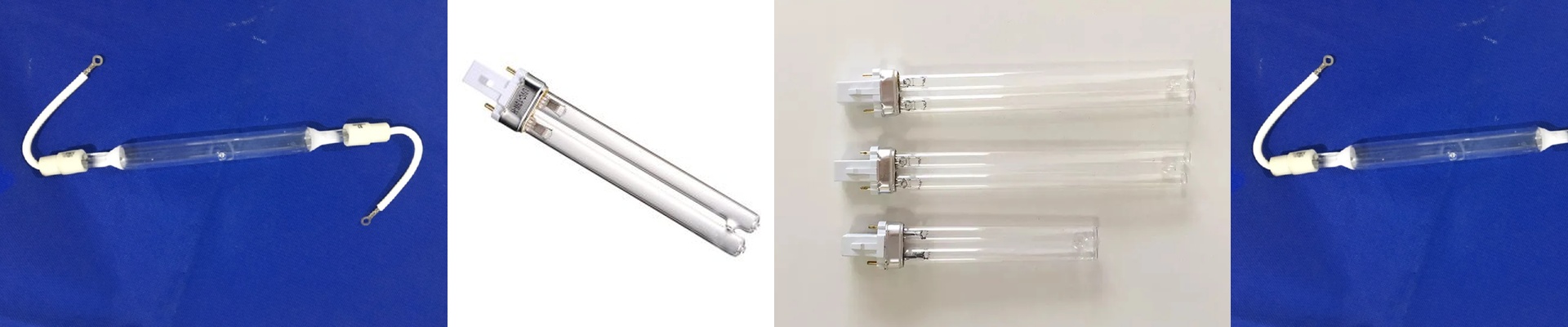
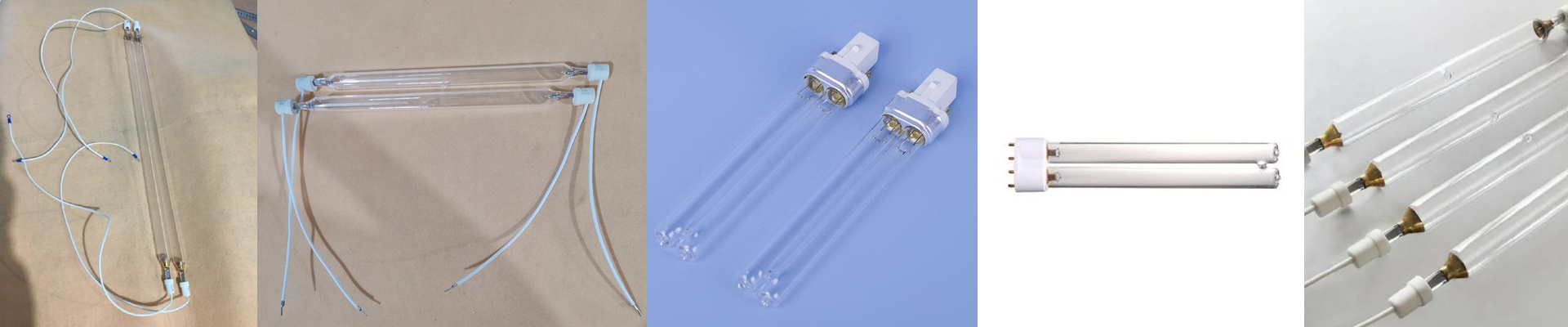
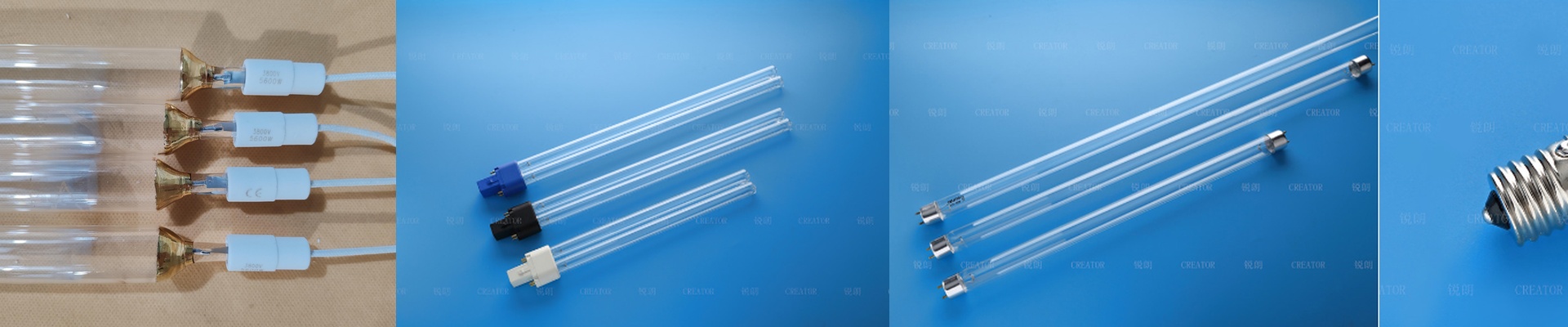
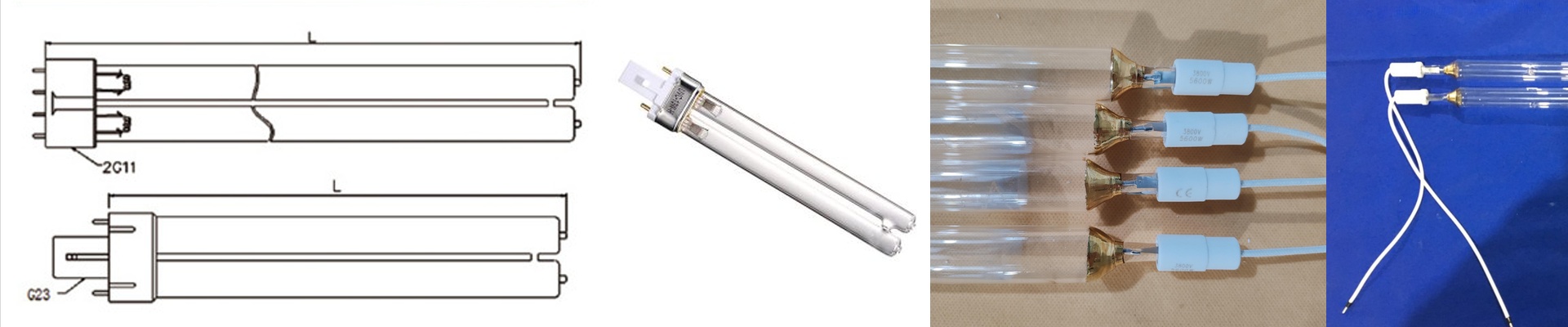
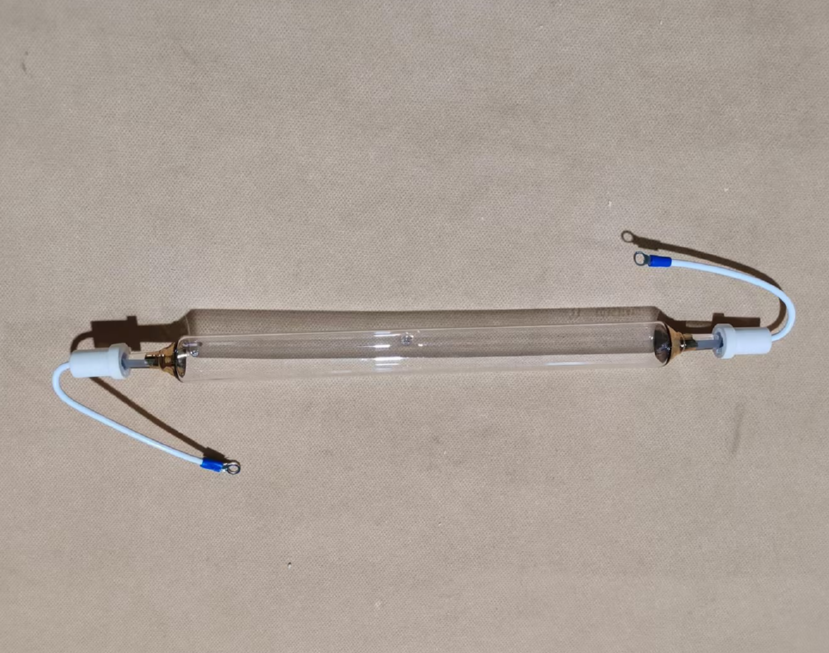
Walk the press floor and watch the rejects pile up—cured coatings that still feel tacky, ink that won’t cross-link. Often the culprit is right in front of you: a thin film of oil and smoke residue on the UV lamp and reflector. It blocks the spectral output, cuts peak irradiance, and leaves photoinitiators unreacted.
What Matters Technically
A UV coating curing machine lamp is measured by delivered energy, not just wattage. We specify stable output at the key wavelengths your ink or coating chemistry depends on—365nm for deep through-cure, 385–405nm for surface cure and faster cycles. Peak irradiance, measured in mW/cm² at the substrate plane, determines whether you get instant cross-linking or a slow, incomplete reaction. The reflector’s dichroic coating is engineered to direct the right band back onto the web, and even a light haze on the lamp envelope scatters and absorbs photons, lowering the mJ/cm² that reaches the print.
Why It Works Here
Daily maintenance directly affects uptime and yield. Clean the lamp and reflector with the correct solvent and lint-free wipes, and you prevent the spectral loss that causes incomplete curing. Do it on schedule and lamp life extends by roughly 30% because the quartz envelope runs cooler and the electrodes stay stable. The result is consistent cure energy, fewer stops for tackiness, and predictable print quality shift after shift.
Things to Know
This lamp integrates into existing UV offset, flexo, and screen lines, but alignment and distance matter. Set the lamp-to-substrate gap per the machine spec; too close and you risk substrate heat, too far and you lose irradiance. Expect higher current draw on startup—match the ballast and connector type to your system. One constraint: the lamp runs hot, so airflow and reflector cooling must remain unobstructed to protect output stability and longevity.