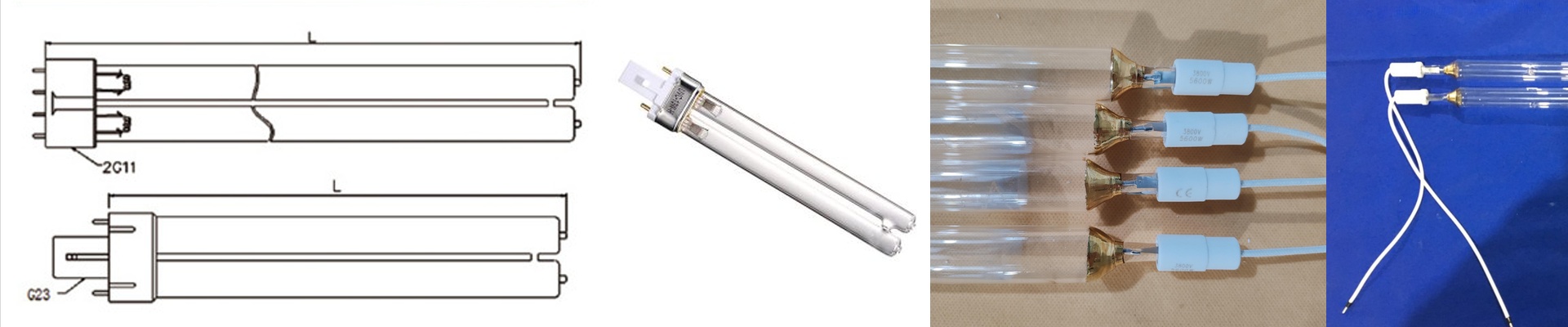
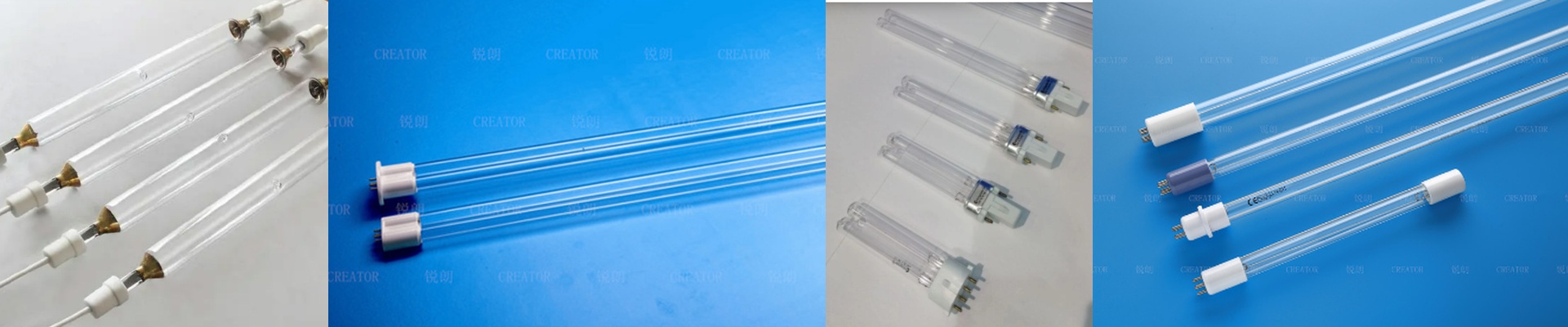
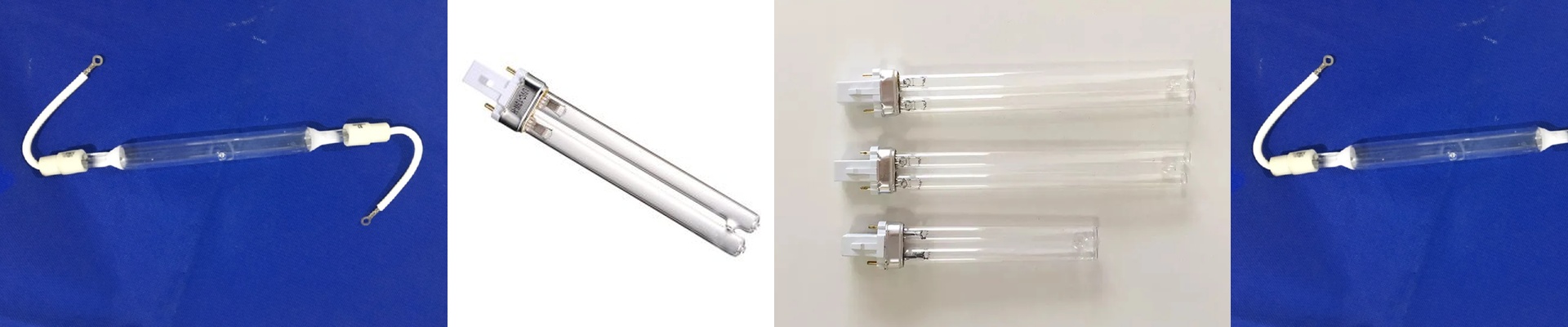
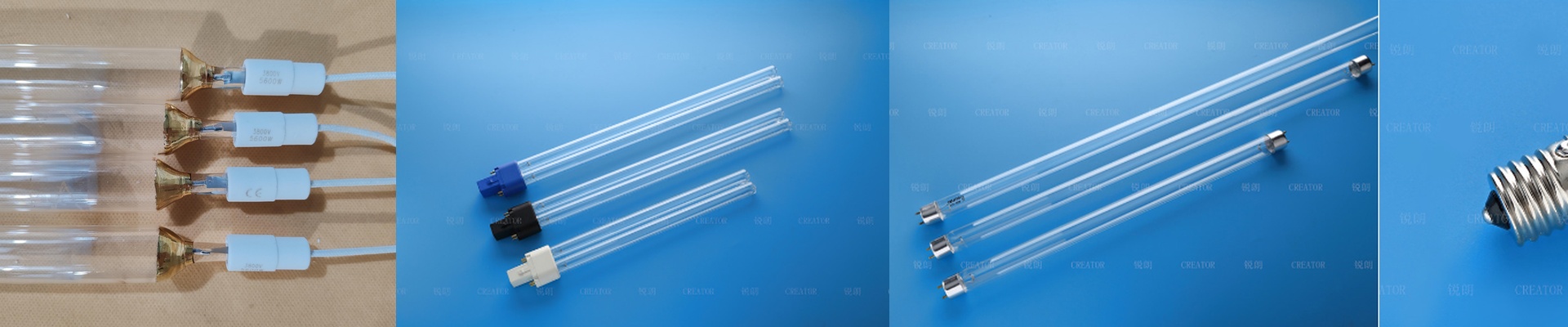
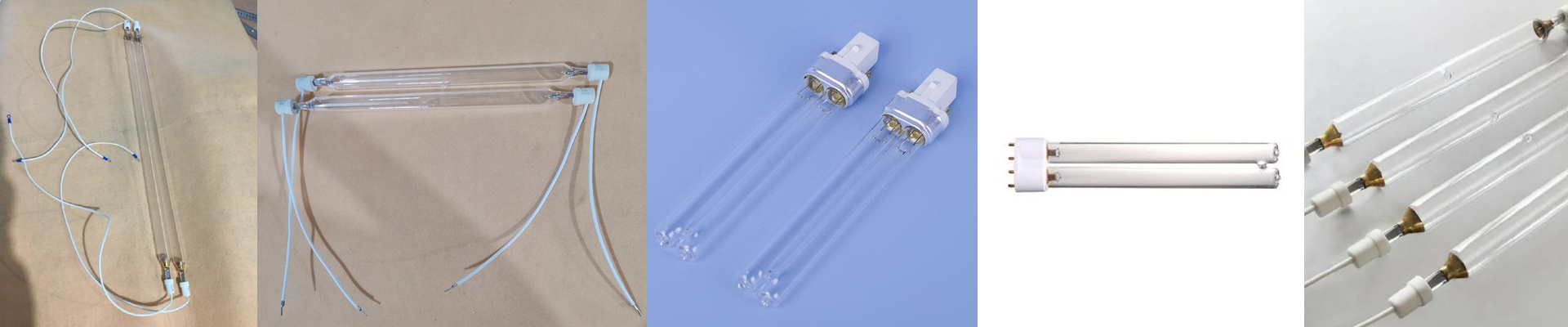
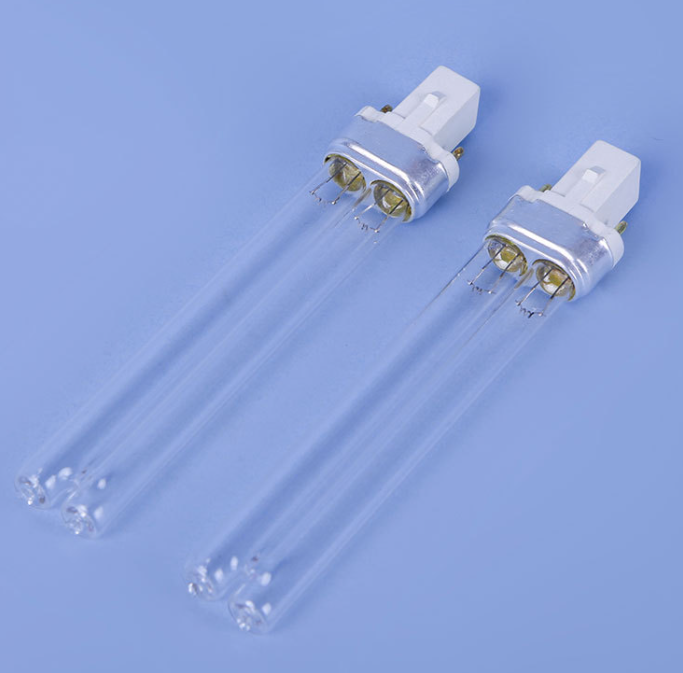
In the lab, when you’re laying down UV-cured coatings on marble samples, tolerances live in the nanometers. A spectrum that’s off doesn’t just slow you down—it throws off the photoinitiator chemistry. You end up with uncured monomers and cross-linking that’s all over the map. You need a UV curing lamp that acts like a precision tool, not a heat gun with a broad output.
What matters, technically
We build the lamp around controlled spectral output, usually nailing a narrow band at 365nm or 395nm, depending on the photoinitiator package. Peak irradiance is tuned so you hit the required light energy density at the coating surface—often 500–2000 mJ/cm² for full cross-linking—without cooking the stone. A dichroic reflector and a quartz envelope keep the spectrum stable, so the photoinitiator absorbs efficiently and the cure happens in seconds. The payoff is repeatable conversion, not seat-of-the-pants guessing.
Why it fits this work
Lab-scale marble curing lives and dies on repeatability, batch after batch. With a spectrally pure, ozone-free UV source, photoinitiator activation stays consistent, cross-linking is predictable, and the surface cure is ready to handle right away. Energy density holds steady run-to-run, which cuts scrap from under-cured edges or over-exposure. In practice, that means fewer retests, tighter tolerances, and faster cycles—while keeping substrate temperature rise in check.
The things you can’t skip
Matching lamp output to your reactor geometry isn’t optional. Irradiance drops with distance, so lock in the working gap and keep it repeatable. Expect a warm-up before spectral output settles, and verify performance with a calibrated radiometer—don’t eyeball it. And yes, you can get long lamp life, but output still decays over time. Track it and plan replacement intervals so light energy density stays where you need it.