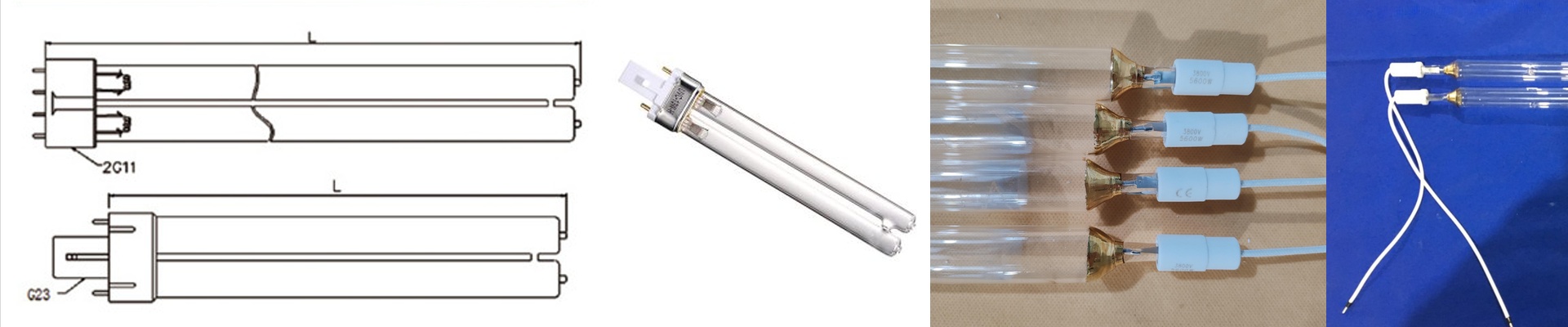
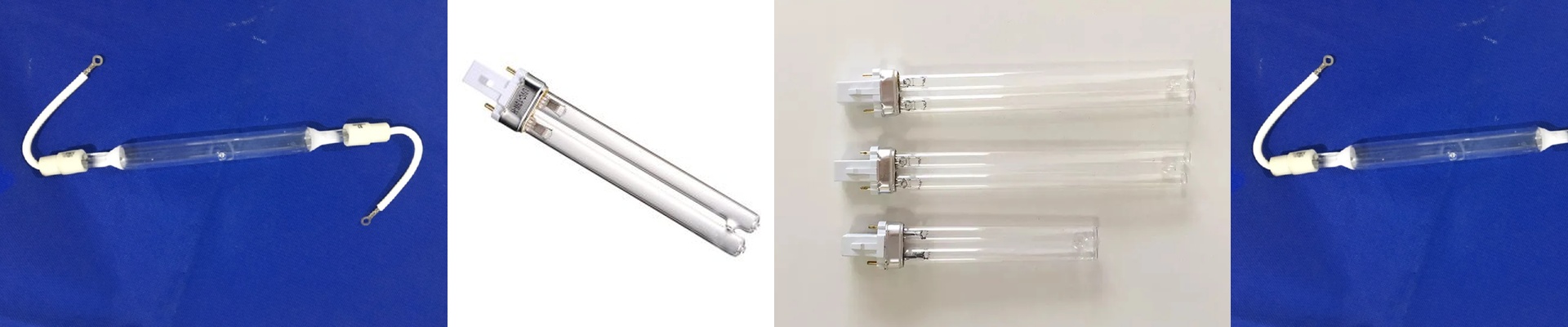
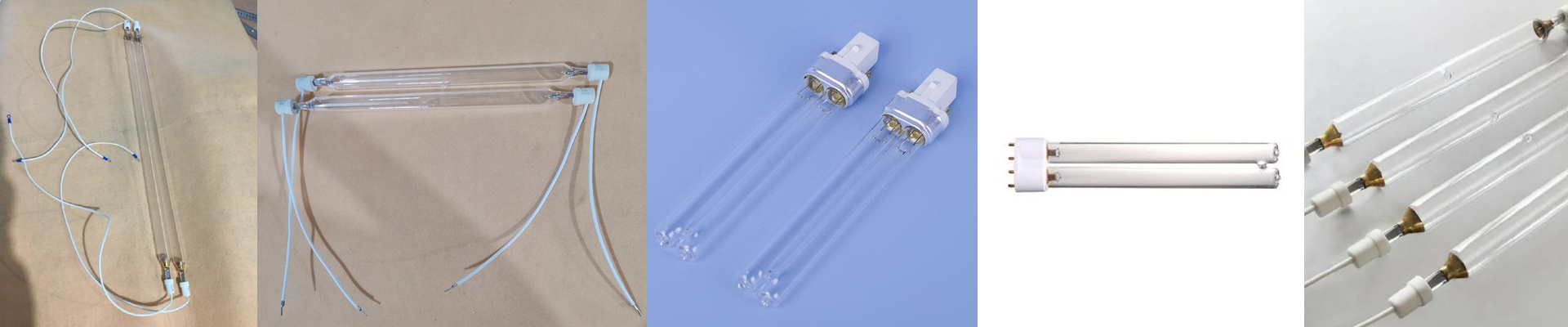
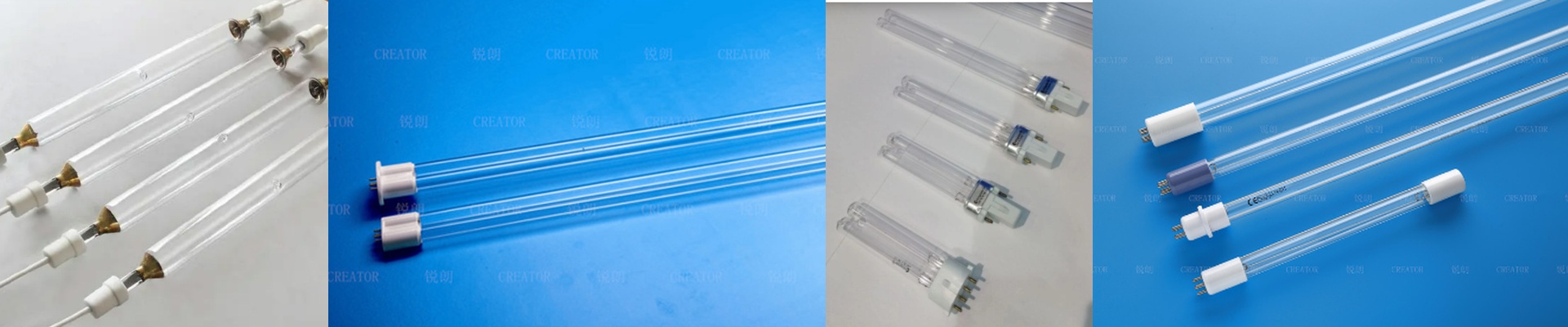
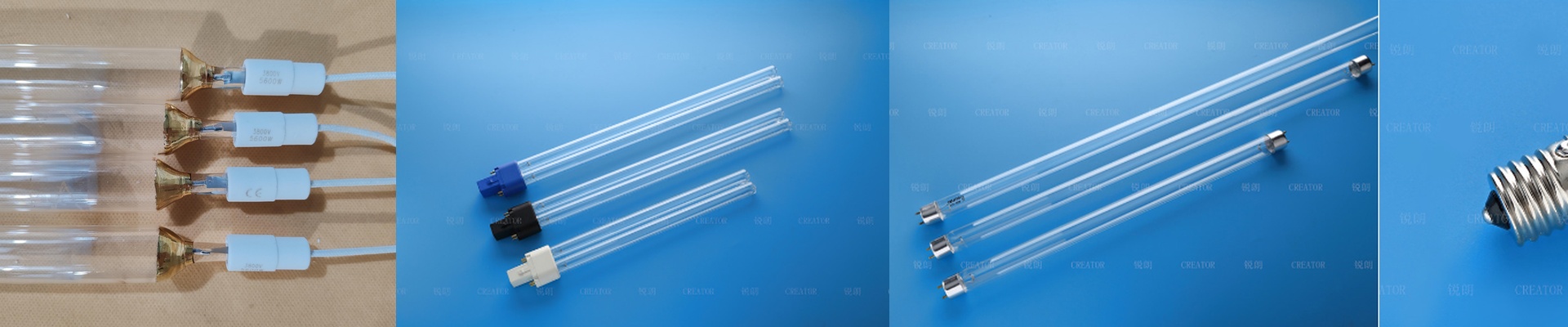
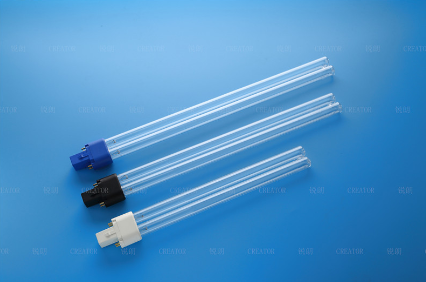
On the press floor, anti-counterfeiting work doesn’t leave room for wishy-washy cure profiles. When you’re running security inks, the wrong UV spectrum gives you taggant response that’s all over the place—faint under inspection, shifting with viewing angle, and weak on adhesion. We built a high-spectral-purity UV resin curing lamp to cut through that, anchored on a tight, stable output centered at 365nm. What matters under the hood This is a high-pressure mercury vapor lamp, built for spectral control and repeatable energy delivery. The reflector uses a dichroic coating to push IR out of the beam and keep heat off the substrate, while focusing the output into a defined UV band. That gives you high peak irradiance right at the 365nm peak, delivering the photon density the photoinitiators in security formulas need. You get a consistent dose across the curing window, measured in mJ/cm², so the ink cross-links uniformly instead of just skinning over. We call out output stability and lamp life in actual operating hours, not marketing numbers. Why it plays well here Anti-counterfeiting printing lives and dies on the ink’s spectral response. With a clean 365nm profile, the lamp activates the taggant and the curing chemistry in step, so you get a repeatable signature that’s easier to verify—on the line and in the field. Expect sharper contrast, better adhesion, and fewer rejects from that hazy, under-cured look. The focused spectrum also tightens your process margin: less wasted energy, less heat, and faster cycle times, without chasing broad-band tails that can drive yellowing or unwanted background fluorescence. The shop-floor details Match the lamp to the ink’s photoinitiator window, and make sure your reflector geometry lines up with the print width. Output drops as the lamp ages—plan preventative replacement around your measured dose budget. And keep the power supply and interlocks matched to the lamp’s ignition and operating behavior. For ozone-free operation, run an ozone-free quartz envelope and give it proper airflow. That’s a real constraint in compact UV units, and it matters when you’re running continuous production.