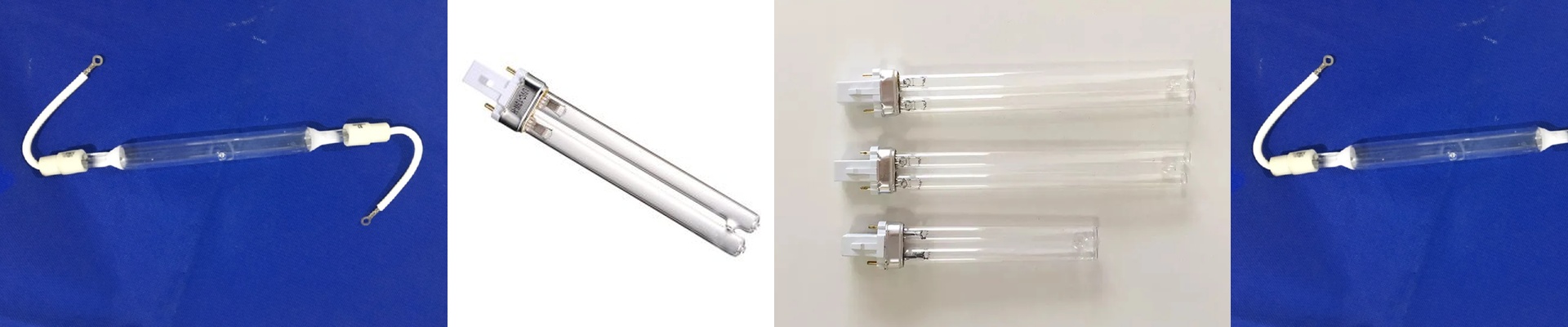
Stop Just Swapping Lamps. Start Fixing Your Process.
Most people treat UV lamps like lightbulbs in a hallway. When one burns out, you find the part number, swap it for a new one, and pray that the prints still come out right. But here’s the thing: a UV lamp isn’t just a consumable. It’s the engine of your entire line. If the specs don’t play nice with your ink and your line speed, you’re either burning through electricity for no reason or, worse, shipping out prints that aren’t actually cured. Getting the light right It all comes down to how the light hits the ink. Whether you’re running mercury-vapor or LED, the wavelength has to match what’s actually in your ink. Short-wave UV is great for getting that hard surface finish. Longer waves? Those are what you need to get deep into thick coatings. We don’t just ship you a tube and wish you luck. We help you figure out the wattage and irradiance you actually need so you don’t have to deal with the nightmare of peeling or blistering. The heat problem High-output lamps get hot. Really hot. If your cooling system can’t keep up, your lamps will die way faster than they should, and your materials might start to warp. It’s a balancing act between power and heat. Plus, if your voltage is jumping around, you’ll get flicker and uneven curing. It’s a recipe for premature electrode failure. You need a power supply that stays steady, period. More than just a parts shop Swapping a lamp is the easy part. The hard part is making the whole process actually work. We look at the big picture—how far the lamp is from the substrate, how fast the conveyor is moving, the whole deal. If you’re seeing that annoying “orange peel” texture or the surface feels tacky, the lamp usually isn’t the culprit. It’s usually how everything is put together. That’s where we come in. We handle the hardware, sure, but we also do the math to make sure your line runs lean, fast, and actually works the way it’s supposed to.