Getting UV Curing and Sterilization Right
Look, UV tech is more than just swapping out a dead bulb. If you just throw a lamp at a problem, you’re probably going to end up with a mess. The real trick is matching the light to what you’re actually trying to hit—whether that’s a specific ink, a coating, or a stubborn pathogen. We spend our time obsessing over the overlap between wavelength, power, and heat. Why? Because nobody wants their production line to grind to a halt because of a bottleneck.
The Tug-of-War Between Power and Wavelength
Most of these systems run on either mercury-vapor or LED arrays. Now, here’s the thing: wattage tells you how fast things cure, but the wavelength tells you how deep that cure goes. If you’re sterilizing, you want shortwave UV-C to scramble microbial DNA. But if you’re printing, you need a mix of UVA and UVB to actually kickstart the photoinitiators in your ink. But there’s a catch. High-wattage lamps gethot. Like, really hot. If you crank the intensity without a cooling system that can actually keep up, you’re going to warp your substrate or scorch the ink right off the page. We play with the irradiance and the conveyor speed until we find that perfect balance where everything cures, but nothing melts.
The Nitty-Gritty: Parts and Fit
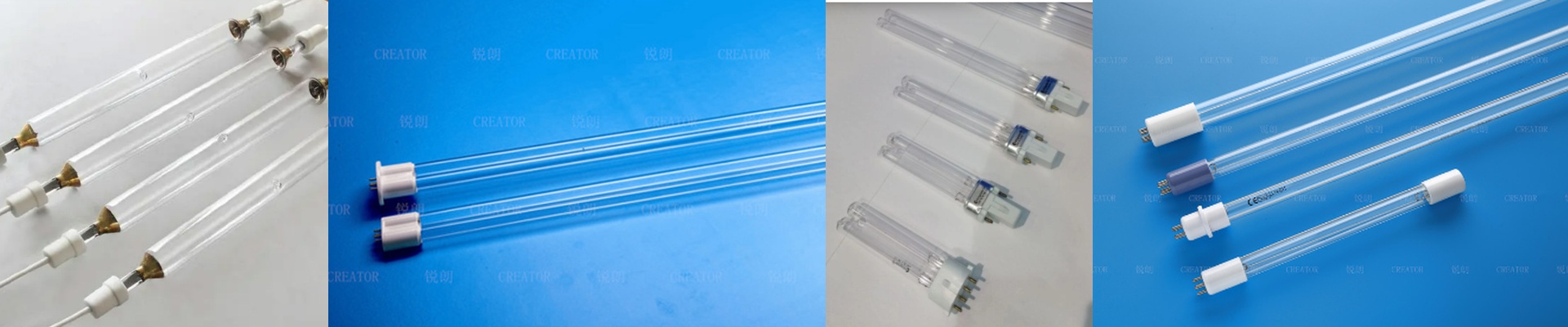
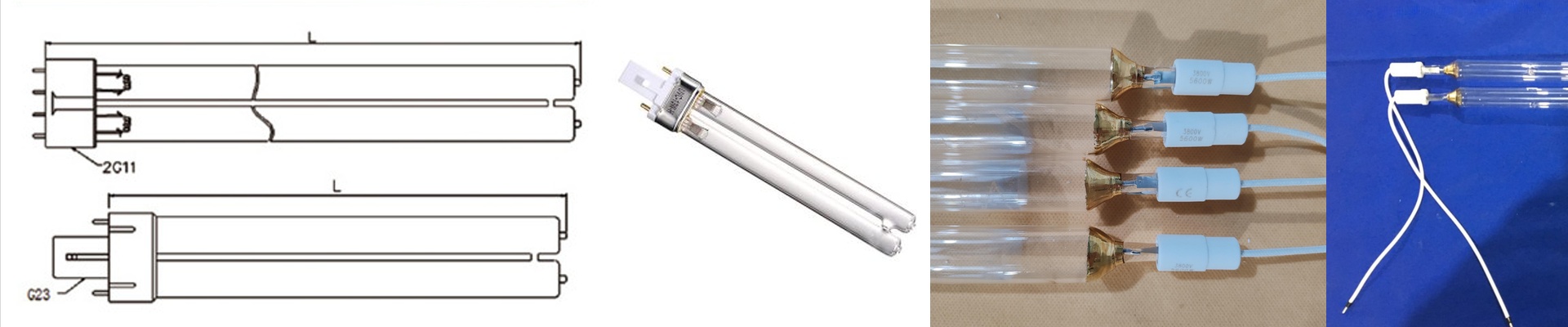
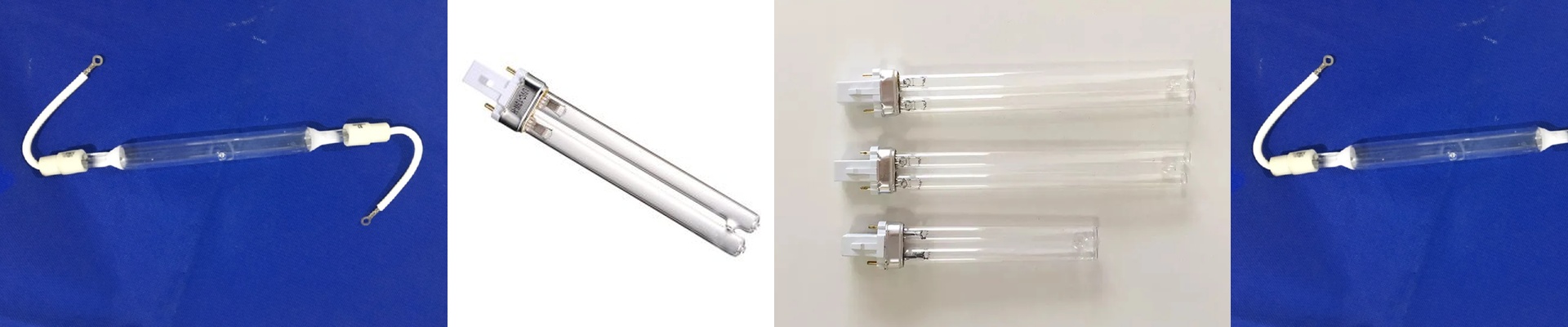
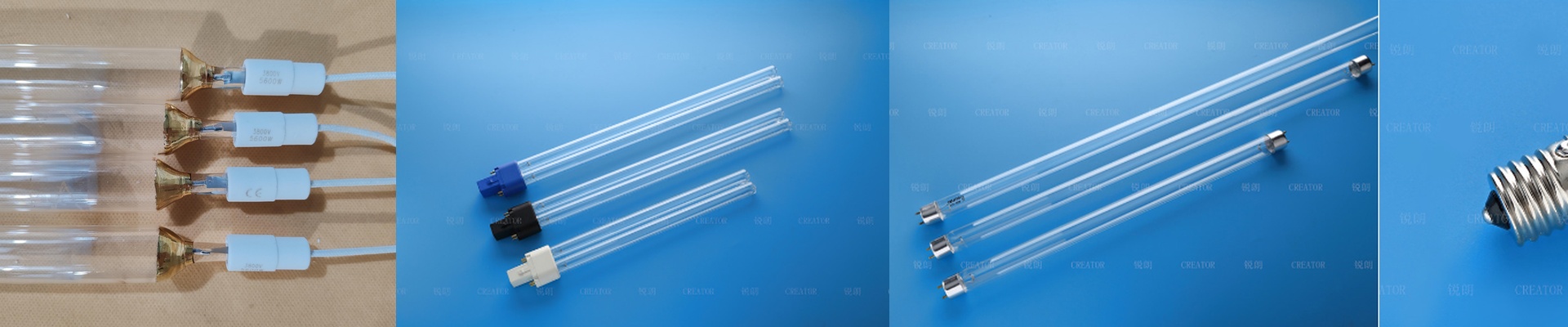
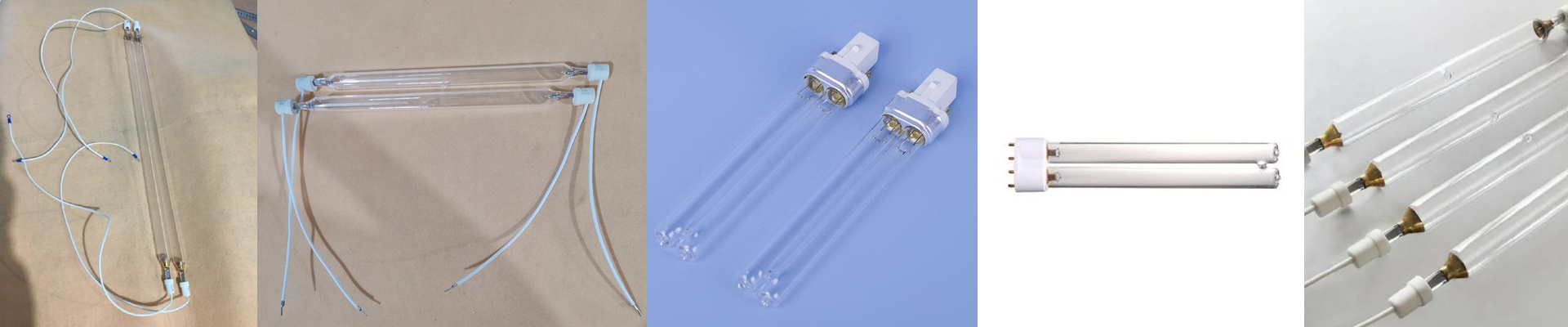
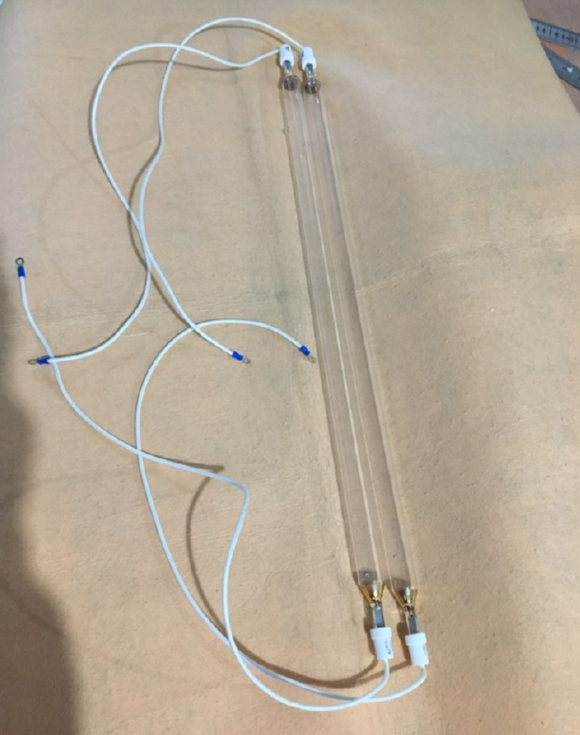
We stick with quartz glass. It’s the gold standard because it lets the UV rays through without soaking them up. Depending on your setup, we’ll pick a grade of quartz that can handle a sudden temperature shock or one that just lets the maximum amount of light through. Then there are the connectors—R7s, SK15, or whatever custom pins you’re using. These have to handle the current without arcing. If the contact at the base is sloppy, you get those hot spots that burn out your lamps way too early. We make sure the footprint fits your current housing so you can just drop it in. But we always double-check your ballast first. You don’t want a voltage spike frying your gear the second you flip the switch.
The Real-World Trade-offs
It’s tempting to think “more power equals more speed.” And sure, higher intensity gets things moving faster. But you pay for that with a shorter lamp life and a higher electric bill. Plus, you can’t just blast the power to fix a surface that won’t cure. If you do, you’ll likely just burn the top layer while the bottom stays tacky. It’s frustrating. The secret is usually in the distance. We help you tune the gap between the lamp and the material to find that sweet spot where everything works exactly how it should.