Getting Your Mercury UV Lamps to Actually Work
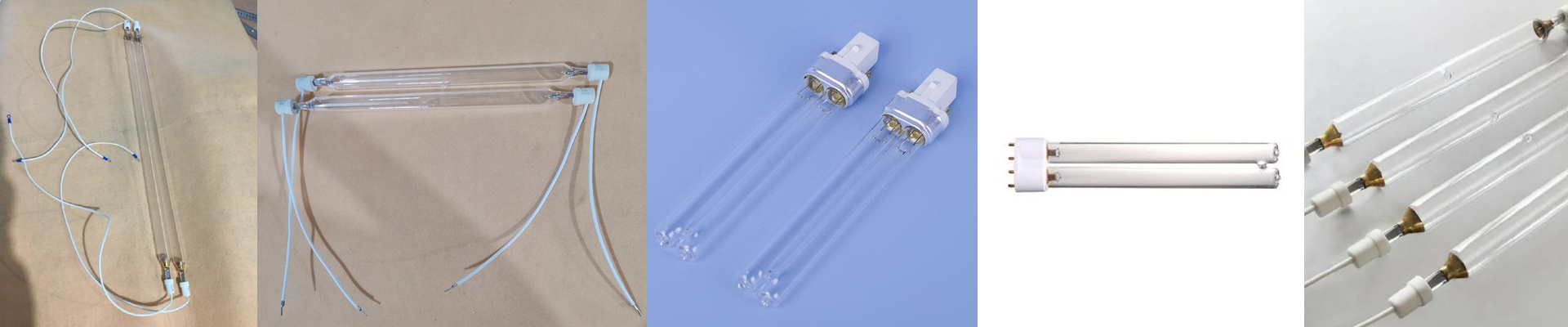
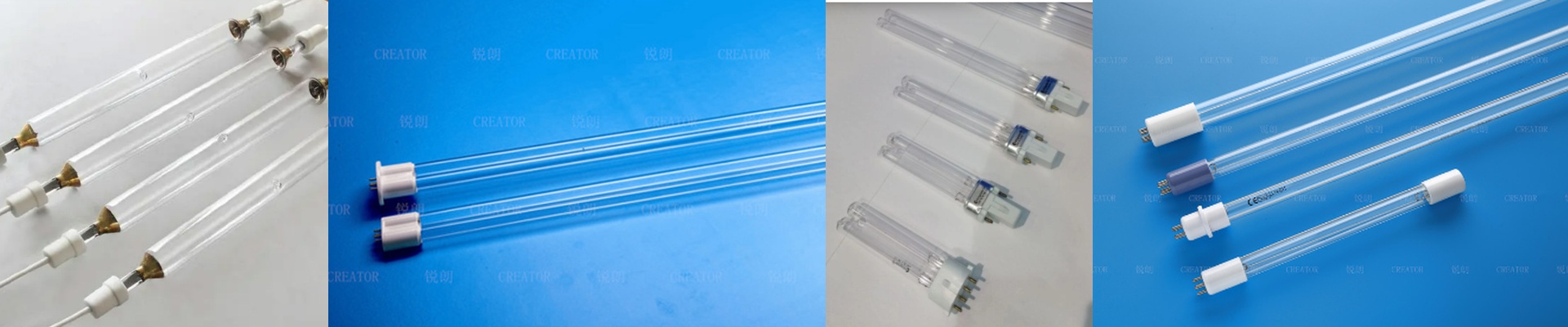
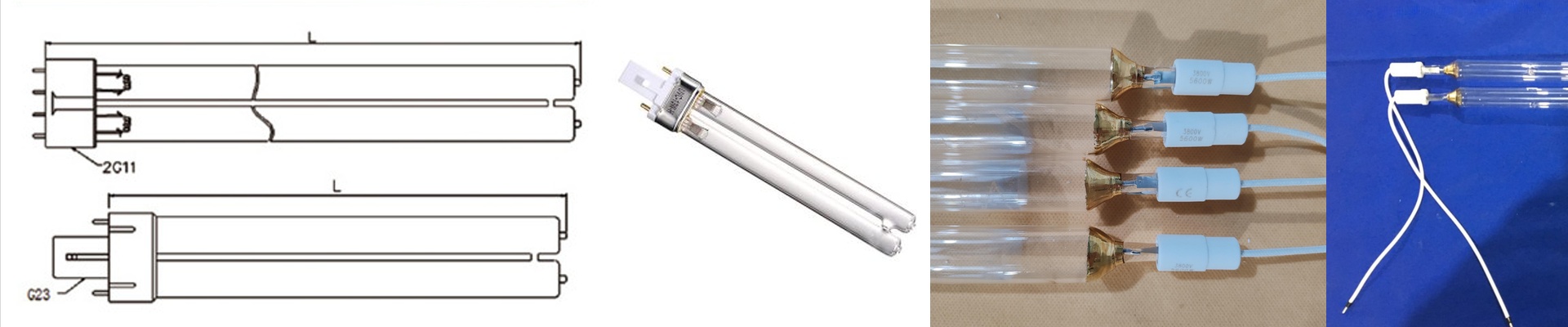
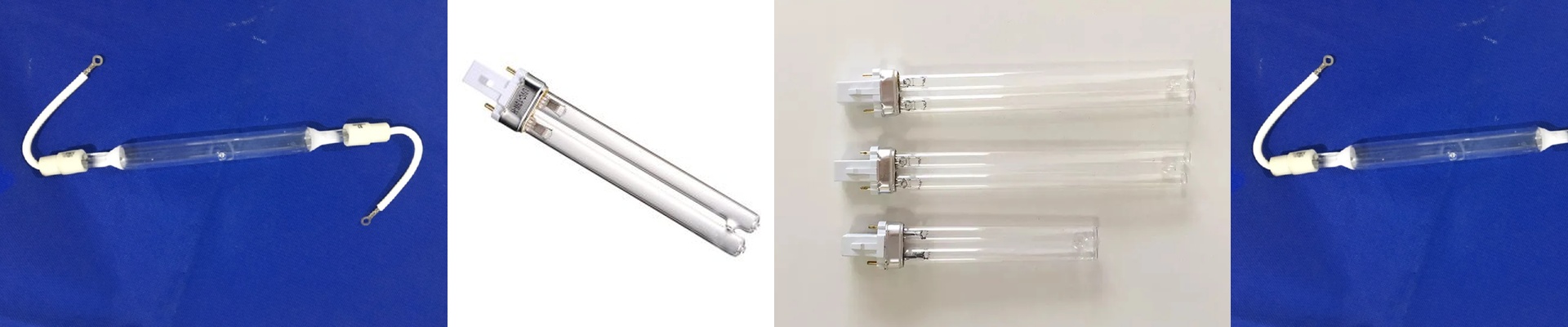
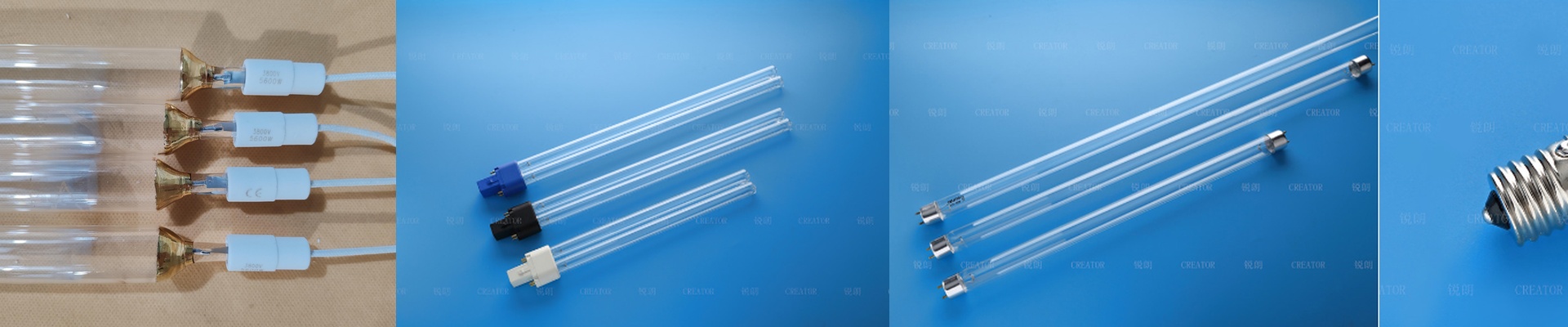
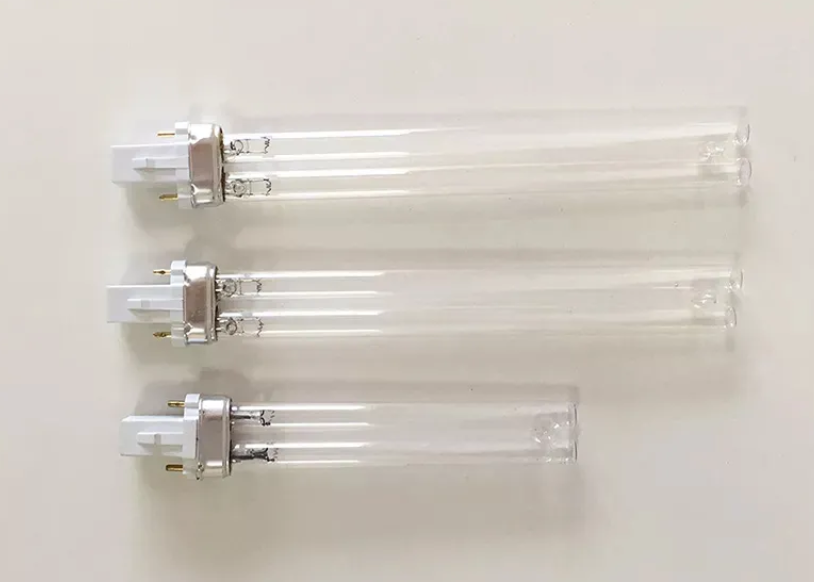
When we design our mercury UV bulbs, we aren’t just throwing parts together. We’re aiming for specific trigger points in your photo-initiator. Most standard lamps use low or medium-pressure discharge to create a broad spectrum, but the heavy lifting happens at those 254nm and 365nm peaks. If those wavelengths drift even a little, you’re in trouble. Your resin won’t cure, or you’ll end up with that annoying tacky finish that ruins a whole batch. The nitty-gritty of the discharge We use high-purity quartz glass because, frankly, regular soda-lime glass just blocks the UV. Quartz lets it fly right through. Inside the tube, we’re ionizing mercury vapor. It’s a balancing act between wattage and voltage to keep the arc stable. Now, high-wattage tubes are great for fast line speeds—they’ve got the raw intensity you need—but they run hot.Really hot. Make sure your cooling fans are up to the task. If the tube overheats, the quartz stresses out and fails. Simple as that. The parts that matter The chemistry in the electrodes is what decides if your bulb lasts or burns out prematurely. We spend a lot of time on the cathode emission so you don’t see that ugly blackening at the ends of the tube. We also keep things simple with the fit. No fluff. Just tight tolerances on the diameter and length so the bulb seats perfectly in the reflector. We use standard connectors, too, so you can just drop them in and get back to work. The trade-offs These bulbs are the old-school workhorses. They’re great for curing inks and adhesives because they handle both the surface and the deep sections. But there’s a catch: the heat. Mercury lamps pump out a lot of infrared radiation along with the UV. If you’re working with PET or a thin plastic film that warps when it gets warm, these might be too aggressive. You’d be better off with filtered lamps or LEDs. But for high-volume industrial jobs? Nothing beats the raw power density of mercury. It just gets the job done.