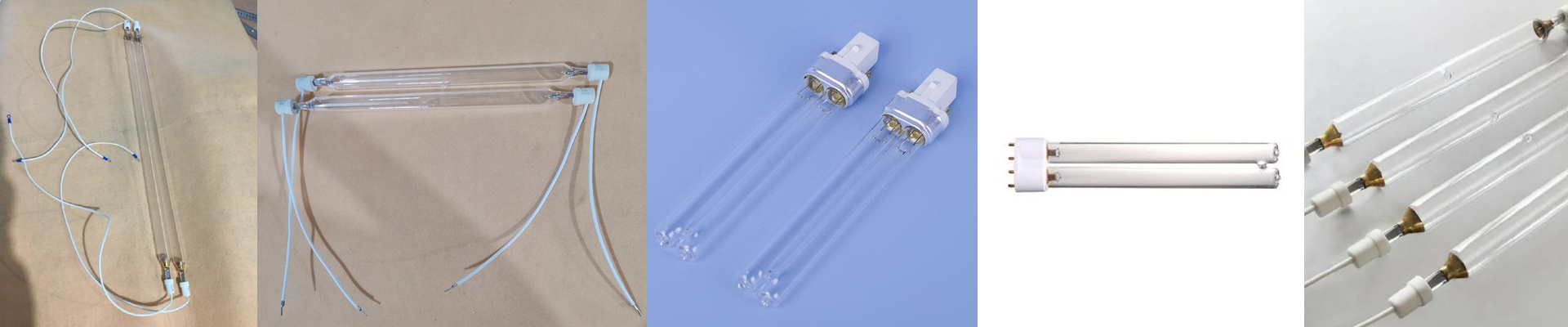
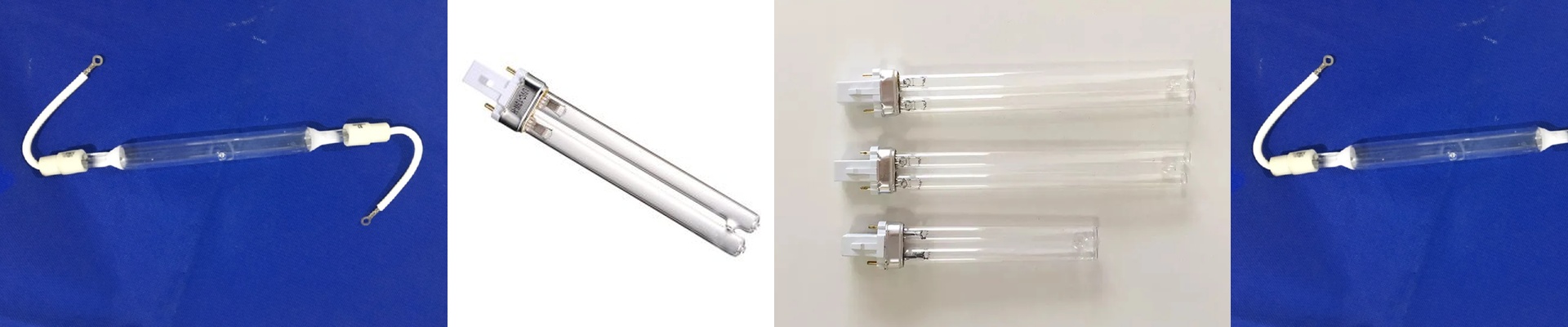
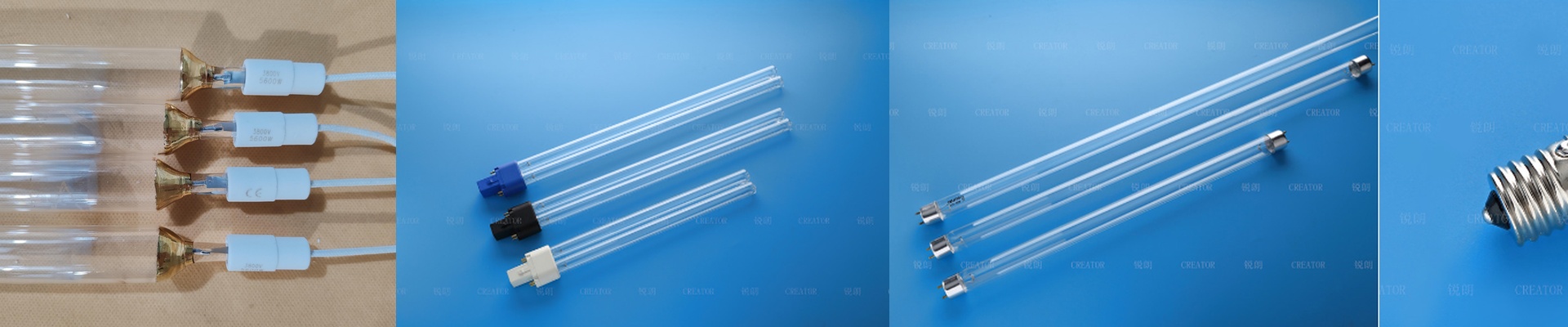
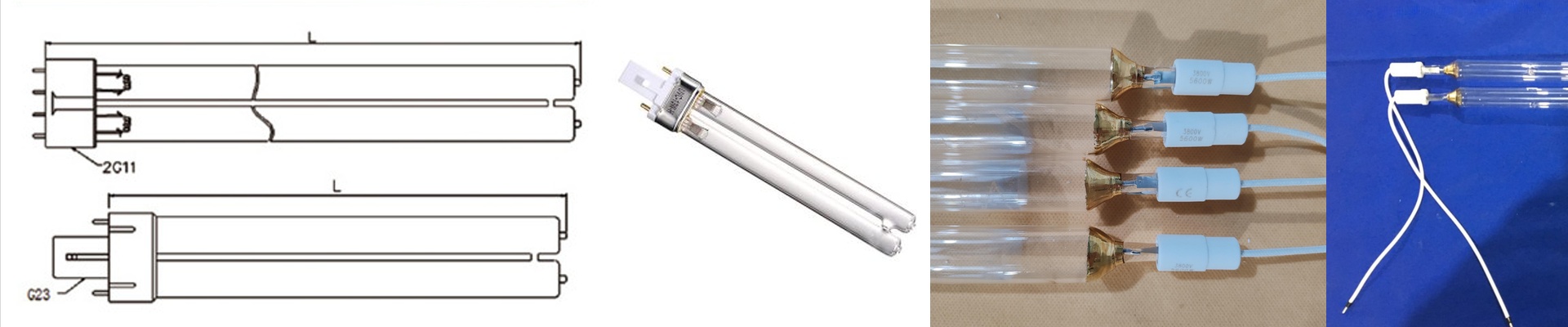
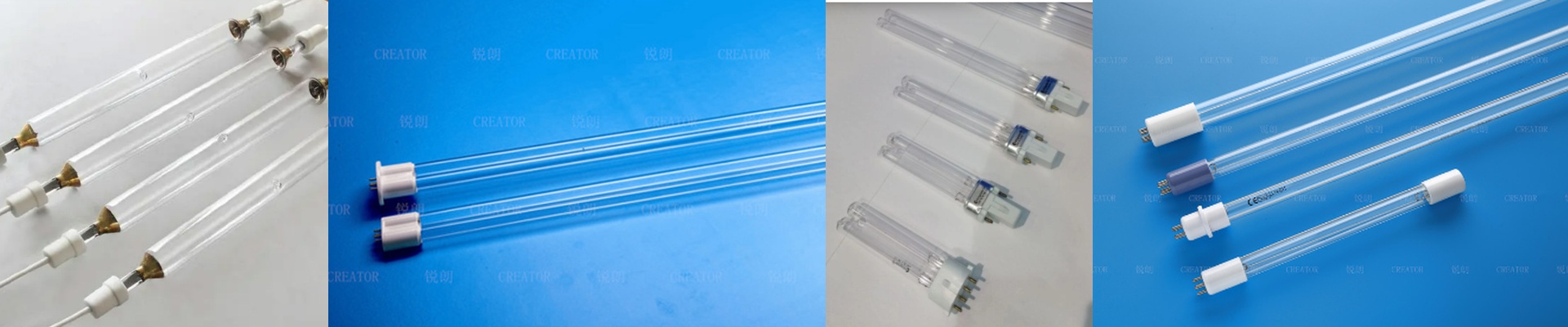
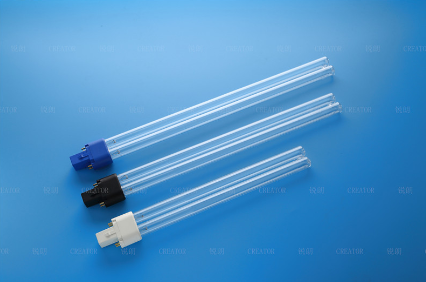
Why that CE Mark actually matters for your UV bulbs
Let’s be honest. When you’re looking at a mercury UV curing bulb, you’re usually staring at the data sheet, checking the output and the timing. You want that photo-polymerization to happen in seconds so your line keeps moving. But here’s the thing: the best specs in the world don’t mean a thing if your shipment gets stuck in customs or, worse, causes a meltdown on your production floor. That’s where the CE certification comes in. It’s not just a sticker.
The gritty details
Running these bulbs is intense. We’re talking high voltages and a lot of heat. If the insulation is cheap or the ballast starts acting up, you aren’t just looking at a dead bulb—you’re looking at blown fuses or a fried control board. Not a fun Tuesday. We spend a lot of time making sure our bulbs handle the stress. We test the quartz envelopes and the seals to make sure they don’t leak or crack when they heat up and cool down rapidly. When we tell you a bulb is CE certified, it basically means the materials are tough enough to handle the voltage spikes without giving up.
Sleeping better at night
In the big global markets, price isn’t the only thing that matters. It’s about risk. Using a non-certified bulb is a gamble. If a lamp pops and starts a fire, your insurance company is going to have a field day. It’s a massive headache you just don’t need. Plus, there’s the “noise” factor. You want a drop-in replacement that just works. The CE mark is your guarantee that the bulb won’t send electrical interference screaming through your sensor lines and mess up your precision.
One last thing…
Now, don’t get me wrong. A certification doesn’t make a bulb invincible. High-output mercury lamps run hot. Really hot. Even with the best certified components, you still need to get your cooling fans and reflectors right. If your airflow is weak, the bulb is going to overheat and burn out early. No amount of paperwork can fix bad ventilation.