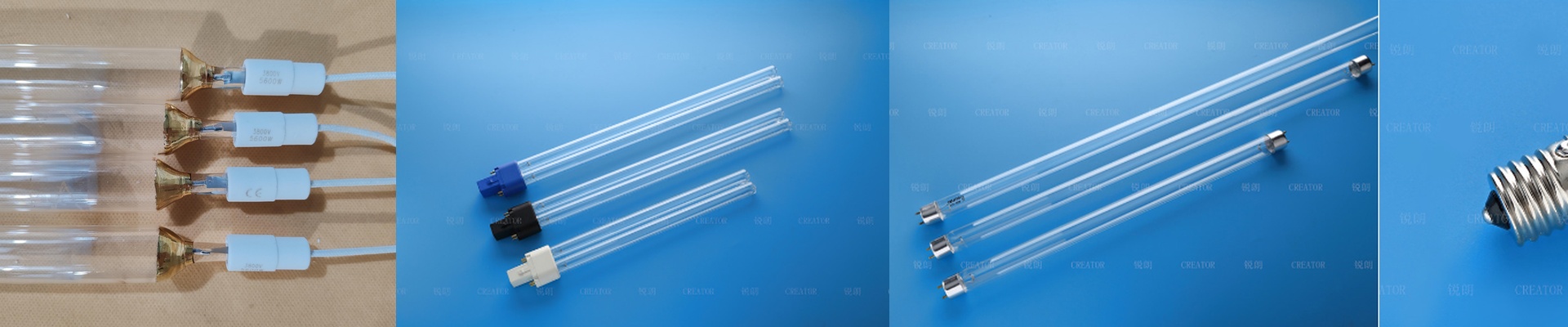
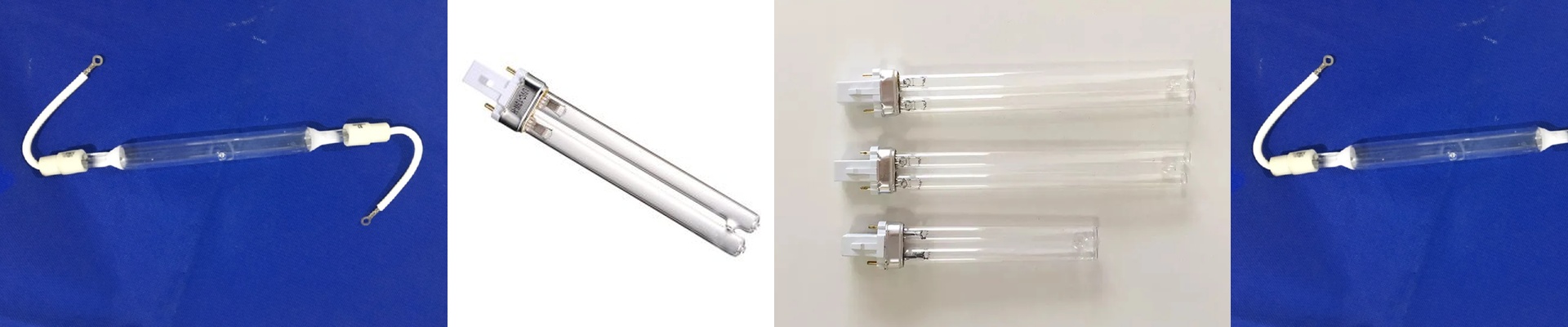
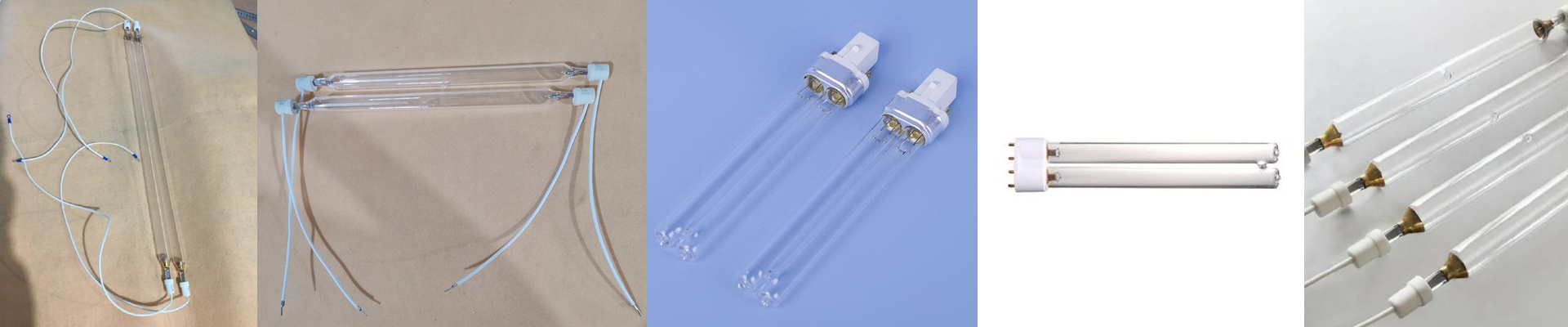
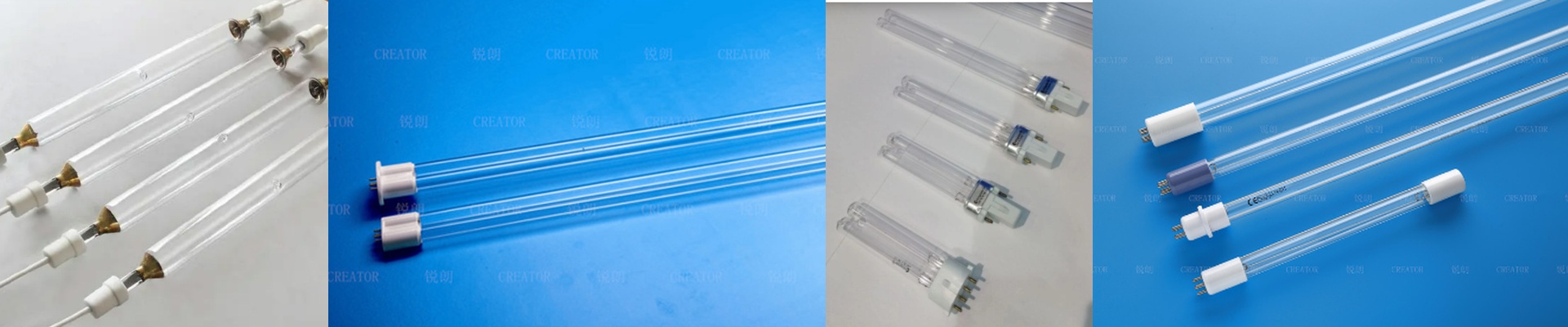
On a press line, a lamp dying mid-run shuts down curing in a heartbeat. Ink stays wet, the substrate starts to jam, and the schedule is suddenly in the red. We build replacement UV lamps for printing presses to stop that chain reaction—and we prove it before the lamp ever leaves our shop.
What matters, technically
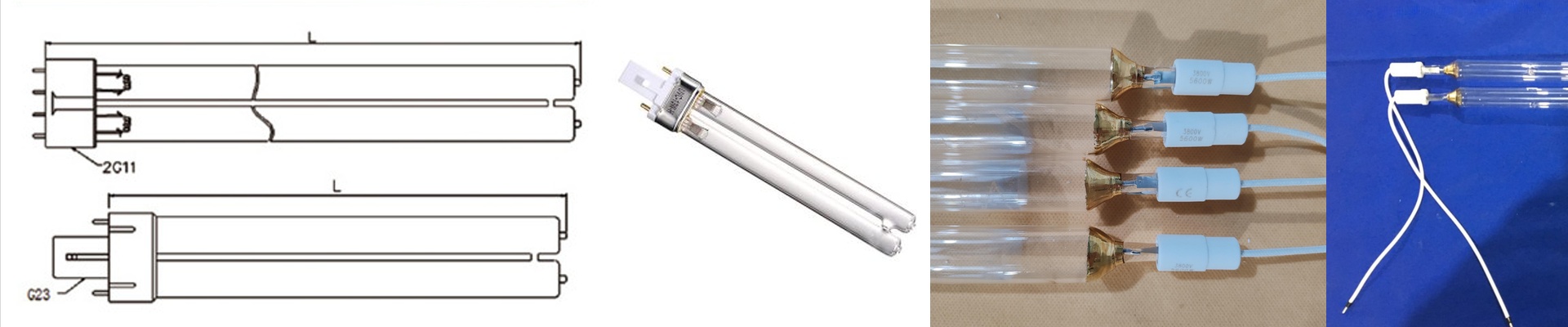
A printing-press UV lamp is more than just a light source. It’s a curing subsystem that has to deliver stable spectral output and repeatable energy density. Our mercury-vapor lamps are built to hold consistent peak irradiance right where the photoinitiators absorb—centered around 365 nm, with broad-band UV behind it for surface cure and through-cure. We specify the quartz envelope and reflector geometry to keep dose uniform across the full substrate width. And we match arc length, power density, and terminal/connector setup to the retrofit points you see on most press models.
Why it holds up in real production
Every lamp we ship does a two-hour, full-power burn-in under load. This isn’t a cosmetic check. It surfaces early failure modes—electrode conditioning drift, envelope leakage, connector heating—before the lamp hits your floor. The payoff is predictable startup behavior: you install the lamp, set your cure parameters, and the press runs without chasing lamp ramp-up or inconsistent cure. That repeatability cuts waste and keeps color and adhesion stable, which matters when you’re running high-speed offset, flexo, or screen with UV inks.
What you need to get right
Match the lamp to the reflector and to the power supply. If you run a lamp outside its rated voltage and ballast profile, you shorten electrode life and shift spectral output—and that changes cure depth. Confirm arc length, wattage, and connector compatibility for your press. And verify reflector condition: pitting and oxidation knock down irradiance more than most teams expect. You can count on stable output for thousands of hours, but plan maintenance around end-of-life so you don’t get blindsided by downtime.