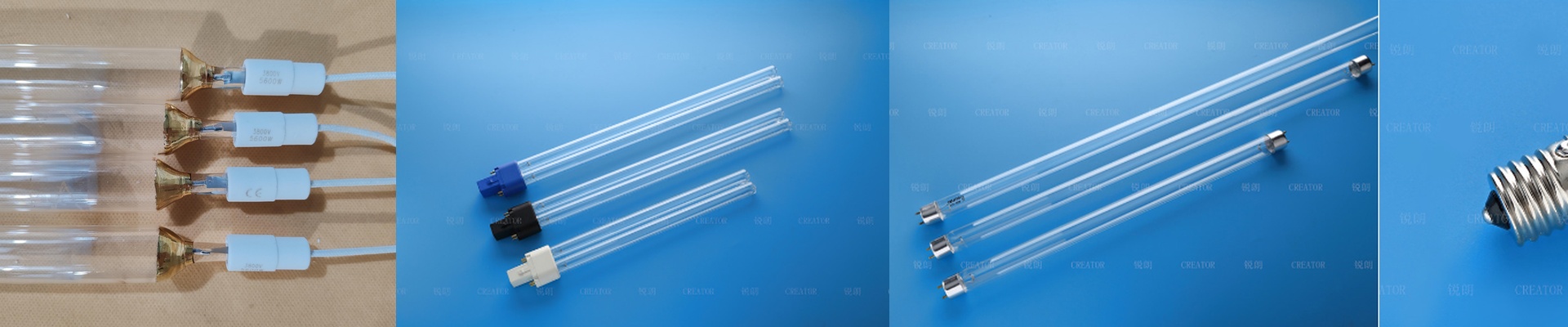
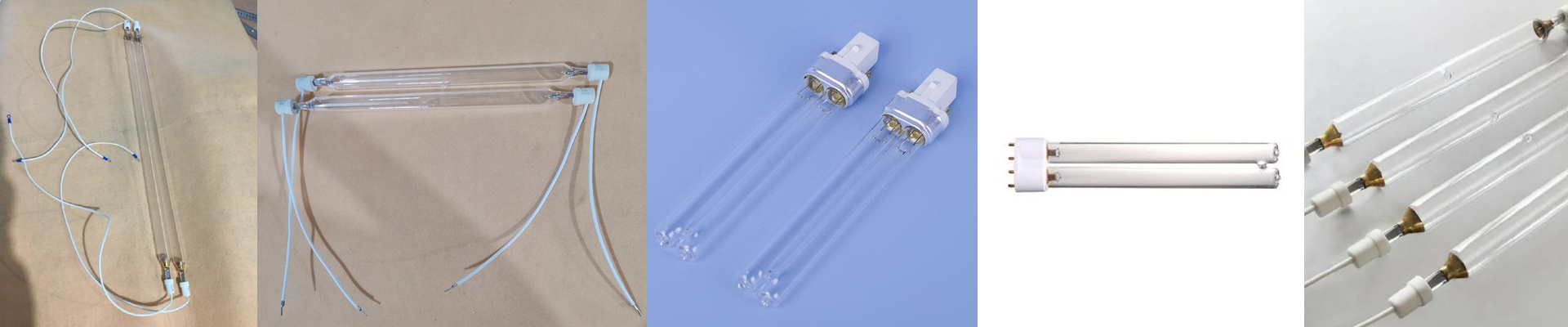
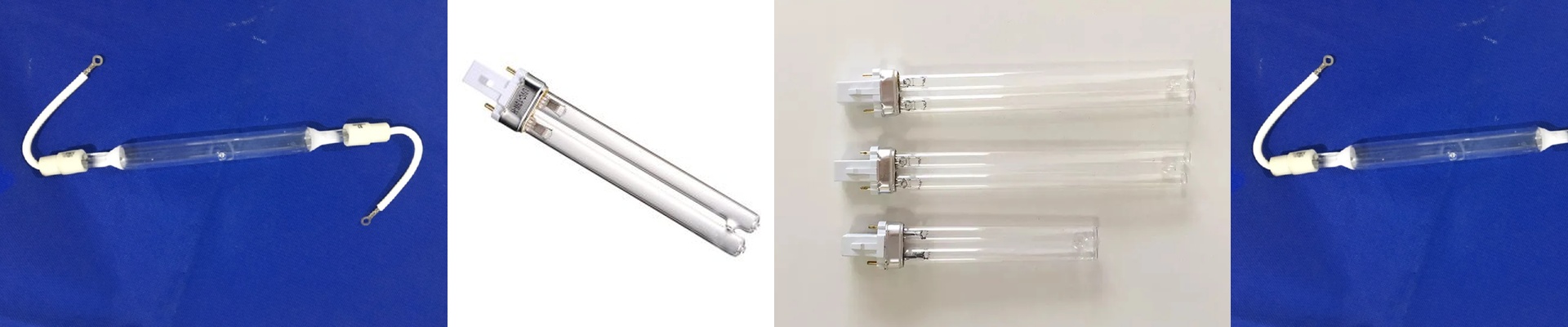
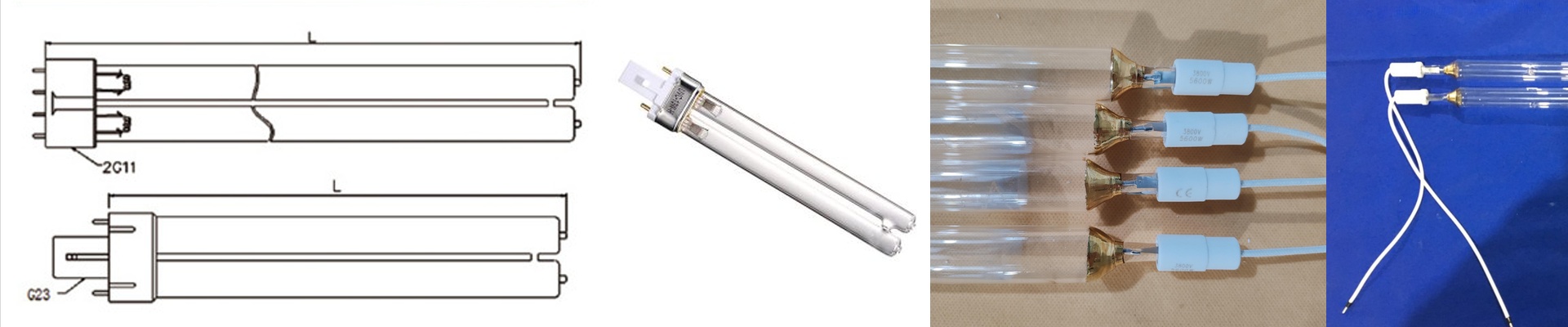
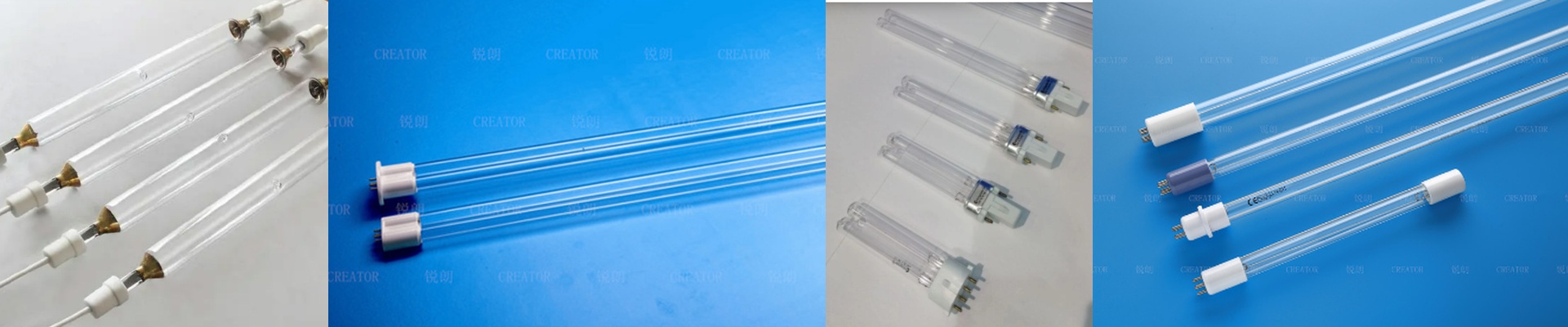
On the line, the coater doesn’t have time to wait around for a lamp to “warm up.” If UV intensity drifts between shifts, cross-linking falls apart—tacky edges, soft topcoats, and a heap of rework. In furniture coating, the lamp isn’t just a light. It’s a process controller. The real question isn’t whether it cures. It’s whether it cures the same way at 9 a.m., 3 p.m., and after 3,000 hours.
What actually matters, technically
When I design UV lamps for furniture coating, I lean on three hard, measurable realities: spectral output, peak irradiance, and stable delivered energy over time.
- **Spectral output.**Most furniture coatings are built around mercury emission lines, with strong absorption near 365 nm and useful response across 385–405 nm. A high-pressure mercury vapor lamp throws a broad, high-intensity spectrum that lines up with photoinitiator windows in clear coats, pigmented lacquers, and 2K topcoats. The payoff is curing through the full film thickness, not just a surface skin.
- **Peak irradiance.**Curing is kinetics. Peak irradiance—measured in mW/cm² at the substrate plane—sets how fast radicals propagate and how quickly the coating finishes cross-linking before it leaves the cure zone. Higher irradiance shortens exposure time, which keeps line speed up and heat load under control.
- **Energy density.**Delivered dose in mJ/cm² integrates irradiance and exposure time. If you raise irradiance, you can hold the same dose at higher line speed. If lamp output is low, you either slow the line or live with under-cure.
- **Reflector efficiency.**The reflector focuses UV from the arc into a tight cure window. A dichroic coating reflects UV while transmitting IR, so the substrate gets more photons and less heat. That matters on wood and composites that will warp if you push them too hot.
- **Lifespan and stability.**Lamps age. Electrode erosion, fill gas changes, and envelope degradation cut output. I aim for minimal drop over life because stability is what keeps scrap and re-calibration down. A lamp that starts strong and stays strong keeps your process capability honest.
- **Ozone management.**High-output mercury lamps can make ozone in air. Ozone-free designs—using ozone-destruct envelopes or external ozone converters—protect operators and simplify ventilation.
Why this fits furniture coating
Furniture lines run fast, and they often stack multiple layers—primer, filler, color coat, clear—each with different pigment loading and film build. The lamp has to handle the variation without forcing you to throttle back. High-pressure mercury lamps deliver the irradiance needed to push cure through thick films and pigmented layers. In practice, you can cure a 40–60 g/m² clear coat at 30–60 m/min without solvent flashing, and you can set dark base coats without the bottom staying soft. The broad spectrum makes sure photoinitiators throughout the film get enough photons to finish cross-linking. Stability matters because the lamp is part of your SPC. When irradiance is steady, you set a dose window once and trust it day after day. I’ve seen units run 5,000+ hours with less than 5% output drop under controlled conditions. That means fewer line stops, fewer rejects, and planned lamp replacement instead of panic. Energy and cost aren’t just about electricity. A lamp that holds output over life keeps rework low. A reflector system that puts UV where it needs to be cuts wasted photons and lowers substrate heat load, which can reduce cooling and ventilation demands. For outdoor work like advertising canvas, the curing step is the anchor for durability. The lamp’s job is to drive full cross-linking so the ink film locks in chemically. Once fully cured, the ink stack can be tested against weathering standards. In my experience, with a properly formulated UV-curable ink and enough dose to drive full conversion, outdoor stability can hit 3–5 years in many environments, and longer in milder climates. The lamp gets the ink to that state; pigment choice and topcoat protection then set the final fade resistance.
The details you need to get right
Matching a UV lamp to your line isn’t just about wattage. It’s geometry, integration, and conditions.
- **Integration.**The lamp has to fit the cure zone width, the distance to the substrate, and your line speed. Too little irradiance and you under-cure. Too much and you overheat thin substrates while wasting energy.
- **Cooling.**Water cooling is standard for high-power lamps. Flow rate, temperature stability, and water quality all affect lamp temperature, output, and life. If cooling isn’t steady, irradiance won’t be either.
- **Substrate temperature.**Wood and composites have limits. Use IR transmission control and proper air management to keep the substrate surface temperature inside the coating’s cure window.
- **Lamp replacement planning.**Even with stable output, lamps don’t last forever. Schedule replacements around maintenance windows so you don’t get a sudden irradiance drop. Keep a spare on the shelf.
- **Ozone handling.**If you run high-output mercury lamps in a tight space, verify ozone handling and ventilation. Ozone-free designs make compliance easier, but airflow still needs to be engineered. If you’re printing or coating outdoors on canvas, the same lamp principles apply. Full cross-linking is step one for weather resistance. Spec the lamp to deliver the required dose at your line speed, and the ink system will do what it was designed to do. If you want to map irradiance, dose, and lamp life to your exact line speed and coating build, we can run the numbers together. Bring your substrate, your coating or ink datasheet, and your target cycle time. We’ll set the lamp to match your process, not the other way around.