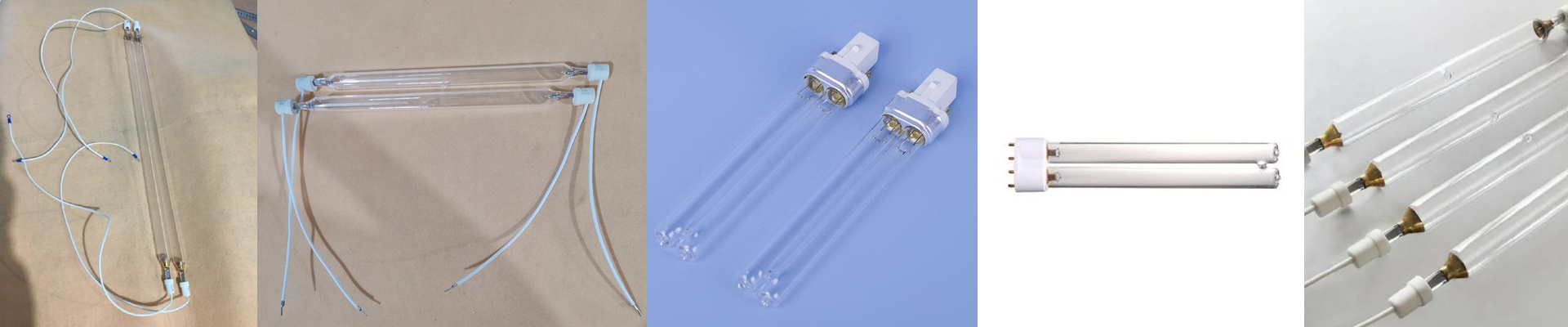
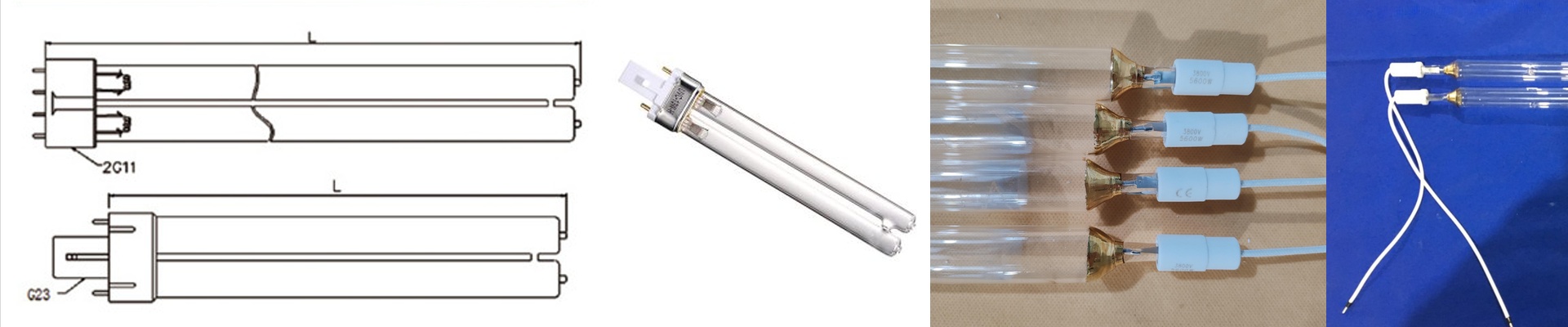
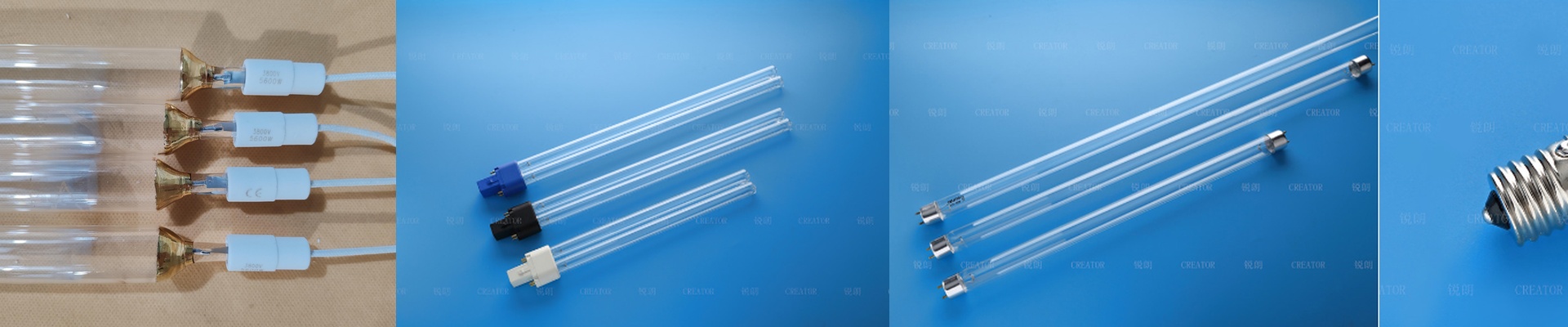
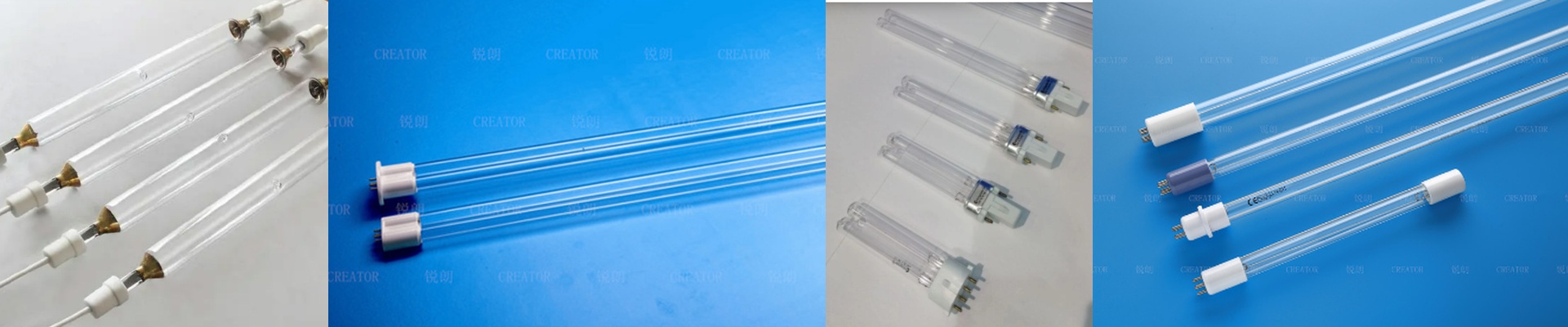
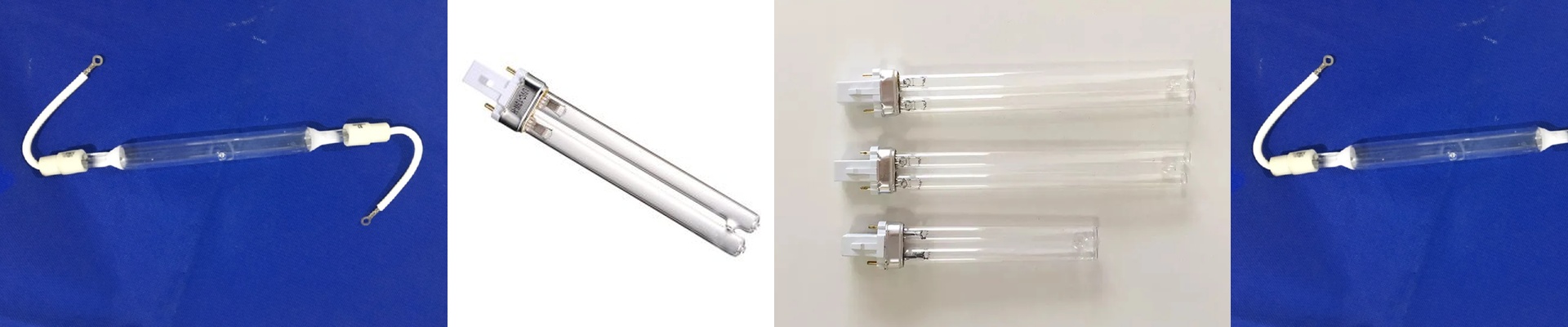
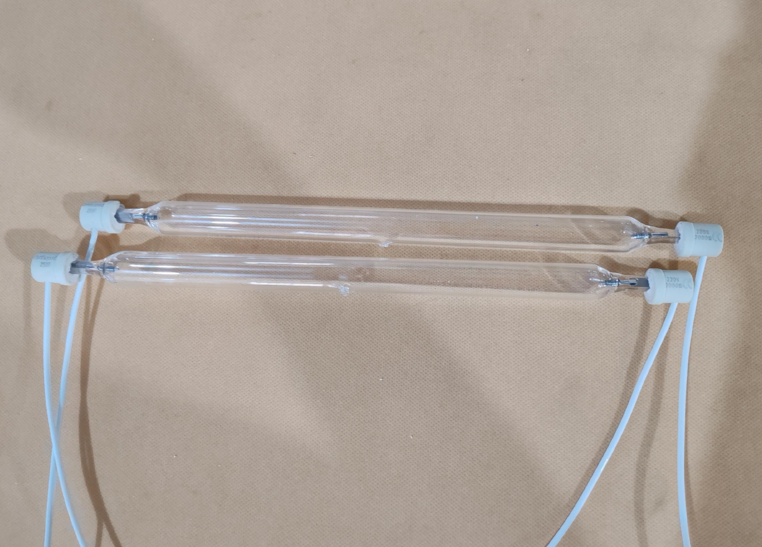
On the press, sticky prints are almost never just an ink problem. They’re usually a lamp telling you it’s nearing end-of-life—spectral output dropping, peak irradiance degraded. When the photoinitiator doesn’t get the photons it needs, cross-linking stalls and the surface stays tacky. Before you start tweaking ink ratios, look at the lamp. What matters under the hood We built this UVC germicidal lamp around a stable low-pressure mercury vapor discharge, tuned to deliver repeatable 254 nm output. That wavelength hits microbial DNA, keeping the curing environment clean so your photoinitiator chemistry isn’t fighting contamination. The integrated timer locks in consistent exposure windows, so cycles stay the same and operator variance drops out. Output is measured in mJ/cm² across the working distance, and the reflector geometry is shaped to keep intensity uniform across the web. Why this matters on the press In UV offset, flexo, and screen, consistent cure comes down to spectral distribution, dose, and dwell. If your current lamp is on the decline, the photoinitiator sees fewer usable photons, and cross-linking falls short. This UVC system restores baseline sanitation and repeatability, so the ink cure profile behaves the way it was formulated. You’ll see fewer rejects, stable surface hardness, and run speeds that stay predictable. Here’s what to get right on install Match lamp length, arc gap, and terminal orientation to the fixture. Check the reflector—if the dichroic coating is worn, replace it. If you don’t, you’ll bleed intensity. Make sure the power supply matches the lamp’s ignition and operating voltage. Treat UVC output as a controlled process variable. Keep interlocks in place, wear the right PPE, and never look directly at the lamp.