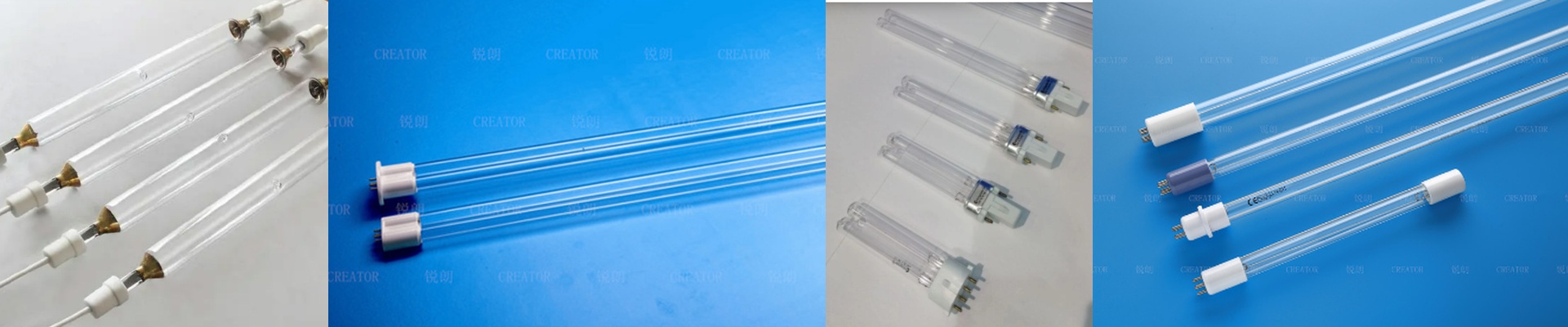
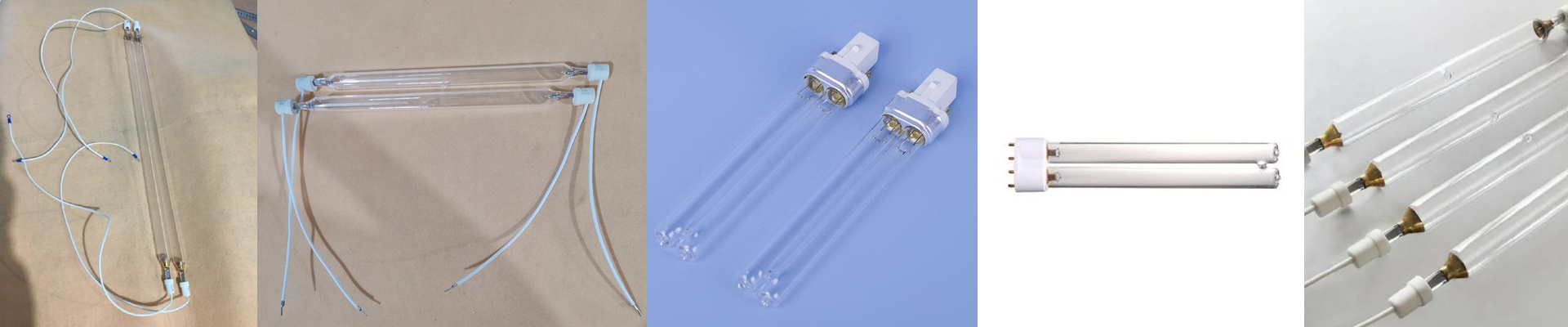
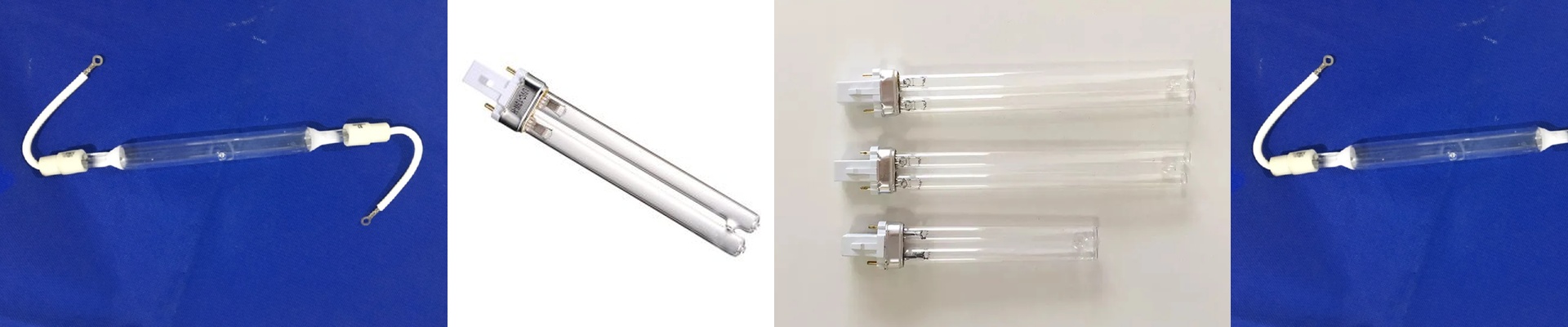
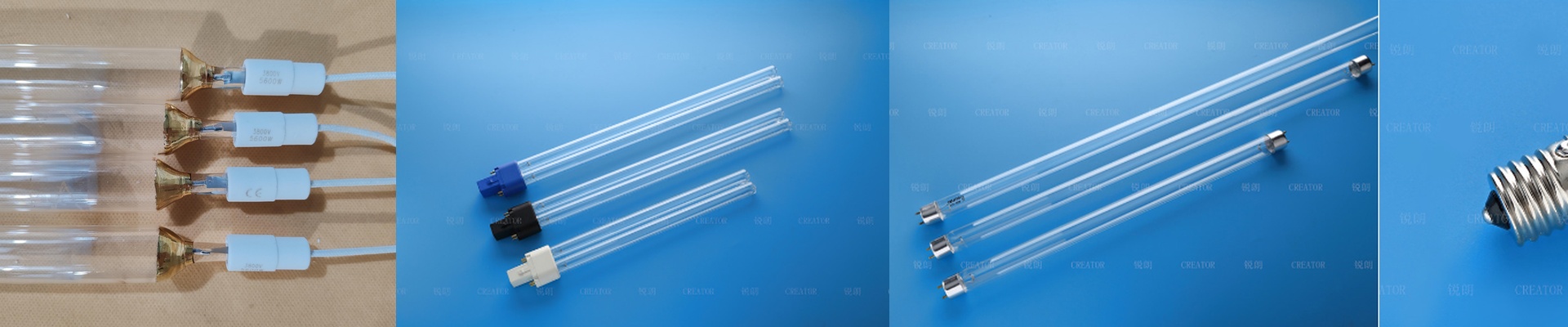
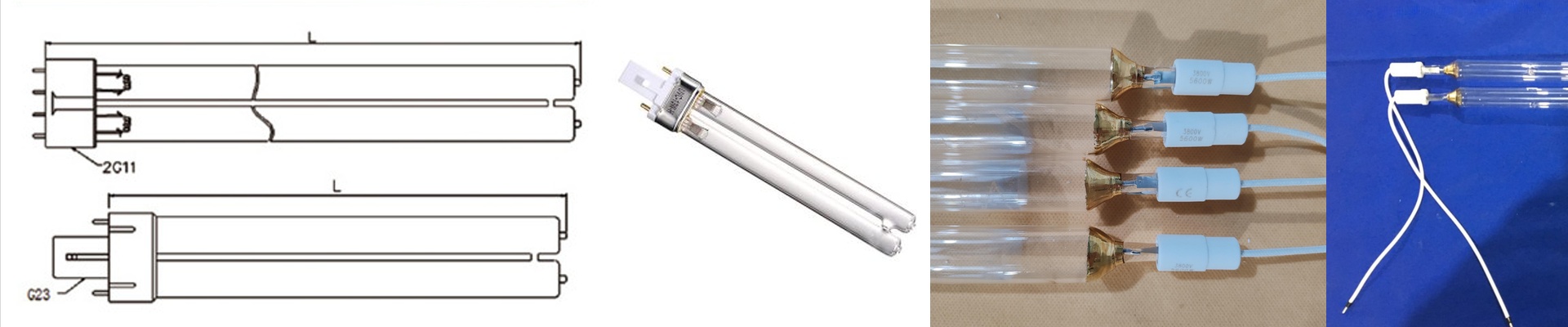
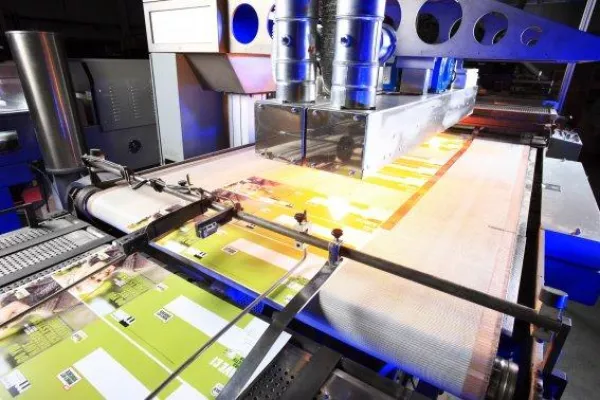
On the floor, the press is running and the stack of cured sheets is building—until it isn’t. You start seeing ink that’s still tacky on the back of the pile, adhesion problems on coated stock, or a warm stack that stays soft hours later. In UV curing, that’s not a “quality issue.” It’s an energy-density shortfall, and it usually comes down to a mismatch between the lamp’s spectral output and the photoinitiator package in the ink. If you’re a wholesale buyer or a private-label builder, your brand’s credibility rides on uptime and repeatability—what your lamps deliver, day after day. That’s where quartz UV lamp tubes earn their keep. They’re engineered as the core curing module for OEM configurations: consistent spectral output, stable irradiance across the arc length, and a form factor that drops cleanly into existing UV systems for offset, flexo, screen, and other industrial printers.
What matters under the hood: quartz construction, spectrum, and curing metrics you can measure
A quartz UV lamp tube isn’t just a light source. It’s a controlled radiator, and its output profile decides whether a UV ink cures through and through. The envelope material is where the engineering starts. High-purity quartz is chosen because it transmits strongly in the UV band and handles the thermal shock of repeated ignition cycles. Every restrike slams the tube with a thermal gradient—quartz takes it without cracking and holds output stability far longer than lower-grade envelopes. Inside the tube, the arc is a mercury vapor discharge. Depending on the fill and doping, you get distinct spectral lines, with strong output around 365 nm and additional energy in the 385–405 nm region. Many modern UV inks are tuned to those wavelengths, but the exact blend of short-wave and medium-wave UV determines the balance between surface cure and depth cure. A lamp can be “bright” and still be spectrally wrong—leaving you with a dry skin and a wet core. Here are the performance drivers you can specify and measure:
- Wavelength and spectral profile: 365 nm drives cross-linking for many photoinitiators; 385–405 nm supports through-cure and can improve cure on thick films and pigmented layers. We can adjust spectral emphasis by tweaking the fill formulation and coatings so the output matches the ink chemistry you actually run.
- Peak irradiance (mW/cm²): This is instantaneous intensity at the substrate. High peak irradiance breaks the oxygen inhibition barrier and locks the surface fast—essential on high-speed presses.
- Energy density (mJ/cm²): Delivered energy equals irradiance × exposure time. This number predicts whether the ink film hits the dose needed for full cross-linking. If your energy density is low, you’ll get residual tack—no matter how “hot” the lamp feels.
- Arc length and reflector system: The tube length and reflector geometry define the uniformity window. A mismatched arc length gives you a hot spot in the middle and weak ends, and that shows up as inconsistent cure across the sheet.
- Lamp life and output stability: Output decay is inevitable; the rate is what matters. We design for stable output over thousands of hours and define end-of-life by a measurable drop in irradiance, not an arbitrary calendar limit.
- Ozone management: Standard quartz tubes generate ozone at shorter wavelengths. We offer ozone-free variants using special coatings and envelope treatments to keep the shop safer and cut maintenance headaches. For private-label brands, the point is control. You don’t want a generic lamp that “fits.” You want a lamp whose spectral output, irradiance, and energy density are engineered to your press speed, lamp-to-substrate distance, and ink system.
Why it works in practice: OEM brand building with a curing core that matches real presses
The wholesale market is full of promises, but the only promise that holds up on press is repeatable curing under known conditions. If you’re building your own UV lamp brand through OEM services, your product has to match the equipment your customers already run. That means specifying quartz UV lamp tubes around the real constraints of the press bay:
- UV offset: Sheetfed offset presses run fast with intermittent exposure patterns. You need curing that locks the surface immediately to prevent set-off, then finishes cure while the sheets stack. Lamps tuned for strong 365 nm output and high peak irradiance support that rapid surface cure. Reflector design and arc length must align with sheet width and dwell time under the lamp.
- Flexo: Flexo presses run continuous webs and thin ink films. The curing window is tight, and irradiance has to be uniform across the full repeat width. Energy density must be enough for through-cure without overheating thin substrates. Shifting spectral emphasis toward 385–405 nm can improve cure depth on pigmented films and reduce residual odor.
- Screen: Screen printing lays down thick films that need deep cross-linking. A lamp with a balanced UVA profile and adequate energy density cures through the full film thickness, helping prevent cracking and improving adhesion. Arc length and reflector uniformity matter—without them, you’ll see pinholes and edge inconsistencies.
- Other industrial UV applications: Coating lines, label presses, and specialty equipment all have their own lamp-to-substrate geometry and speed profiles. The quartz tube has to be specified to match the dwell time and required dose, not the other way around. With OEM and brand authorization, you get to own the performance story:
- White-label ready: The lamp carries your branding, not ours. Documentation, labeling, and packaging are aligned to your identity.
- Engineered to your spec: We tune lamp parameters—spectral emphasis, power density, arc length, and connector interface—to the machines you support.
- Repeatable results: When your customers swap lamps, they should see the same cure profile, the same adhesion, and the same running temperature as before. That repeatability is what builds trust. For your customers, that means fewer rejects, less downtime, and predictable energy consumption. For you, it means a brand that stands on measurable performance, not marketing noise.
What you need to get right: compatibility, installation, and real-world operation
Quartz UV lamp tubes are tough, but they aren’t plug-and-play across every system without attention to detail. Here’s what matters in practice.
- Printer and system compatibility: Lamps must match the ballast, igniter, and reflector assembly. Same connector type and pinout doesn’t guarantee the same arc characteristics. We size the lamp to the existing system so the ballast sees the correct electrical load and the reflector delivers the expected irradiance profile.
- Lamp-to-substrate distance: Irradiance drops off with distance. If the distance increases—due to a mechanical change or a thicker substrate—energy density falls. You can tune the lamp for higher output, but the system geometry has to stay stable.
- Cooling and operating temperature: UV lamps run hot, and quartz envelopes need controlled cooling. Inadequate airflow or water cooling leads to overheating, which shortens lamp life and can shift spectral output. Make sure the cooling path matches the lamp’s thermal envelope.
- Power supply and ballast matching: A lamp that’s mismatched to the ballast can underperform, cycle, or fail early. We coordinate the electrical spec so the lamp operates within its rated current and voltage range.
- UV intensity measurement: Don’t guess. Use a calibrated radiometer to measure irradiance and energy density at the substrate plane. Track those numbers over lamp life so you replace based on performance, not just hours.
- One practical trade-off: High-purity quartz gives you strong UV transmission and thermal resilience, but it’s more sensitive to contamination and handling than some alternatives. Fingerprints, oils, and dust on the envelope create hot spots and cut output. Wear clean gloves during installation and keep the tube surface clean. It’s a small habit that prevents premature failure. If you’re ready to build your own UV lamp brand, start with the component that decides whether the job runs or stops: the quartz UV lamp tube. Specify it with the same rigor you apply to ink, substrate, and press settings, and your customers will see the difference—measured in sheets, not slogans.