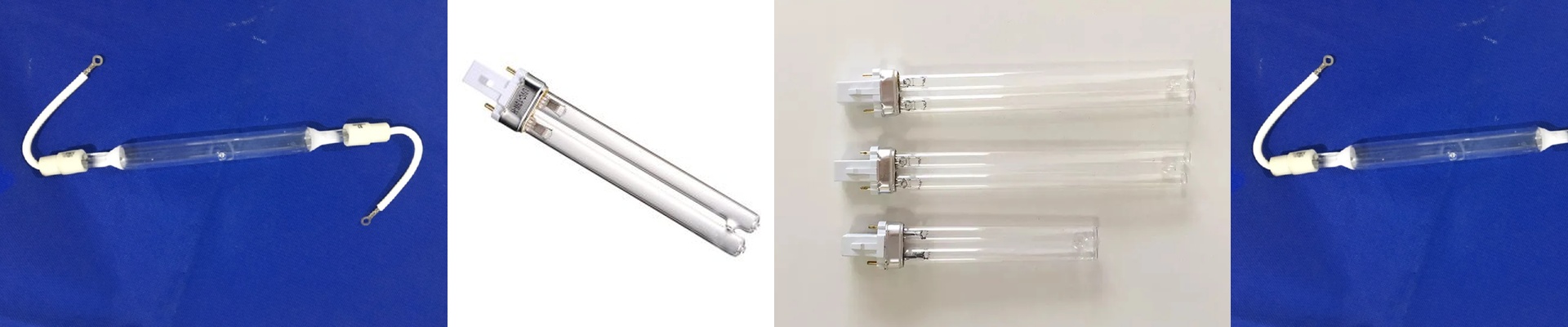
Dealing with Electrical Noise in High-Pressure Mercury UV Systems
High-pressure mercury lamps are the heavy lifters of industrial curing. But let’s be honest: when you cram them into a tight production line, things can get messy. If you’re running a facility with several large printing presses humming away at once, your electrical environment is basically a storm. You’ve got massive motors and frequency converters throwing electromagnetic interference (EMI) back into the grid. It’s noisy. And that noise causes problems.
Why your lamps flicker (and why it matters)
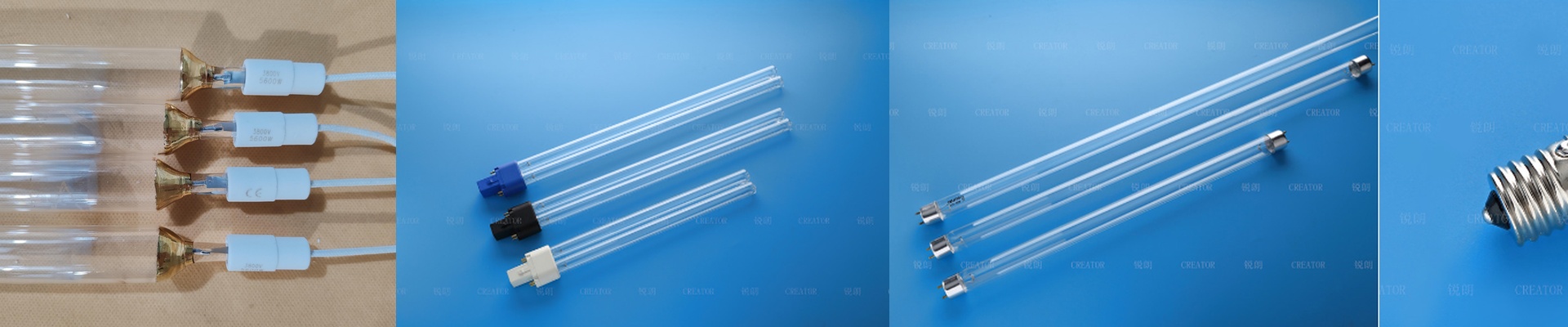
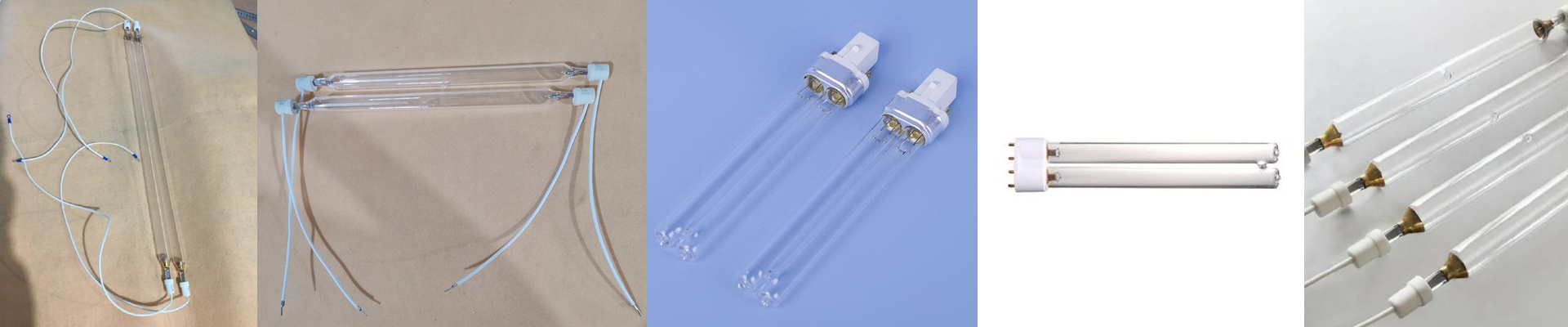
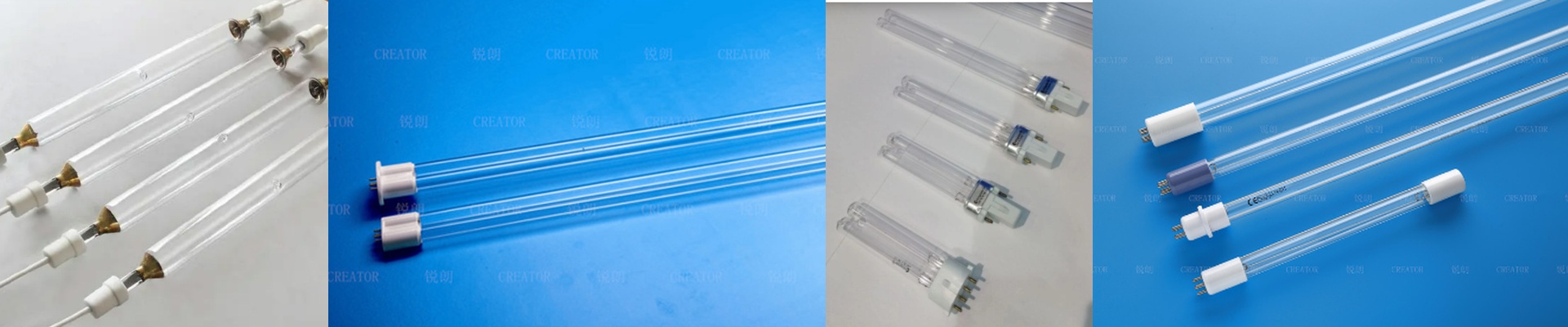
Here is the thing about UV lamps: that arc inside the tube is incredibly sensitive. If the voltage jumps or dips, the arc feels it. When a few presses kick in at the same time, that electrical noise can shake the arc loose. You’ll see it as flickering, or worse, your lamps will just burn out way too soon. We tackle this by tightening the connection between the ballast and the lamp. We also use high-grade quartz envelopes. It helps the plasma discharge stay steady, even when the power coming from the wall is a bit “dirty.”
Keeping things steady under pressure
We designed the 2026 series specifically for these high-interference zones. The secret is in the impedance matching. We make sure the lamp and the power supply are perfectly in sync so the lamp doesn’t “hunt” for a stable voltage. It makes a huge difference. Your curing speed stays locked in across the whole web. No more annoying, uneven curing patterns because a lamp’s output dipped for a split second. It just works.
The catch: Heat
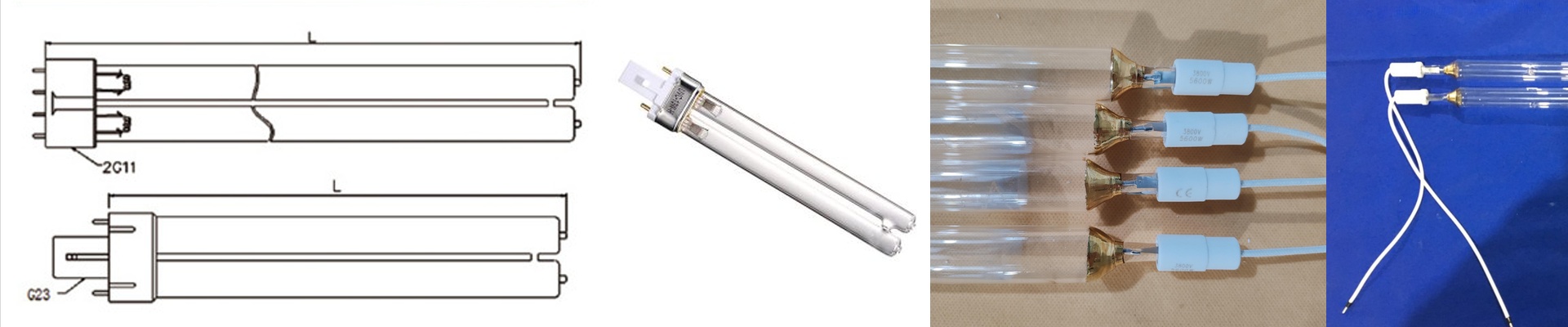
There is a trade-off, though. More stability and higher pressure mean more heat. These lamps push out a ton of UV, which puts a lot of stress on your cooling system. If your exhaust fans are clogged or your chiller is too small, the lamp is going to overheat. Once that happens, the quartz starts to degrade. You’ve got to make sure your cooling can actually handle the wattage. Otherwise, you’re just cutting your lamp’s life short. Swapping in a replacement lamp is the easy part. But if you’ve got ten presses running in one room, the EMI shielding is what actually keeps your line moving.