Building a Mercury UV Lamp That Actually Lasts (And Doesn’t Trash the Planet)
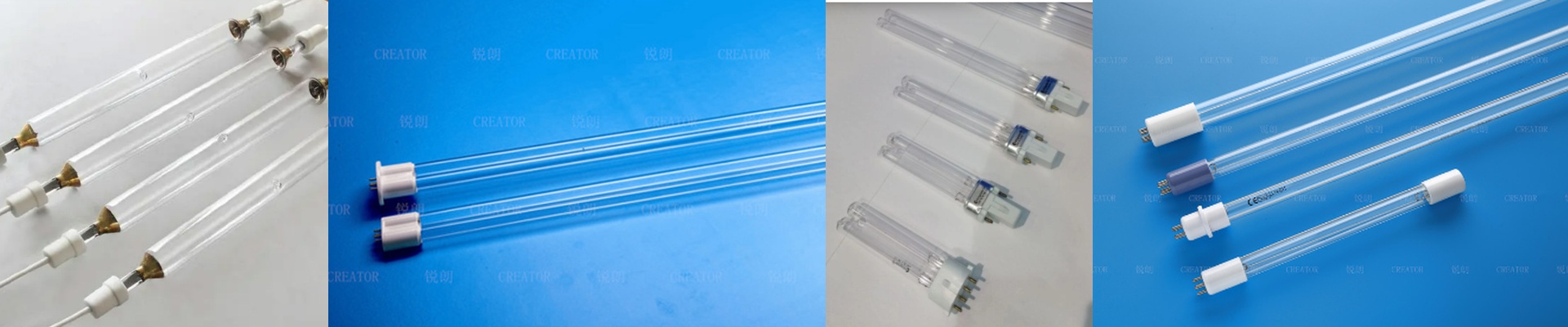
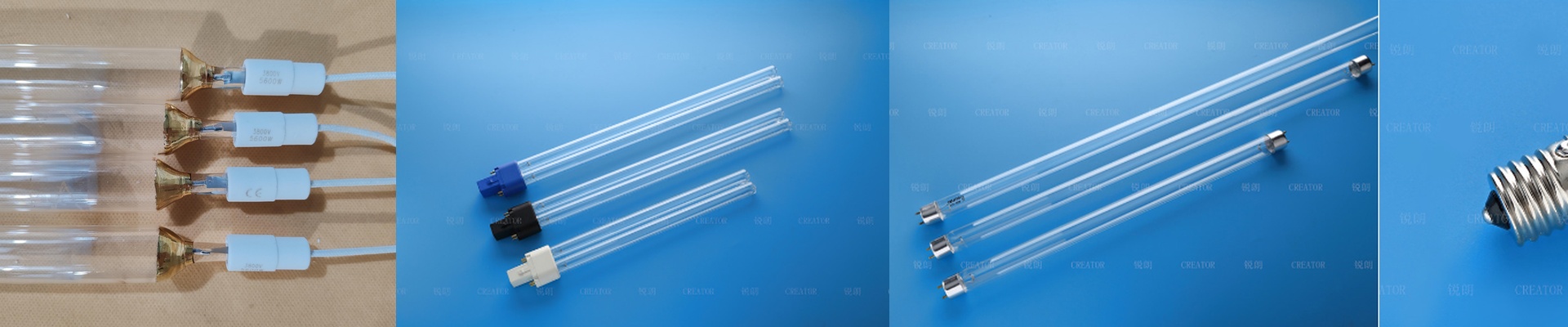
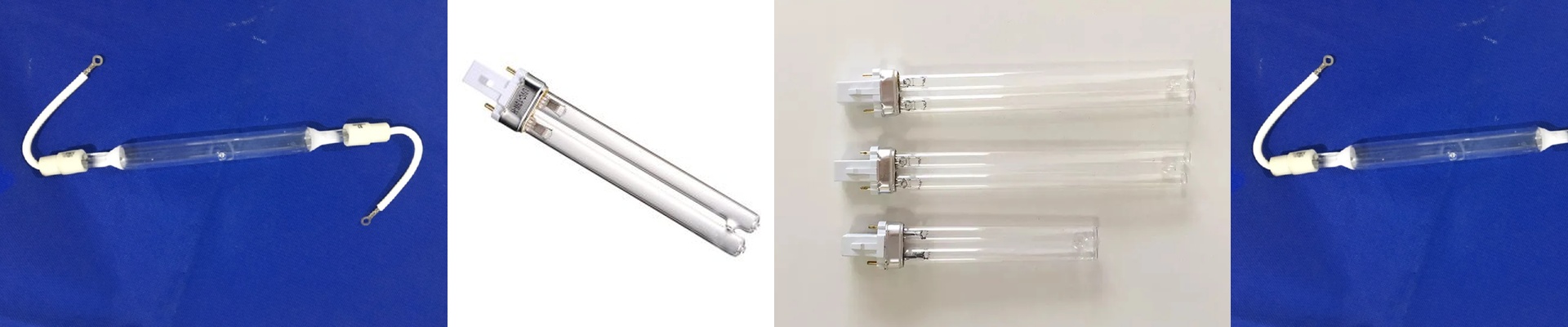
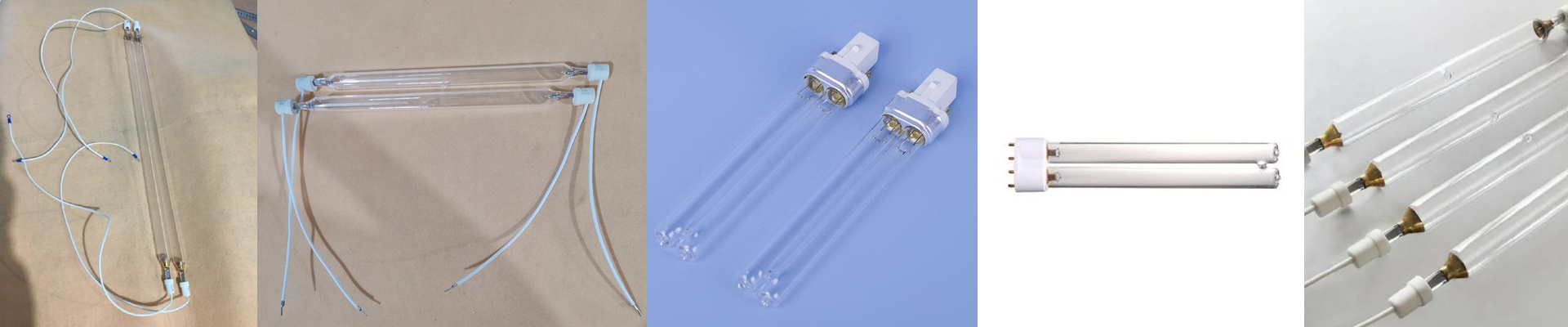
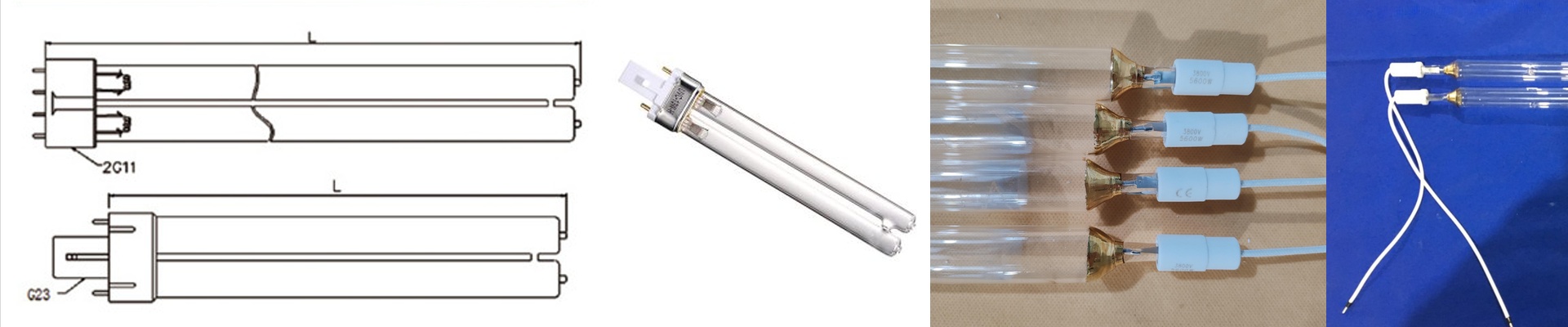
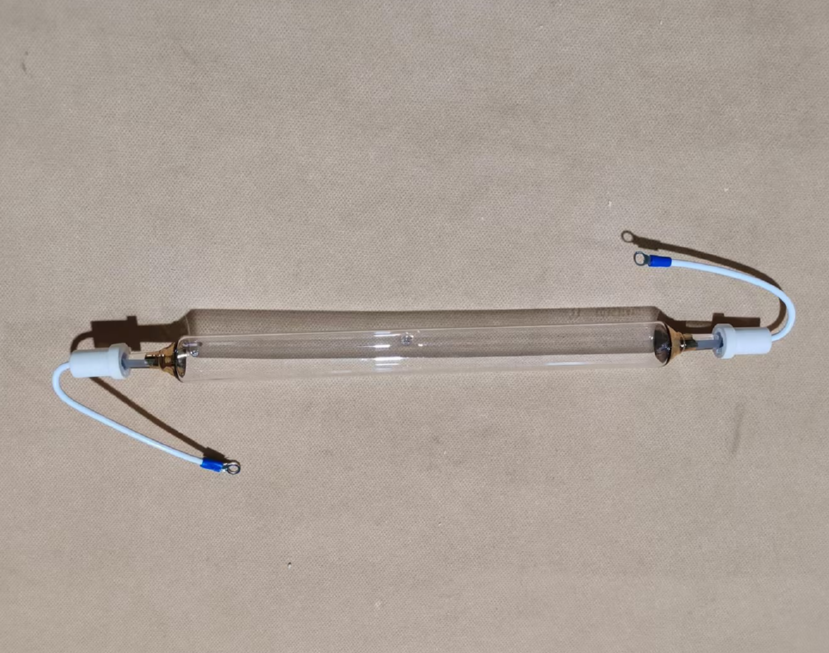
Most UV lamps are built for a quick sprint. They blast out a ton of light right away, but they burn out fast. We decided to stop chasing those short-term peaks and focus on the long haul instead. If we wanted to hit zero-pollution targets, we had to rethink the whole thing—from the materials we use to the way the lamp actually breathes. Why these don’t just “go dark” Here’s the thing about most tubes: they get cloudy. It’s called solarization, and it kills your UV output long before the electrodes actually quit. To stop that, we switched to high-purity synthetic quartz. We also tweaked the gas mix and the electrode shapes to stop metal from sputtering onto the inside of the glass. What does that mean for you? A much flatter decay curve. Your line speed stays steady. No more drifting, no more guessing, and no more constant adjusting as the lamp ages. The “Green” Side of Things We took a hard look at the housing and end-caps. Out went the hazardous additives. In came lead-free solder and alloys you can actually recycle. Now, full disclosure: eco-friendly materials can be a bit finicky with heat. They expand and contract differently than those old, toxic composites. We fixed this by adjusting the tolerances in the pinch seal, but you still need to be careful. If your gear vibrates a lot, just make sure your mounting brackets are tight. You don’t want stress fractures ruining a perfectly good lamp. Getting Them Running You don’t need to rip out your current setup. These are drop-in replacements. They’re the same size as the legacy tubes, so you can keep your current ballasts and reflectors exactly where they are. Simple. One quick tip before you flip the switch:check your airflow. These long-life lamps run a bit hotter to keep the plasma stable. If your cooling fans are choked with dust, you’re basically baking your electrodes. That’ll cut the life of the lamp in half. Keep the air moving, and these things will easily outlast your current cycle.