Introduction
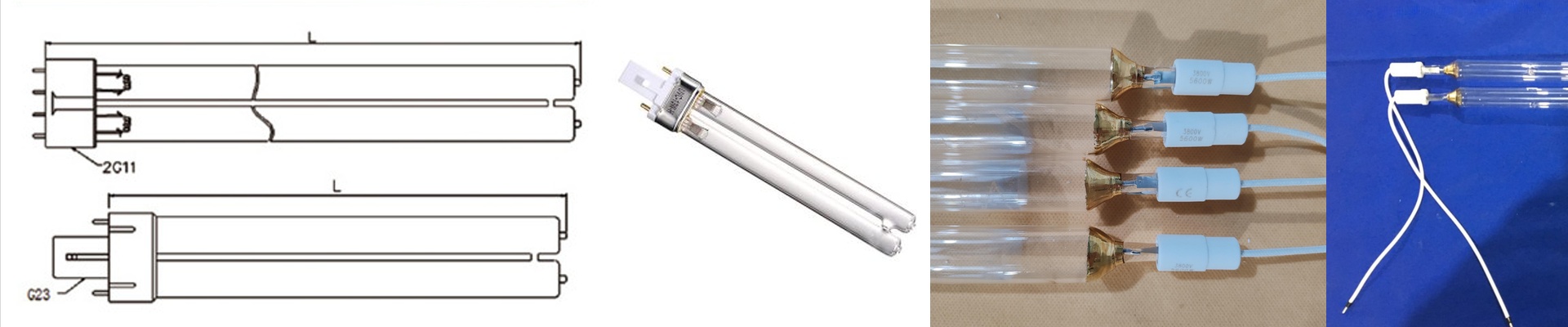
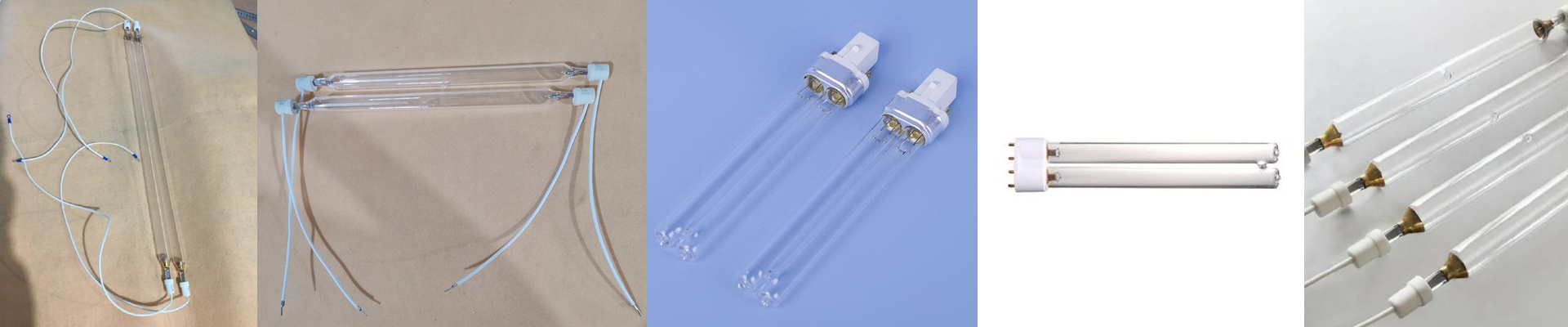
We built our standard 80W/cm mercury UV lamp to be the one you lean on—the workhorse that keeps industrial curing and heating moving, day after day. It’s the output you ask for when you need performance you can count on, line after line. And if you’re an OEM partner looking to sell under your own brand, this is the reliable core that makes that possible without starting from scratch.
Power, Voltage, and Output Density—Why It Matters
That 80W/cm rating isn’t a flashy label. It’s a real, calculated output density—the kind that directly affects how fast your ink or coating cures. To hit that density consistently, the lamp needs a stable power supply matched to its arc length. That’s how you keep the electrical side happy and avoid wearing out the electrodes too soon. In practice, it means you get steady heat and UV intensity across the whole active length. Your process stays predictable, and your window doesn’t drift.
Materials and Design: The Simple Stuff That Works
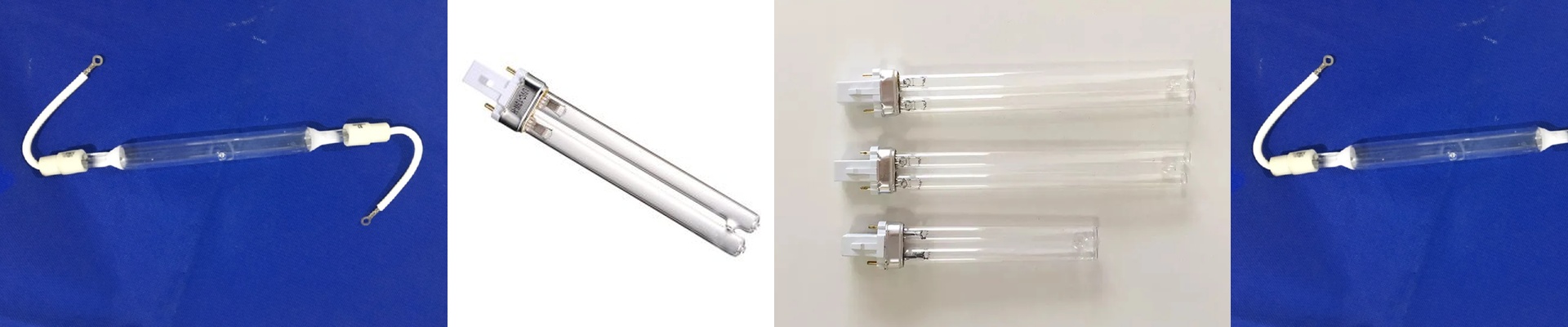
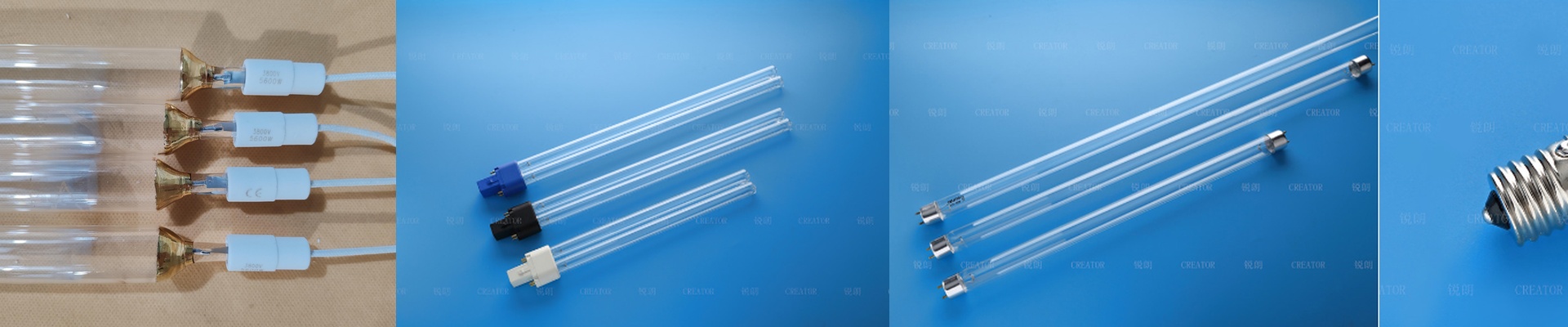
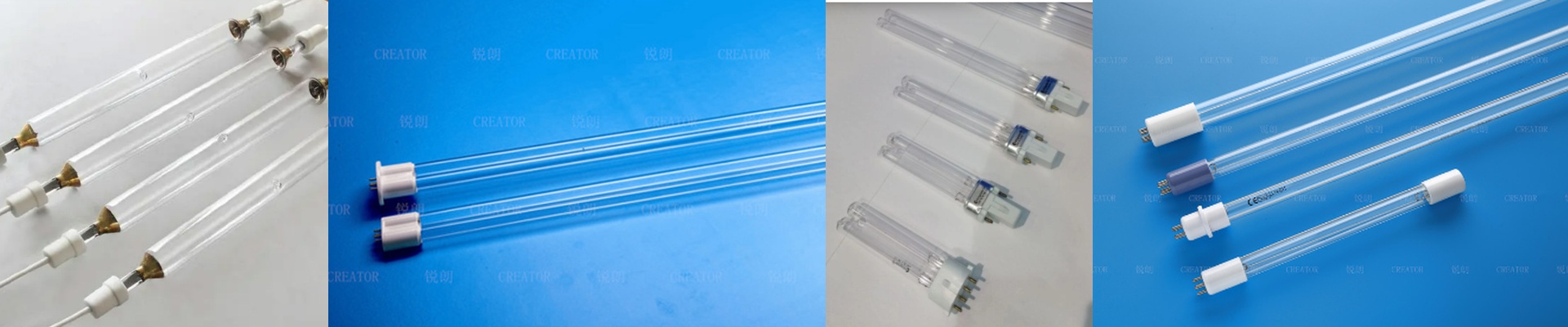
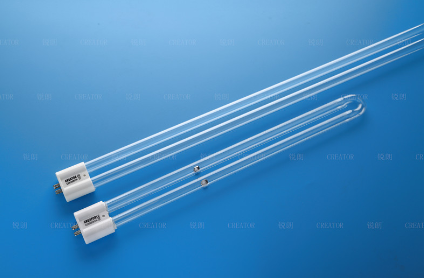
The envelope is quartz because it has to handle high heat, transmit UV, and take thermal shock without cracking. Inside, the mercury charge does the heavy lifting for UV output, while the internal electrodes keep firing reliably, cycle after cycle. We pair it with an R7s-style two-pin connector because it’s proven, compact, and quick to install—and it stays solid even when the equipment is vibrating. And the best part? It’s a straight, drop-in replacement. No rewiring. No re-engineering. You swap it in and get back to work.
Built for the Shop Floor—And Ready for OEM Branding
This setup is made for industrial duty: curing coatings, adhesives, and other processes where consistent energy density matters. If you’re an OEM, we supply the lamp as a standardized core with private-label options. You get to put your name on a proven product, without having to reinvent the chemistry or the ignition spec.
The Reality Check: Power Means Heat
Here’s the thing—80W/cm brings serious intensity, and that means more heat. So your machine has to be built to manage it. Airflow, reflector geometry, and thermal isolation all play their part. When the cooling is properly designed, the lamp runs stable. Output stays predictable, and service life lines up with the normal replacement rhythm of industrial equipment.