Getting Your UV Curing Right: Why Custom Mercury Modules Actually Matter
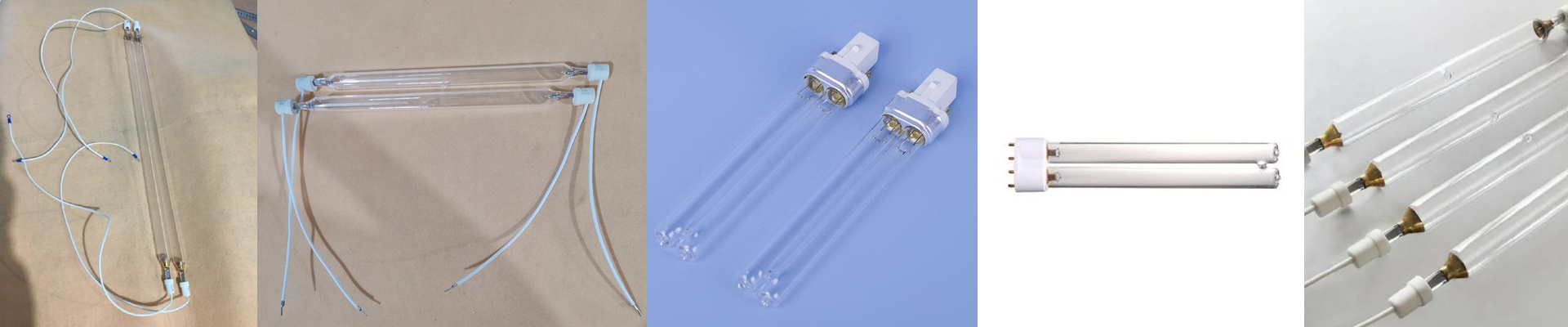
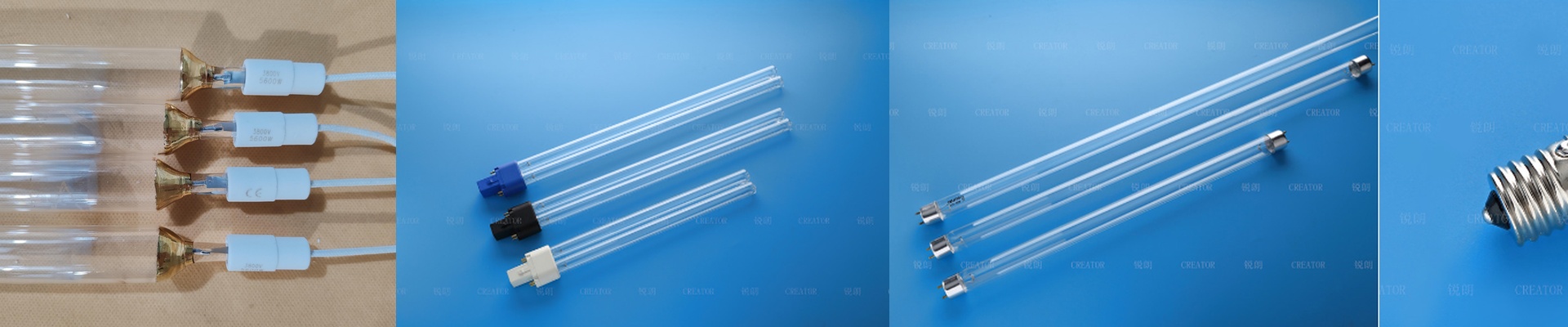
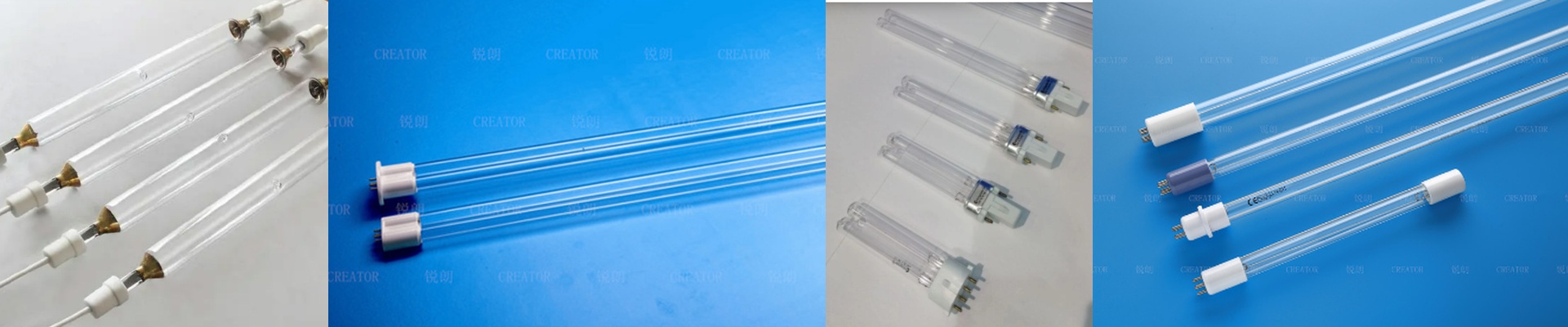
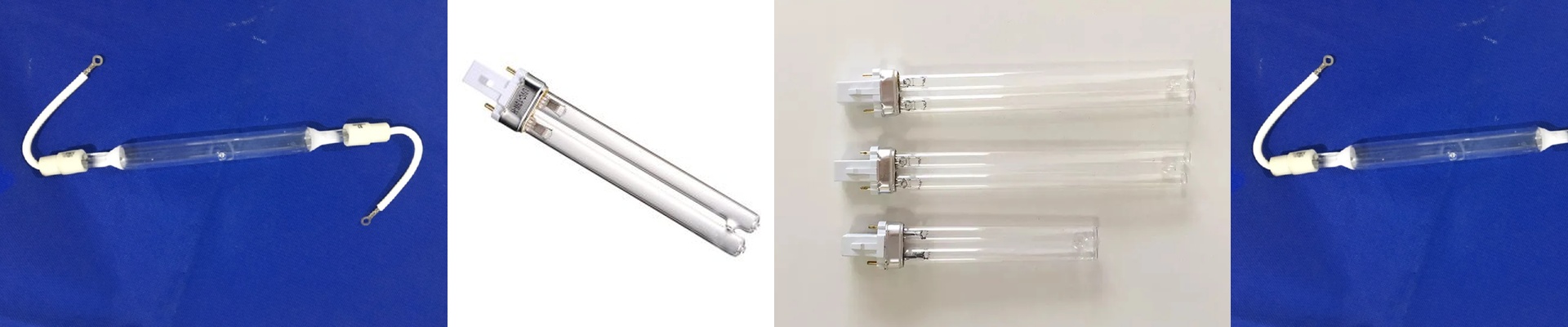
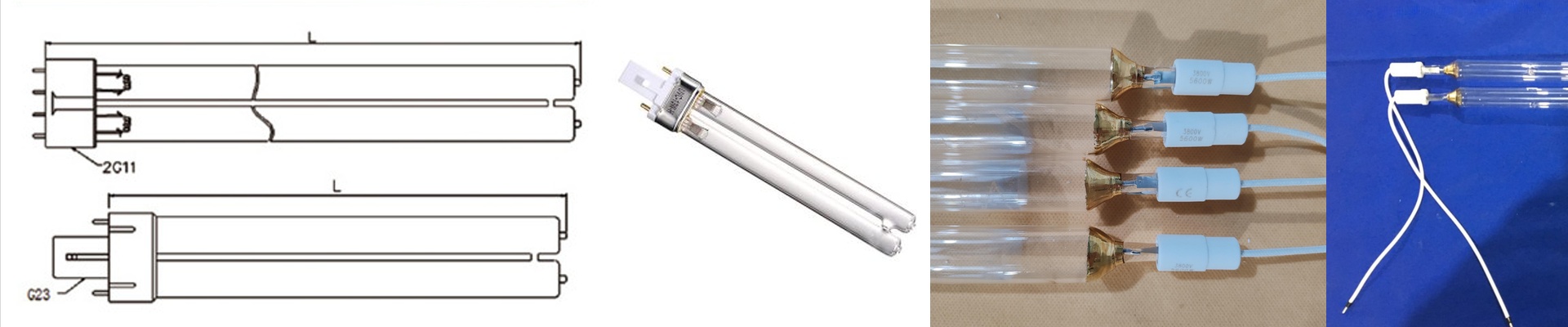
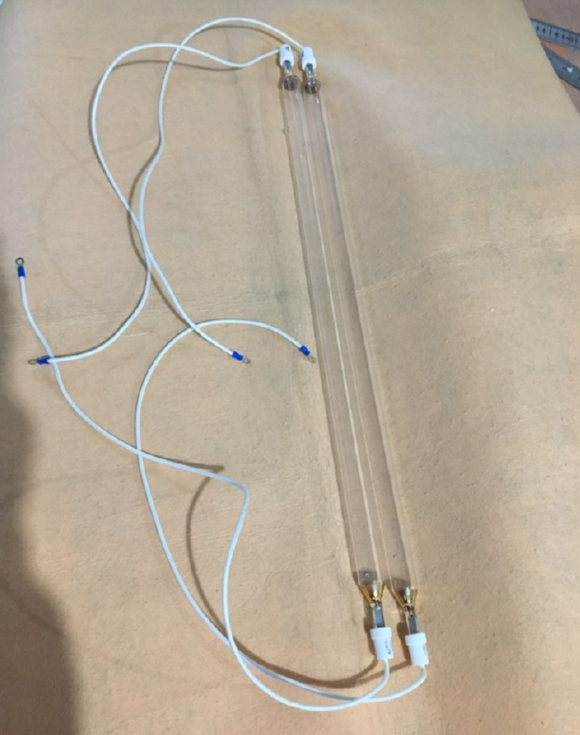
We spent some time at the 2026 Printing Expo showing off our custom mercury UV lamp modules. Now, these aren’t the kind of bulbs you just grab off a shelf and plug in. We build these specifically for people running industrial-scale prints who are dealing with tricky ink chemistries and speeds that would make a standard lamp give up. Here’s the thing about power. Most lamps fail because the power density just doesn’t keep up with how fast the line is moving. If you’re pushing a high-speed press, you need more wattage per inch. Otherwise, your substrate moves on before the ink actually cures. We spend a lot of time tuning the mercury vapor pressure inside the quartz to make sure you’re hitting the exact UV-C and UV-B peaks your photoinitiators need. It’s a bit of a science, but it’s what keeps the ink from smudging. But you can’t just crank up the power and call it a day. High-output lamps gethot. Like, really hot. If your cooling isn’t up to the task, that quartz tube is going to stress out and burn out way too fast. That’s why we build dedicated cooling channels right into the modules. We also obsess over the reflectors. We use high-purity aluminum to make sure every single photon actually hits the substrate instead of wasting away. Plus, we design the whole footprint to be a drop-in replacement. You swap it out, and you’re back in business without spending half the day on downtime. The real win here is getting rid of that annoying “tackiness” you see in thick-film printing. By playing around with the lamp length and where the electrodes sit, we kill off those cold spots on the web. You get a cure that’s uniform across the entire width of the print. No surprises. We also use industrial-grade connectors because nobody wants high-voltage arcs jumping to the chassis. It’s a pretty simple setup: wire it up, set your ballast, and keep an eye on your irradiance. Just a heads-up: these modules pull a lot of current. It’s the trade-off for that kind of power. Definitely double-check your electrical panel before you flip the switch.