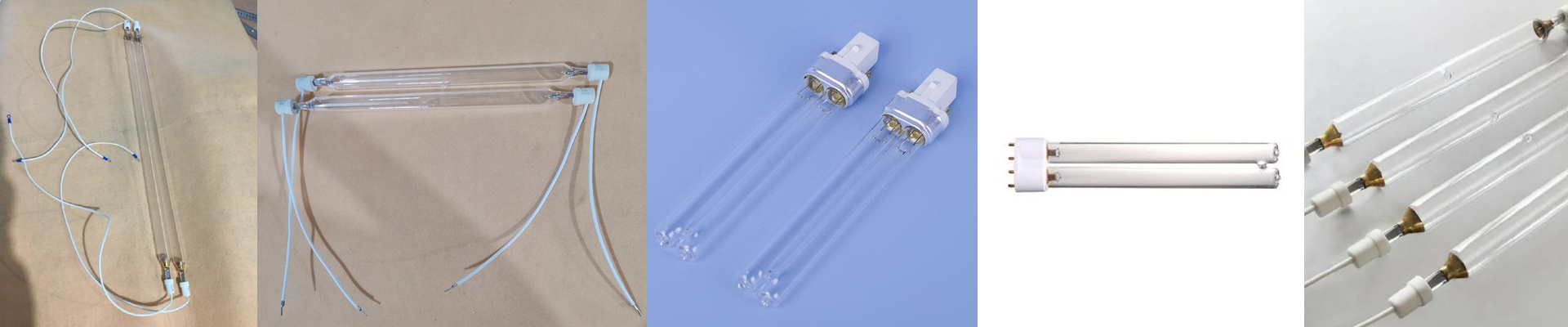
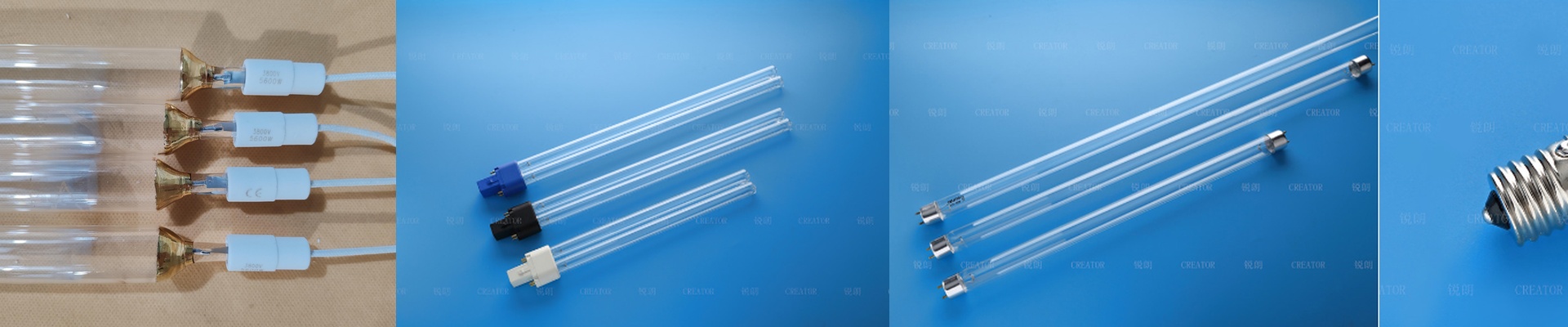
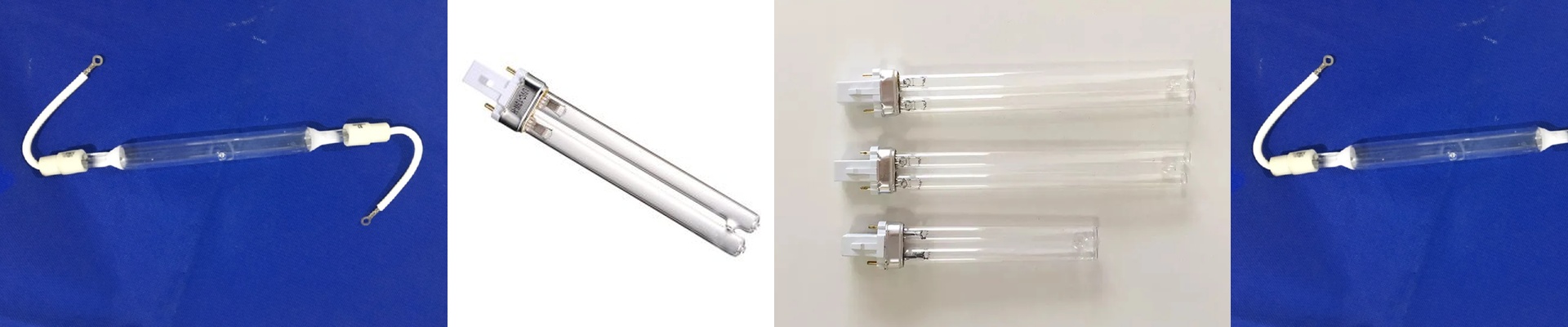
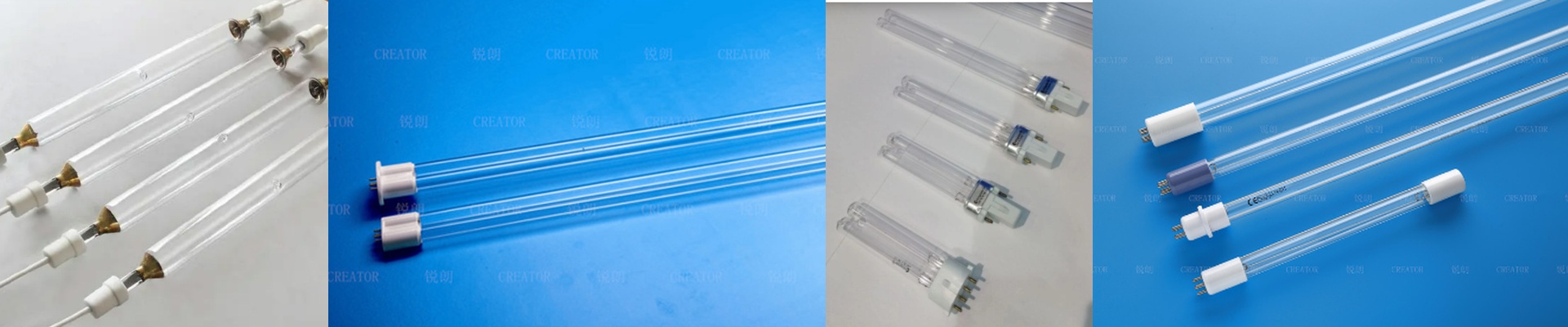
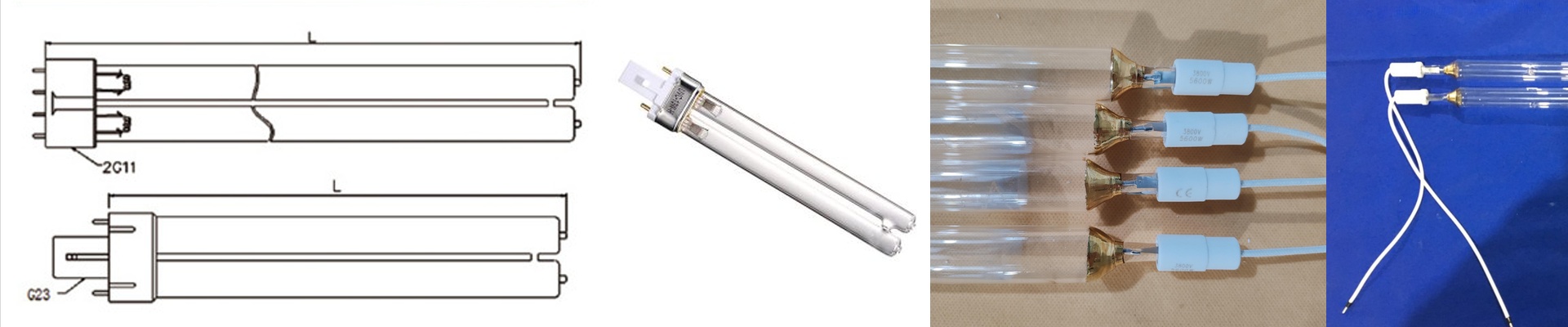
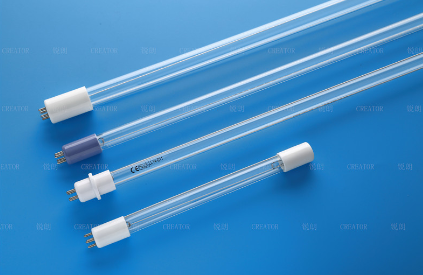
Getting Your UV Curing Right: The Truth About 120W/cm Mercury Lamps
Let’s be honest: most industrial mercury lamps are just “okay.” They get the job done, but they’re rarely consistent. You’ve probably seen it happen—you pull a part off the line and find those annoying “soft spots” where the cure just didn’t hit right. It’s a headache. That’s why we obsessed over the 120W/cm mark. We wanted to make sure that when you’re running a demanding production line, the power stays high and, more importantly, stays steady.
The Secret is in the Glass
Most lamps you buy off the shelf have what I call “energy drift.” The power fluctuates as you move down the tube. We spent a lot of time in R&D trying to kill that drift, and we managed to hit a 0.5% spectral energy concentration. What does that actually mean for you? It means the UV output at the very first centimeter is basically the same as it is at the very last. It sounds simple, but it was a pain to build. We had to tighten the tolerances on the mercury vapor pressure and get the quartz envelope wall thickness exactly right. If the glass is off by even a few microns, the heat shifts, and your output drifts.It’s a game of millimeters.
The Trade-offs (Because nothing is free)
Here is the catch: pushing 120W/cm creates an incredible amount of heat. You can’t just plug these into any old circuit and hope for the best. You’ll need a ballast that can handle the specific impedance of our mercury fill. If you don’t, you’re just asking for the lamp to burn out way too soon. And then there’s the cooling. Since these run so hot, your cooling system has to be spot on. If your airflow dips or a water loop gets a bit clogged, the quartz overheats. Once that happens, your spectrum shifts and your lamp’s lifespan plummets.Keep them cool, and they’ll keep working.
What Happens on the Floor
Once you get these wired in, you’ll notice something immediately. Because that 0.5% concentration is so tight, you can stop “over-curing” the edges just to make sure the center is done. You can actually speed up your line. These are drop-in replacements for your Standard high-output tubes, but the difference shows up in your QC checks. You’ll see a level of consistency across the entire width of your part that you just don’t get with standard gear. It just works.