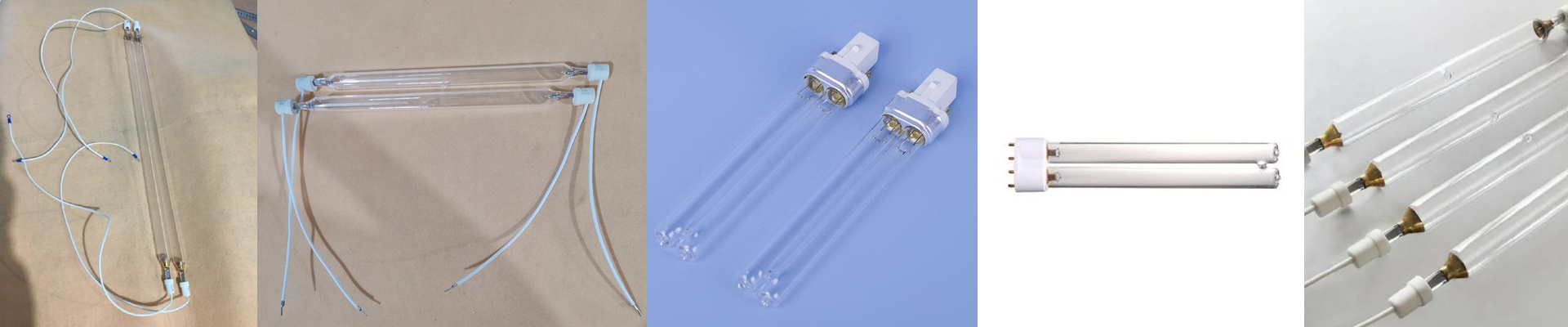
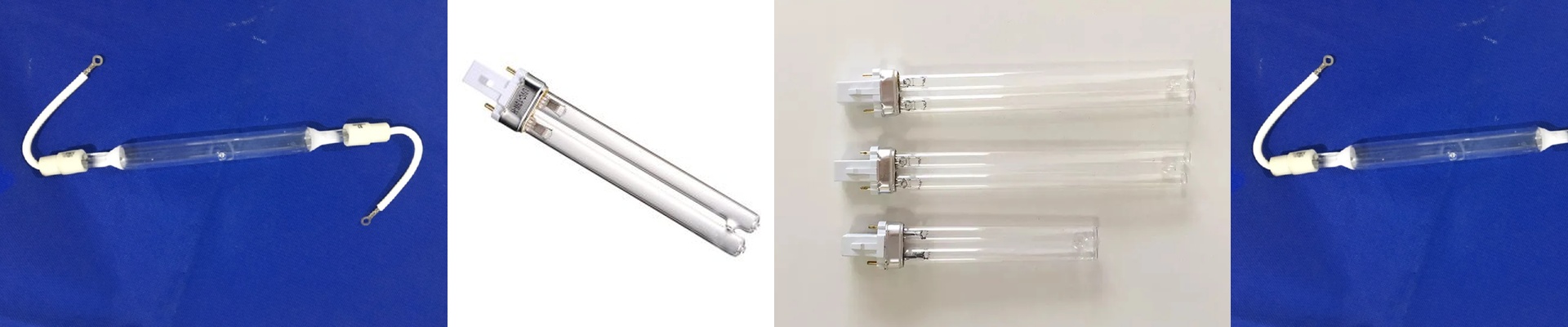
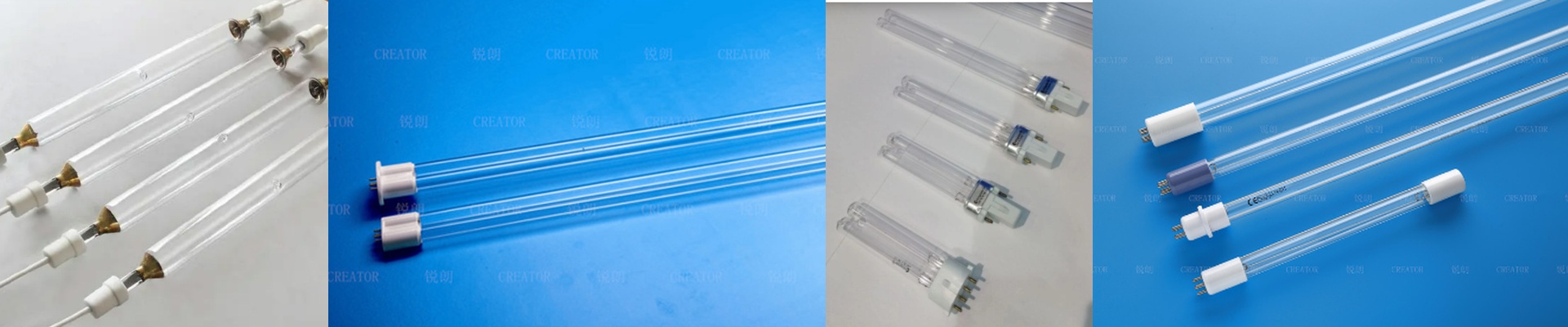
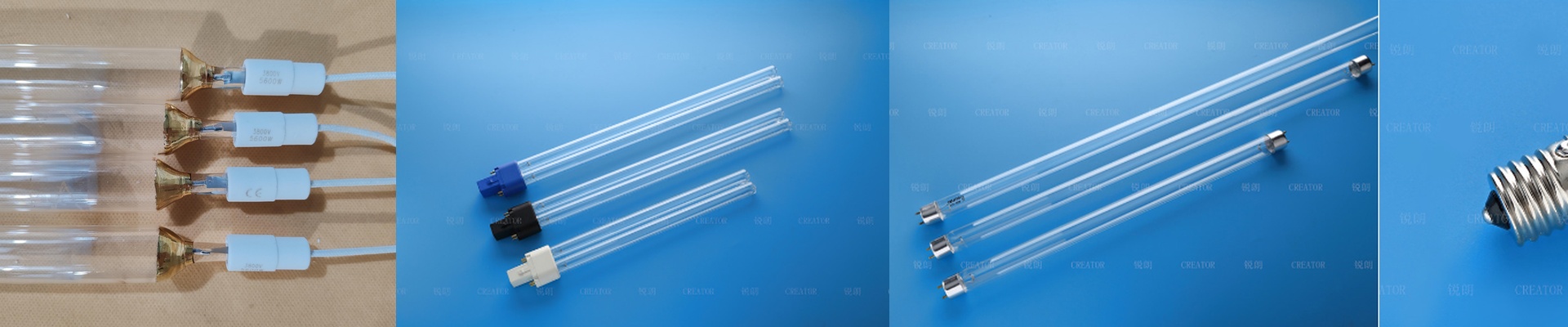
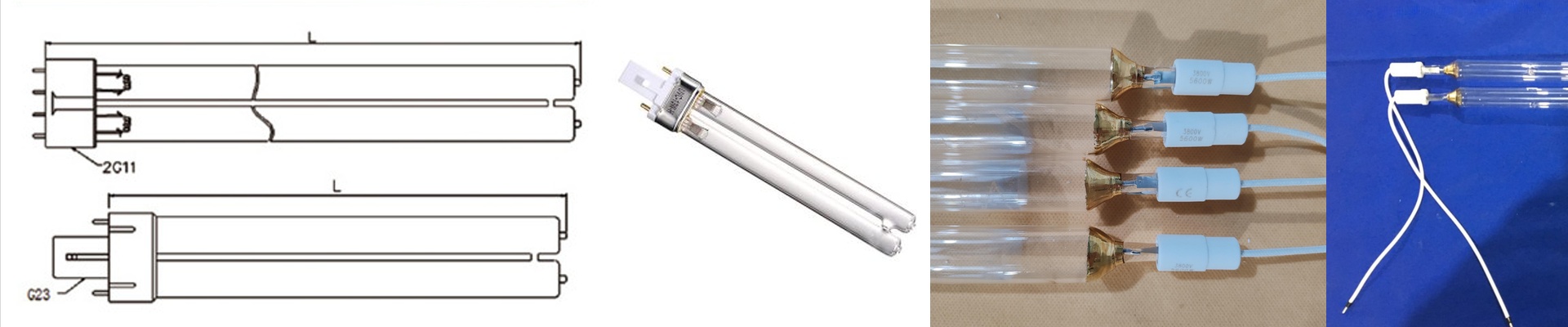
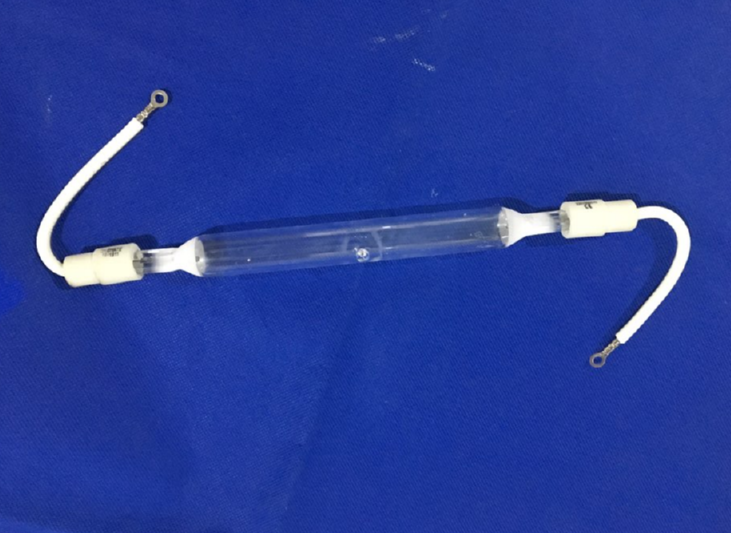
On an electronics printing line, a 10°C jump will warp a flex substrate or cook a sensitive IC. Standard UV lamps throw out brute intensity, and that heat quietly drives defects. We built this high-power UV lamp for sterilization work to deliver germicidal punch while keeping substrate temperature in check. What matters under the hood We run a high-pressure mercury vapor lamp with a stable 254nm germicidal line and a secondary 365nm line for ink cross-linking. Peak irradiance is calibrated to 120–150 mW/cm² at the web, and the spectral power distribution lines up with photoinitiator absorption in UV-curable inks. Power is adjustable in 1% steps, so you can dial energy density (mJ/cm²) without overdriving the lamp. Reflectors use dichroic coatings to pass IR and reflect UV, cutting radiant heat by 30–40% compared with bare-quartz reflectors. Output stays within ±2% over 1,000 hours, and lamp life is specified at 5,000+ hours with less than 5% output drop. Here’s why it works in precision electronics printing: you need sterilization-grade UV dose without thermal stress. With adjustable power, you can match line speed and ink thickness, so the curing window stays inside the substrate’s thermal budget. Fewer warp events. Consistent adhesion. Scrap comes down. You also use less energy because you only run the power you need, and fewer lamp changes mean less downtime. A few shop-floor details Installation needs a dedicated ballast and a thermal plan—airflow and lamp standoff distance have to be set to your machine’s geometry. Match the arc length and end-fit to your curing module; mismatched reflectors or connectors can drop irradiance by 15% or more. If ventilation is tight, verify ozone-free operation.