Why “Generic” UV Lamps are a Massive Gamble
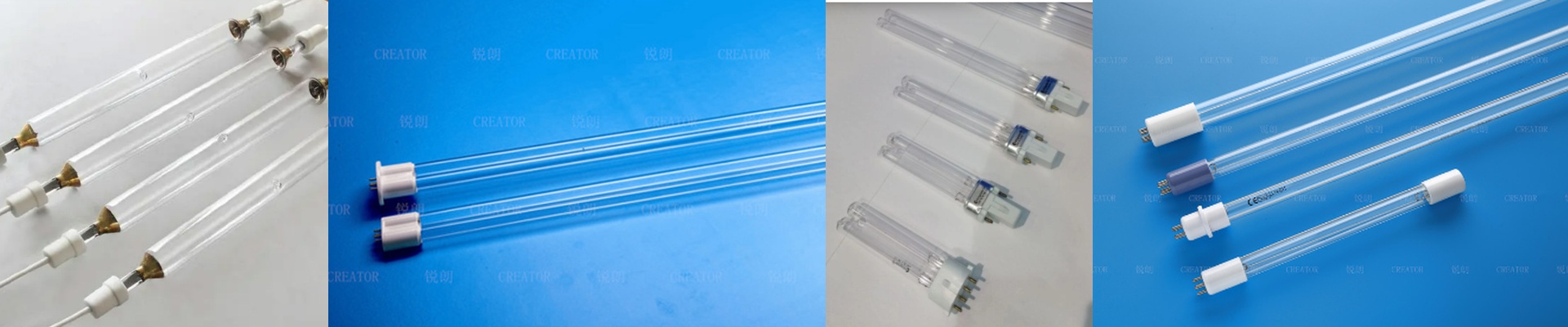
Here’s the thing about sourcing custom UV lamps from China: you aren’t just paying for a piece of quartz and a filament. You’re paying for a very specific kind of light and a specific way that lamp handles heat. If your supplier just clones a generic design they found online, you’re playing a dangerous game. The moment those crates hit a customs port, you could be staring down an intellectual property lawsuit. Not exactly the kind of surprise you want on a Tuesday morning. The headache of “copy-cat” hardware We do things differently. We use our own patented tech to make sure our hardware is legally its own thing. A lot of generic lamps look right on the outside—they fit the footprint of the big brands—but the internal chemistry is usually a mess. By owning the design, we can tweak the gas mix and the electrode geometry without stepping on anyone’s toes. It keeps you safe from patent trolls and keeps your shipment moving through customs without getting seized. The tug-of-war between power and heat Customizing a lamp is always a balancing act. You want more UVC intensity? Great. But that means more heat hitting your reflector. It’s a physical reality. If we push the intensity too high without optimizing the quartz wall thickness or the electrode spacing, things get too hot. If your cooling fans aren’t up to the task, you’ll end up burning out your sockets. It’s a quick way to turn expensive equipment into a paperweight. Getting your gear across the border Shipping globally takes more than just slapping a CE mark on a box. You need a paper trail that proves you actually own the tech inside the lamp. We provide the documentation to show the design is ours. Whether you’re wiring these up in the US, the EU, or Southeast Asia, you can sleep easy knowing your inventory isn’t going to be frozen by a legal glitch. We handle the physics of the arc and the boring legal paperwork. That way, your production line keeps humming along while someone else worries about the fine print.