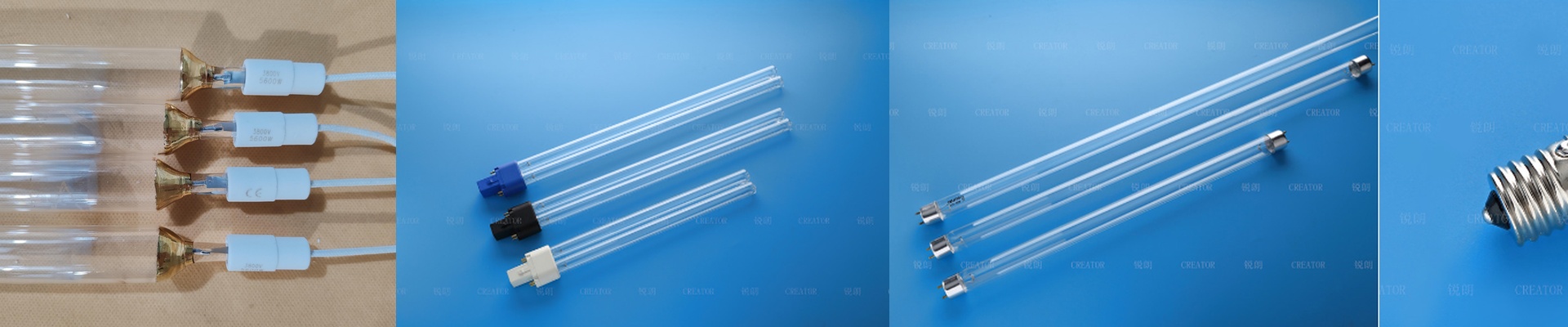
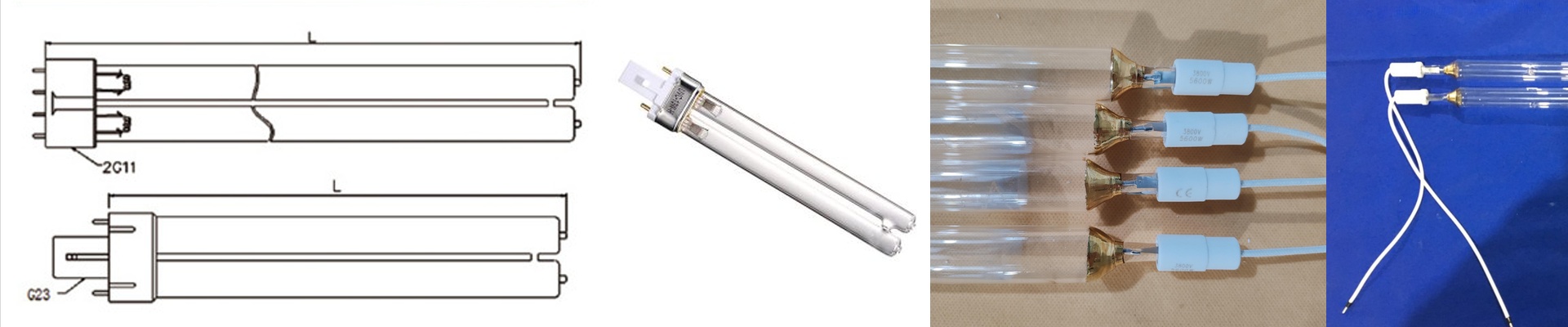
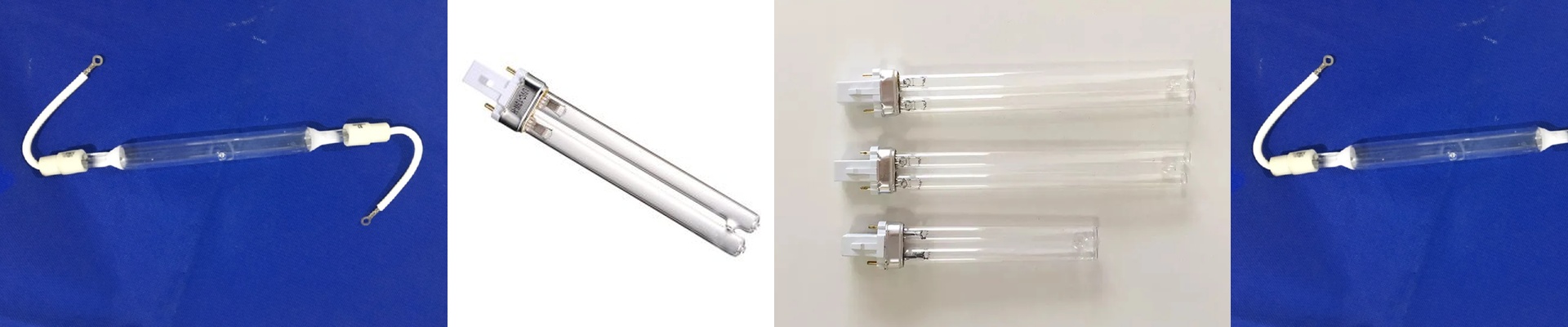
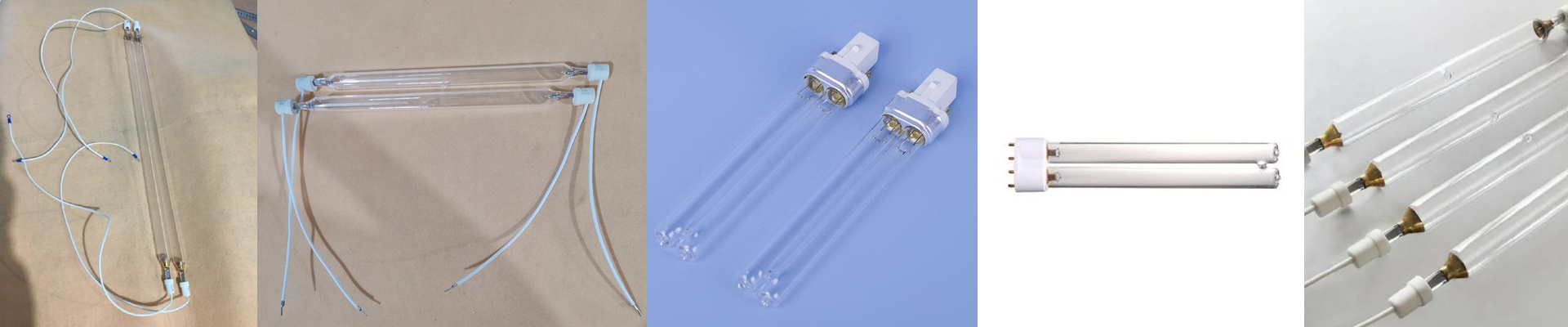
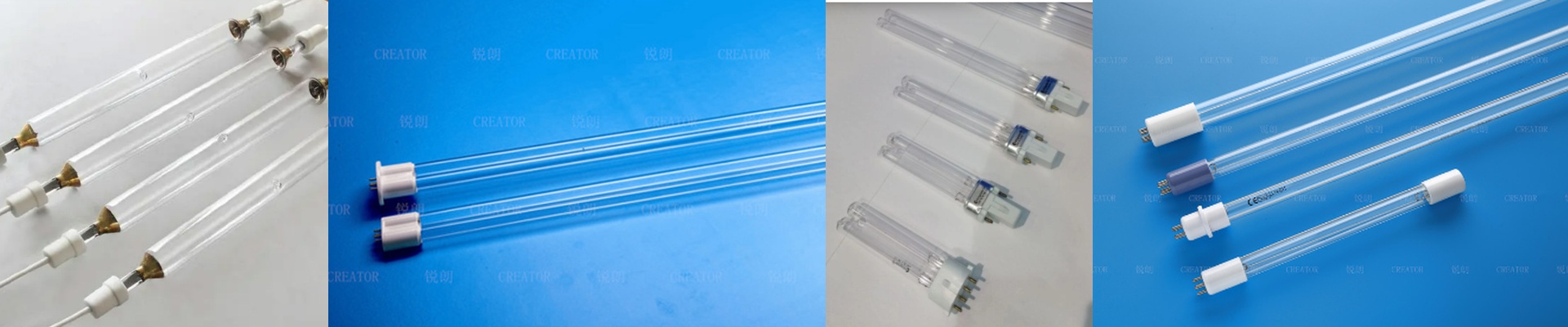
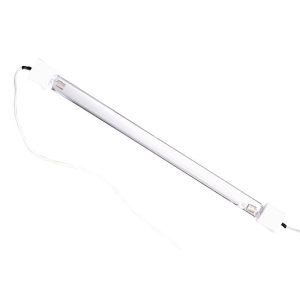
On the floor, when you’re printing conductive inks or protective coatings onto micro-components, one thing will burn you faster than anything else: heat. Standard UV lamps dump in the energy, sure, but they also throw off infrared that warps substrates and cooks active devices. The fallout is scrap, rework, and a lot of downtime you can’t afford. What actually matters under the hood A 420nm gallium UV lamp pushes the spectral output toward the visible edge. That lines up with the photoinitiators in UV inks while cutting the infrared load. Peak irradiance is tuned for fast cross-linking, and power density is managed so the curing energy (mJ/cm²) climbs without sending substrate temperature through the roof. Reflectors use dichroic coatings to tighten the bandpass and knock down the long-wave heat. You want stable output across the arc length, consistent lamp-to-lamp repeatability, and an ozone-free envelope so the workspace stays clean. Why it makes sense in electronics printing In electronics work—screen, flexo, or offset—the substrate is usually the fragile point. With a 420nm gallium lamp, you cure thin layers quickly at lower surface temperatures, so the components stay protected and you still get the cure depth you need. That means higher first-pass yield, a tighter process window, and fewer rejects driven by thermal stress. You use less energy because the spectrum is matched to the ink chemistry instead of being dumped as waste heat. And on those high-mix, short-run jobs, the lamp’s stable output keeps setups repeatable without retuning the whole line. A few shop-floor realities Matching the lamp to the system matters. Check spectral compatibility with your ink’s photoinitiators, confirm the fixture and reflector geometry, and make sure the power supply supports the lamp’s ignition and operating profile. Pushing power toward the top end shortens lamp life; for the most stable performance, stay inside the recommended window and keep tabs on output with a spectral radiometer. In dusty environments, expect routine reflector maintenance to keep peak irradiance consistent.