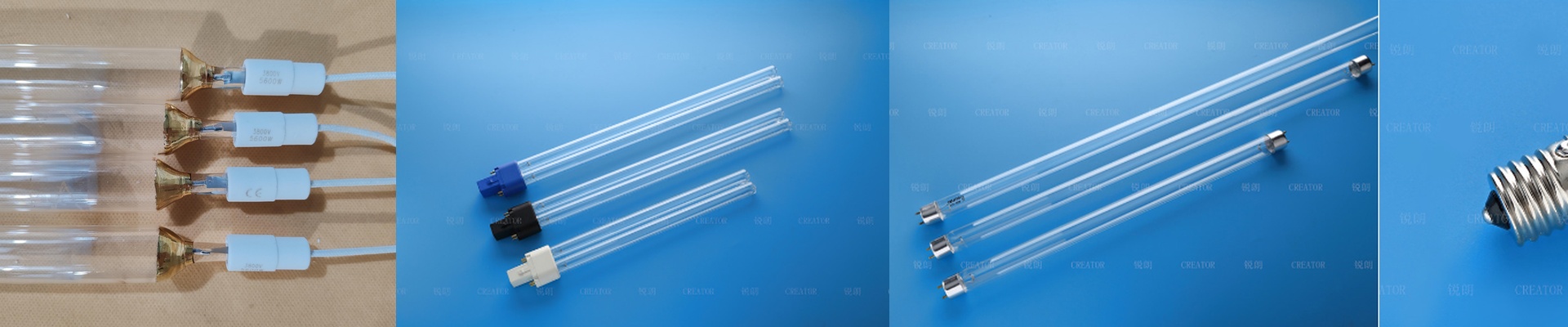
Stop Thinking of UV Lamps as Just “Light Bulbs”
Most shops treat UV lamps like a light switch—you flip it on, it cures the glue, and you move on. But if you’re running a modern line, that mindset is going to cost you. We look at these things differently. To us, a lamp is a precision tool for delivering energy. In a real-world setup, “on” isn’t enough. You need your lamps talking to your PLC and sensors in real-time so the energy hitting your product stays exactly the same, even when the belt speeds up.
Getting the Wavelength Right
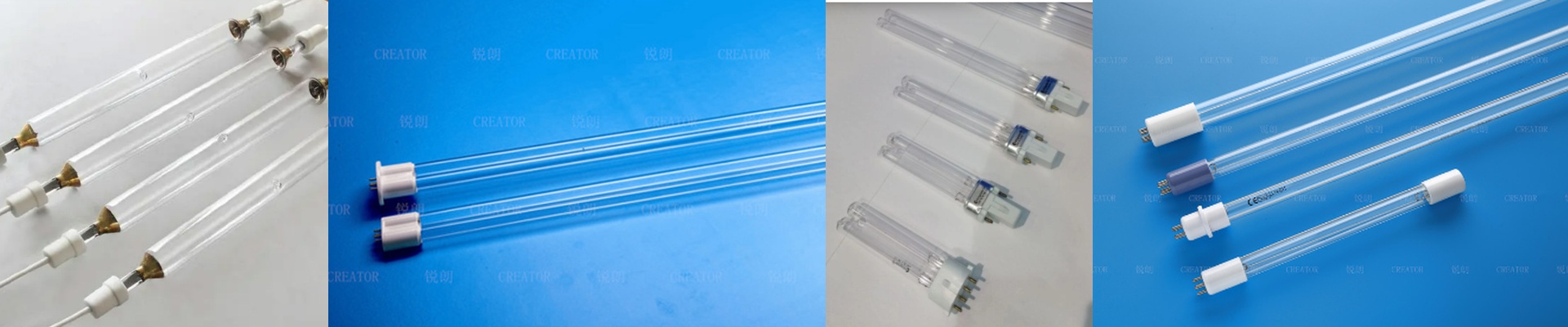
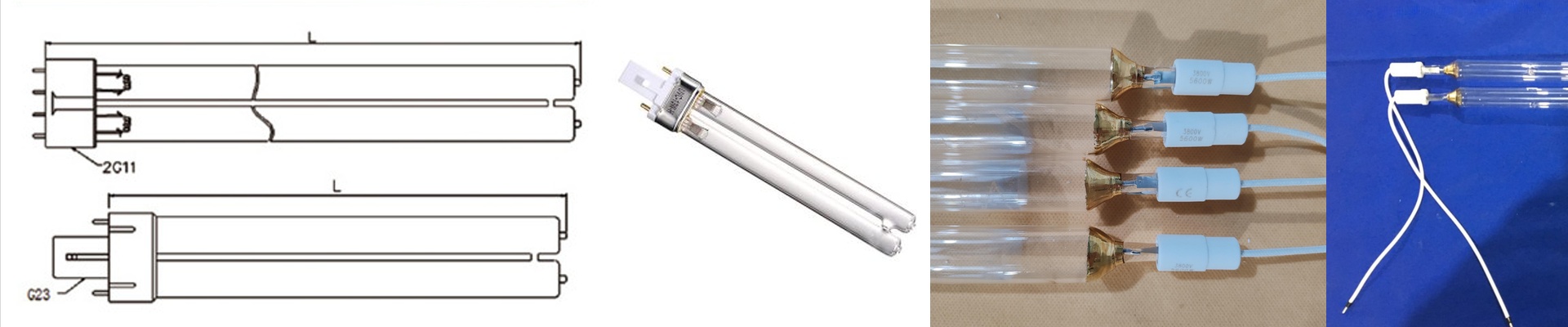
There’s no such thing as a “standard” setup. Your photoinitiator dictates everything. If you’re sterilizing, you need UVC. If you’re curing deep layers of polymer, you need UVA. That means the quartz envelope and the gas fill inside the tube have to be a perfect match for the job. Here’s the catch: you can’t just cram massive wattage into a short tube. If you do, you’ll fry the electrodes. We spend a lot of time balancing tube length against power density. It’s the only way to make sure the lamp doesn’t melt its own housing.
The Tug-of-War Between Speed and Heat
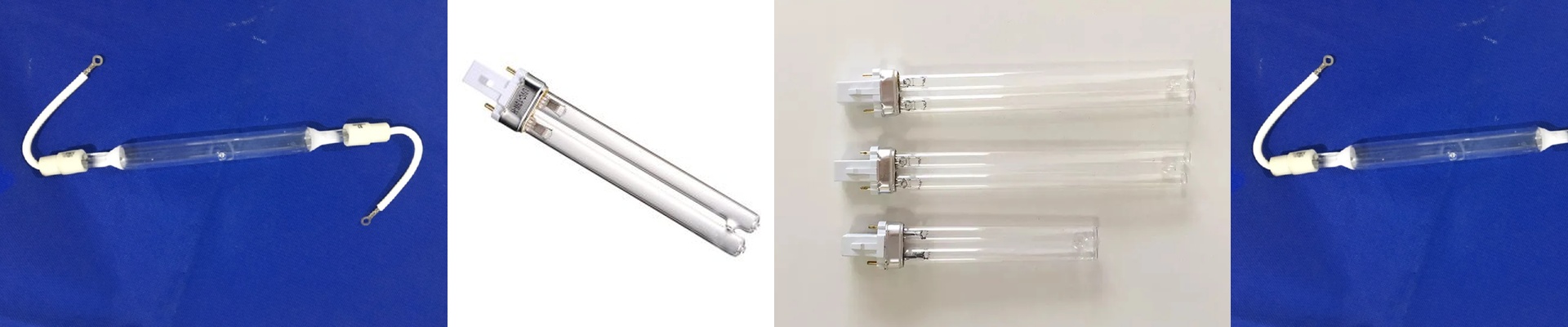
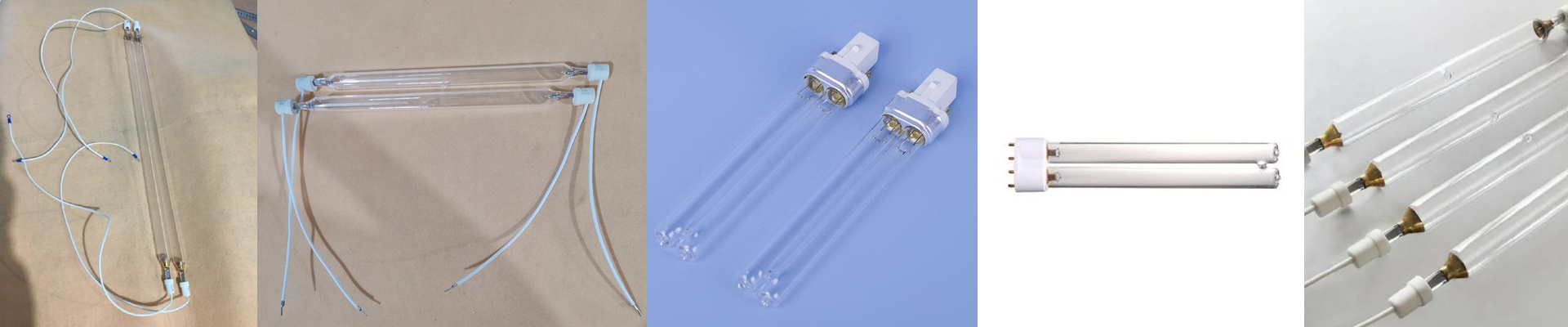
Customizing a system is basically one big exercise in managing trade-offs. Sure, a high-intensity lamp shreds your cycle times. It’s fast. Really fast. But it also puts out an insane amount of heat. You can’t just slap a high-wattage array onto an old conveyor and hope for the best—you’ll end up warping your parts. That’s why we lean on forced-air cooling or water-jacketed reflectors. It keeps things cool so your product stays flat. And because we know maintenance is a pain, we design the electrical side for quick swaps. We use standard connectors so your team can pop in a new tube and get back to work without having to rewire the whole rack.
Making it Work on the Floor
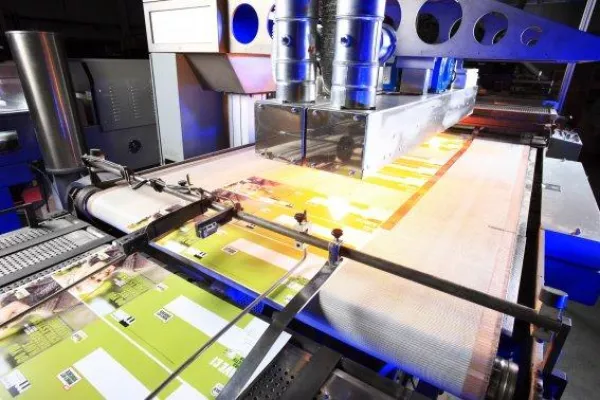
This isn’t just about “drying” things. We’re talking about high-speed PET blowing, coating electronics, and medical adhesives where there is zero room for error. The biggest headache is usually the “cold spot”—those annoying patches where the cure isn’t quite right. You end up with a tacky surface and a wasted part. We fix that by tuning the reflector geometry. It ensures a steady, uniform dose of UV across the entire product, regardless of how fast the line is moving. You get a clean cure every single time. No guesswork. No scrap pile.