Getting Your UV Curing Right
Let’s be honest: in a modern factory, the “on-off” switch is old news. We’re talking about high-speed lines where quartz UV lamps do all the heavy lifting for polymerization and sterilization. If these lamps aren’t dialed in, they become the one thing slowing your entire operation down.
The Heat Struggle
When we build these tubes, it’s all about the balance of wattage and length. More wattage means more photons hitting your product every second. That sounds great because it means you can crank up the conveyor speed. But there’s a catch. All that intensity creates a ton of infrared heat. If your cooling blowers can’t keep up with the lamp’s power, you’re going to have problems. We’re talking warped materials or reflectors that just burn out. It’s a delicate balance.
Why the Glass Actually Matters
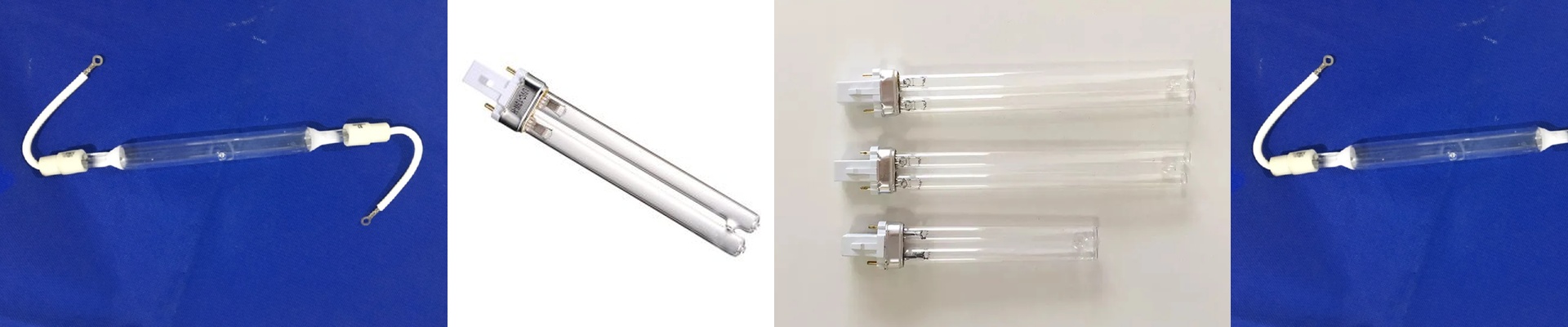
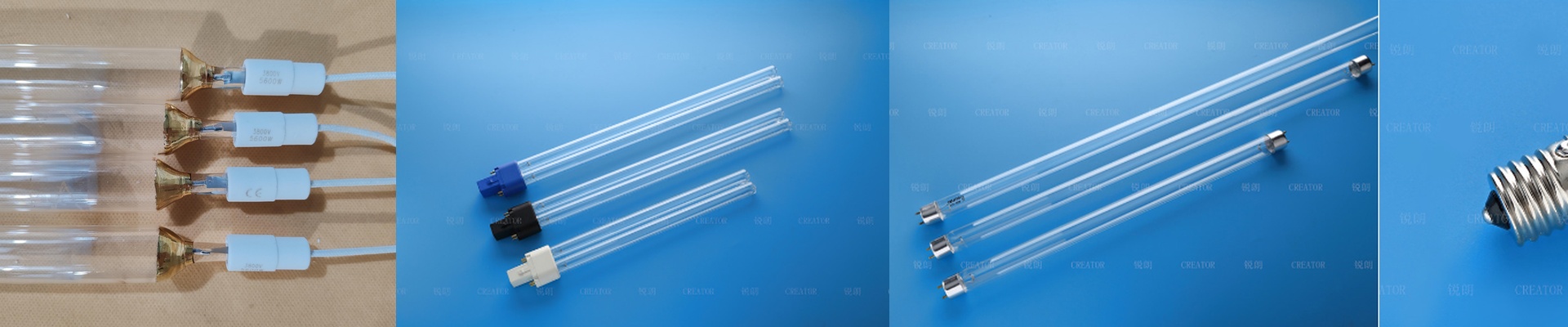
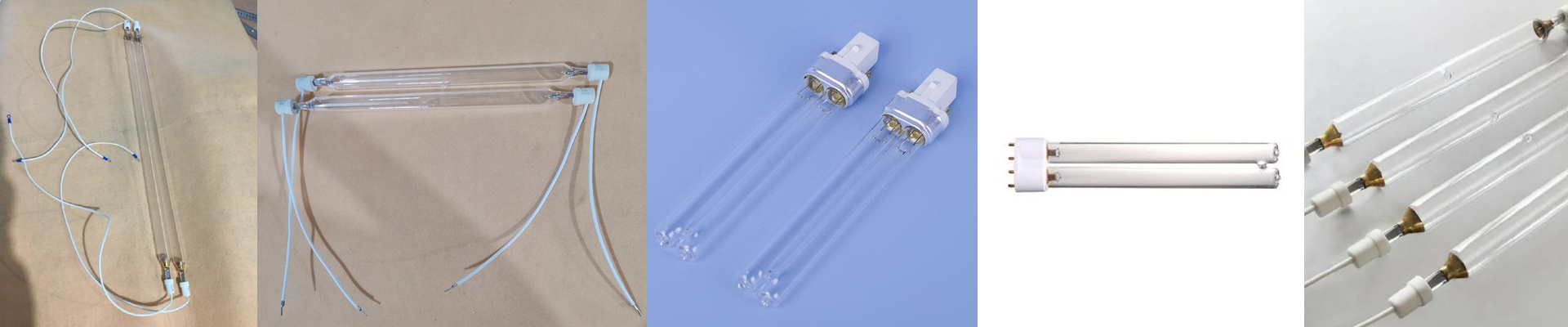
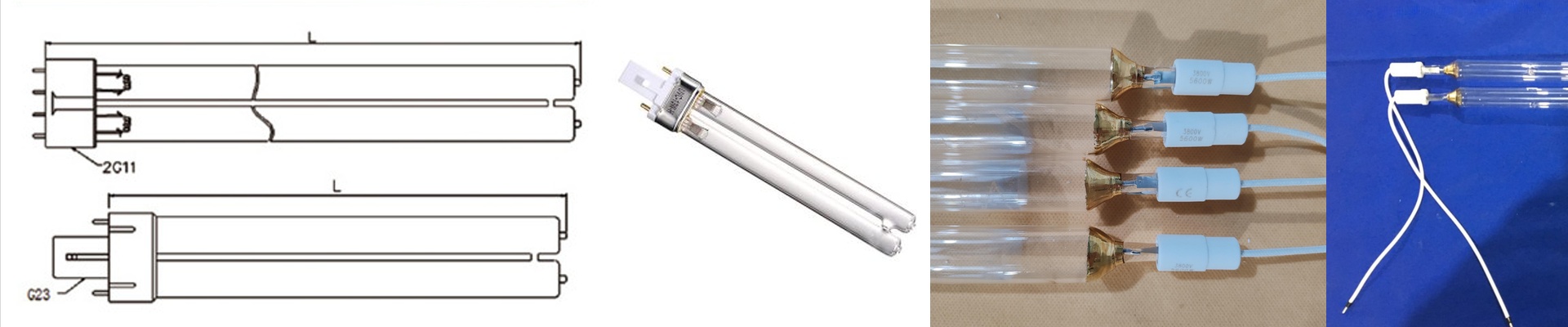
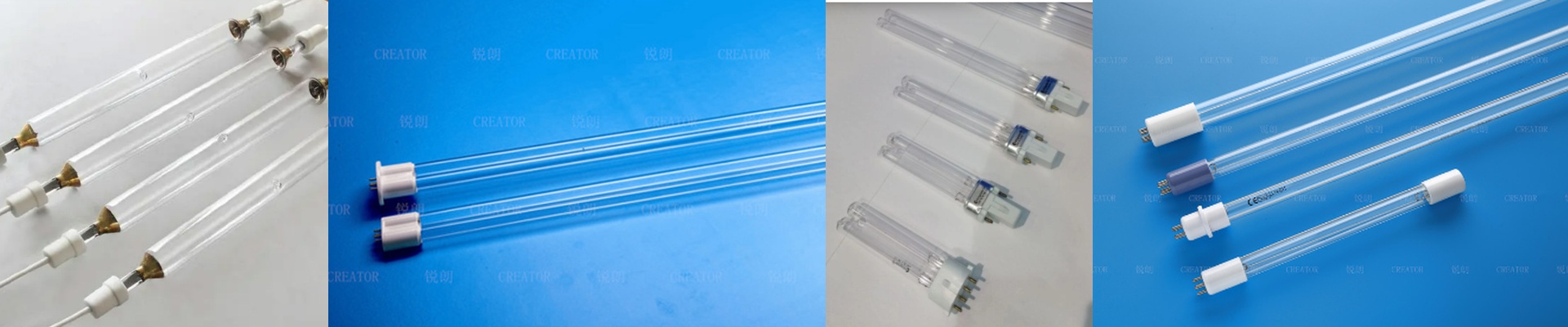
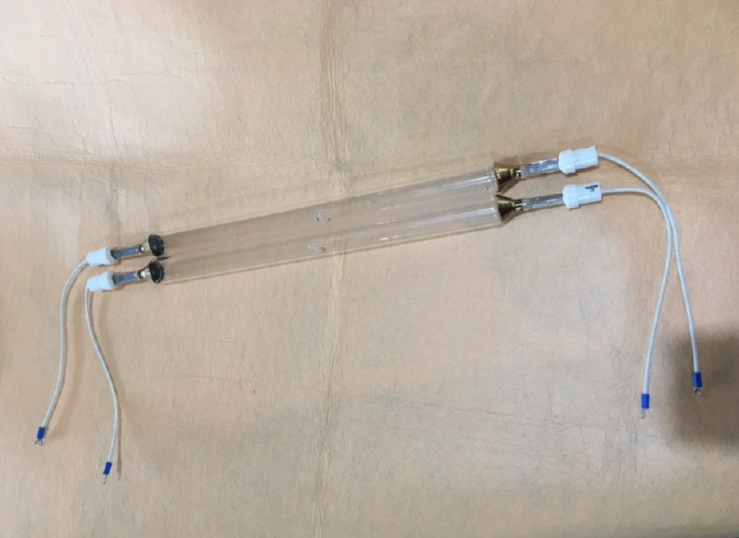
You can’t just use any glass here. Standard glass basically acts like a wall, blocking the UV radiation from getting out. That’s why we stick with high-purity fused quartz. It lets the shortwave UV slide right through without getting absorbed by the tube itself. The energy goes where it belongs—onto your product. Depending on what you’re doing, we can tweak the coatings. Maybe you need a tight, concentrated beam, or maybe a wide flood. And we don’t overlook the connectors. Whether you’re using R7s or pinch-seal ends, they have to hold tight. If they wiggle under the vibration of the machine, you get arcing. And arcing kills your lamp fast.
Keeping Things Running
The good news? These are drop-in replacements. You plug them into your ballast, set the timer, and you’re off. But here is the secret to making them last:keep them clean. A single fingerprint or a layer of dust on the quartz creates a “hot spot.” That’s how tubes crack. It’s a pain, but a strict cleaning schedule is the only way to make sure your cure depth stays consistent across the whole web and your lamps don’t die early.