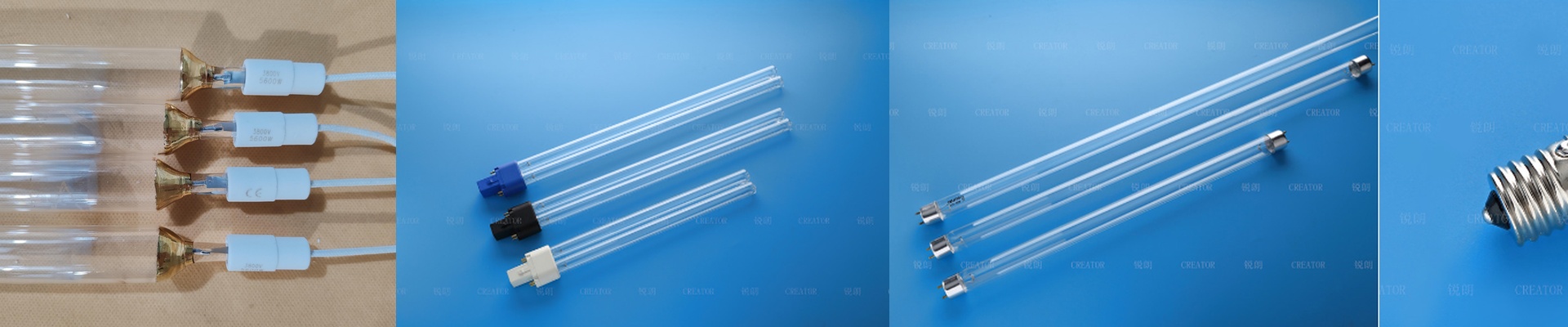
Don’t Let a Cheap UV Lamp Kill Your Project
When you’re picking out UV lamps for an OEM project, it’s easy to get hyper-focused on the specs. You want the right wattage, the right output, the right fit. But here’s the thing: the technical side is only half the story. The other half is the legal side. If you source from a supplier who doesn’t actually own their patents, you’re playing a dangerous game. It’s not about being fancy or “prestigious.” It’s about making sure your shipment doesn’t get seized at customs or that you don’t wake up to a massive IP lawsuit the moment your product hits the global market.
The Trap of “Generic” Parts
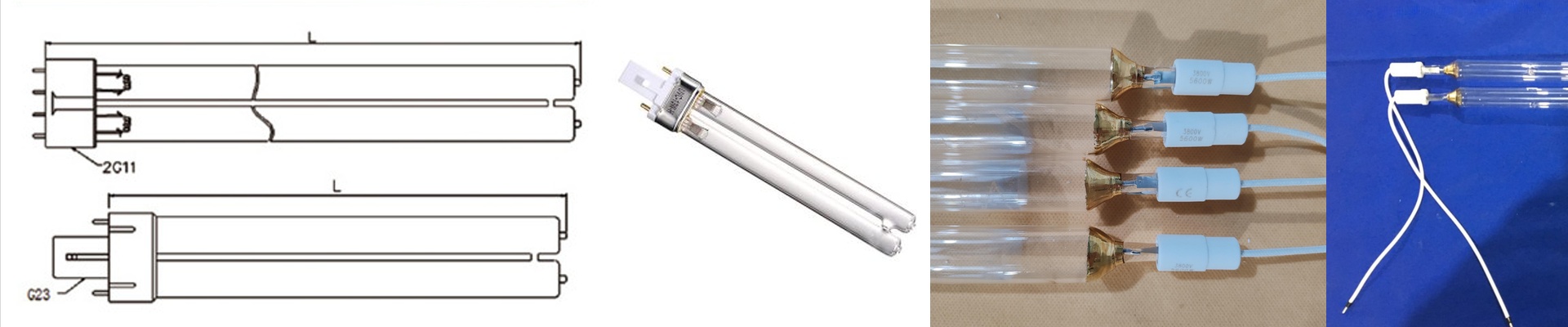
A lot of low-cost suppliers just white-label designs. They’re basically cloning someone else’s homework—whether it’s the way the electrodes are shaped, how the quartz is doped, or how the ballast is wired. It looks fine on a datasheet. But if that “standard” lamp is actually a rip-off of a patented design, you could get a cease-and-desist order slapped on your border crossing. That’s a nightmare nobody wants. We use our own proprietary patents because we want you to sleep at night knowing the hardware in your machine is legally cleared for export.
Real Engineering vs. Copy-Pasting
When a supplier actually owns their tech, it usually means they’ve spent the time solving the hard problems. Like thermal management. If you don’t get that right, high-wattage lamps can actually crack the quartz envelope. Or wavelength control—keeping that UV-C output locked right at 253.7nm so it actually works. We spent a lot of time obsessing over the bridge between the lamp and the power supply. By owning the patent on the coupling and the ignition sequence, we managed to kill off that annoying flicker and the premature burn-outs you see with generic drop-in replacements. It just works.
The Trade-off
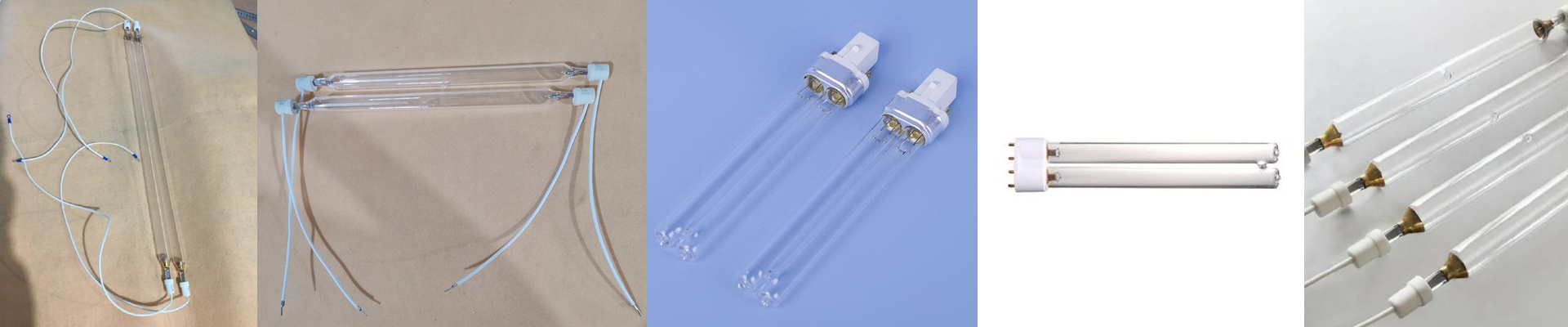
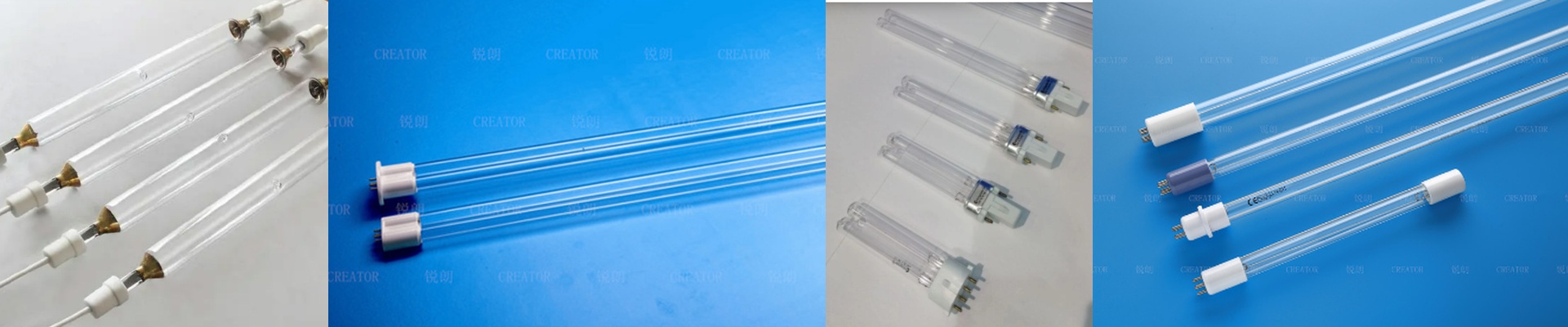
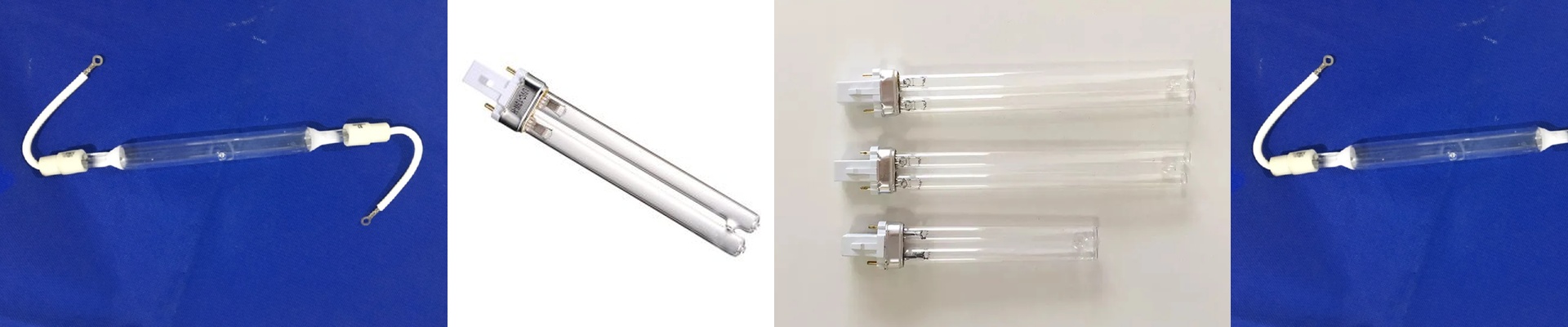
Since we own the tech, we can tweak the length and wattage to fit your specific footprint perfectly. Everything fits tighter. It feels like it was made for your machine, because it was. The catch? You can’t just swap these out for a random bulb you found online. If you try to use a generic replacement, you’ll likely see your curing efficiency tank or mess up the electrical load. To keep the lamp lasting as long as it should, your system needs to stay wired to the specific voltage and current of the design. It’s a small price to pay for a system that actually lasts.