Let’s Build Your UV Lamp Brand the Right Way
Starting a UV lamp brand is about way more than just slapping a logo on a box. If you want something that actually works in the real world, you have to nail the hardware specs first. Whether you’re looking to cure resin or sterilize a surface, the engineering has to be spot on. That’s where we come in. We handle the heavy lifting and the technical grit so you can move from a rough idea to a product that fits right into existing industrial setups.
Getting the Specs Right
Here is the thing about UV lamps: it’s all a balancing act. You’re juggling wattage, voltage, and tube length. Sure, cranking up the wattage gives you more photon flux, which makes polymers cross-link faster. But there’s a catch. If you cram too much power into a short tube, things get hot. Fast. If you don’t pair a high-intensity lamp with a solid cooling system, you’re basically just building a fancy fuse that’ll burn out way too soon. It’s a delicate dance between raw power and the melting point of the glass.
The Nitty-Gritty: Materials and Connections
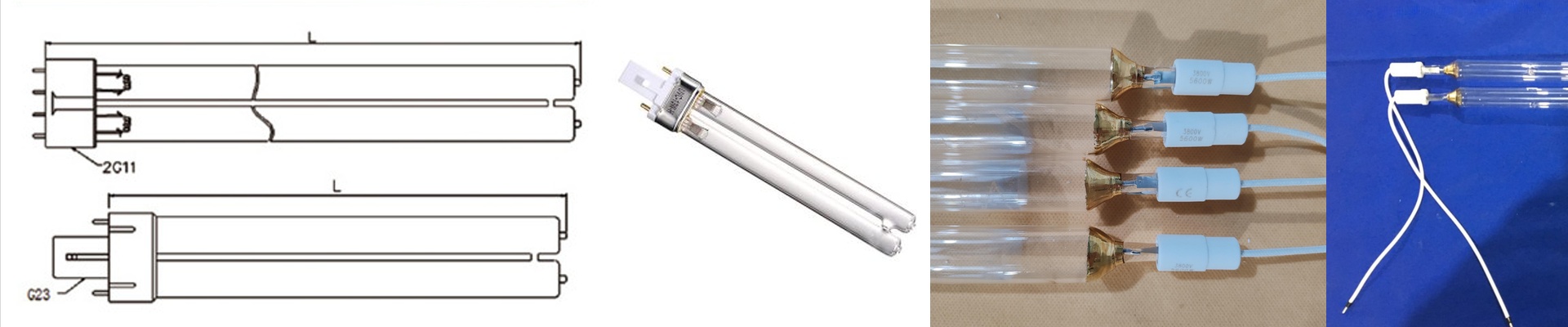
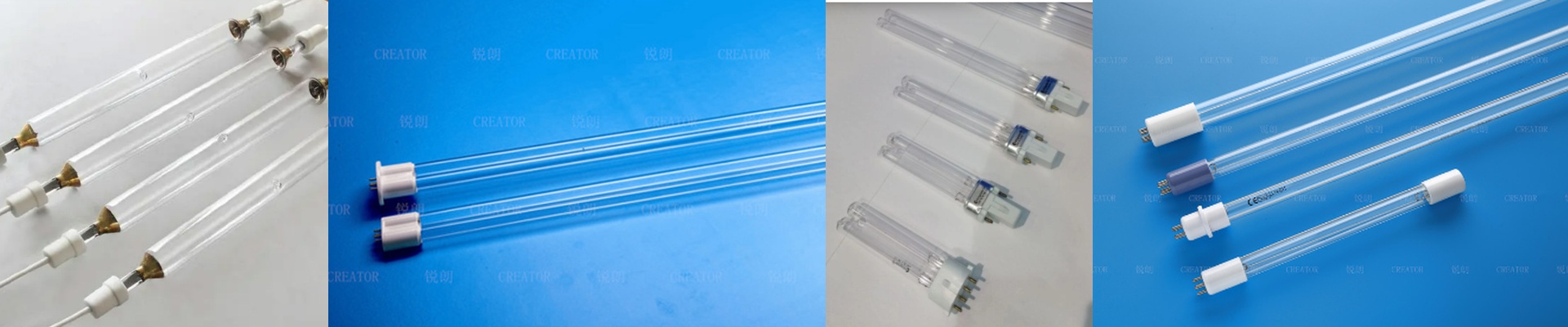
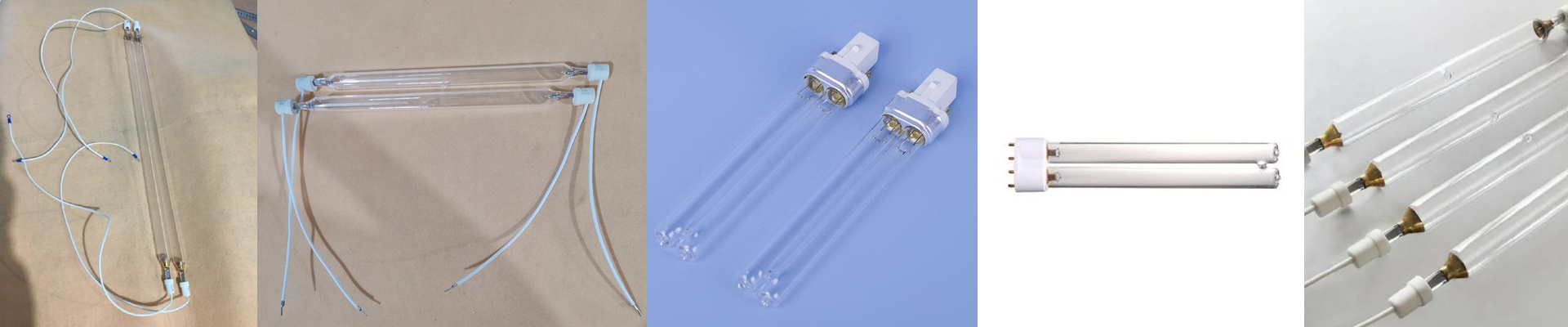
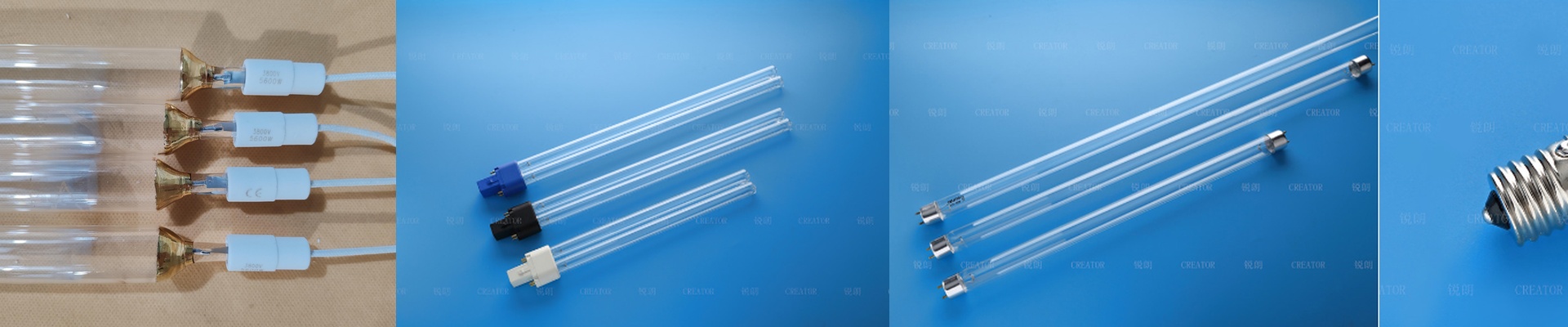
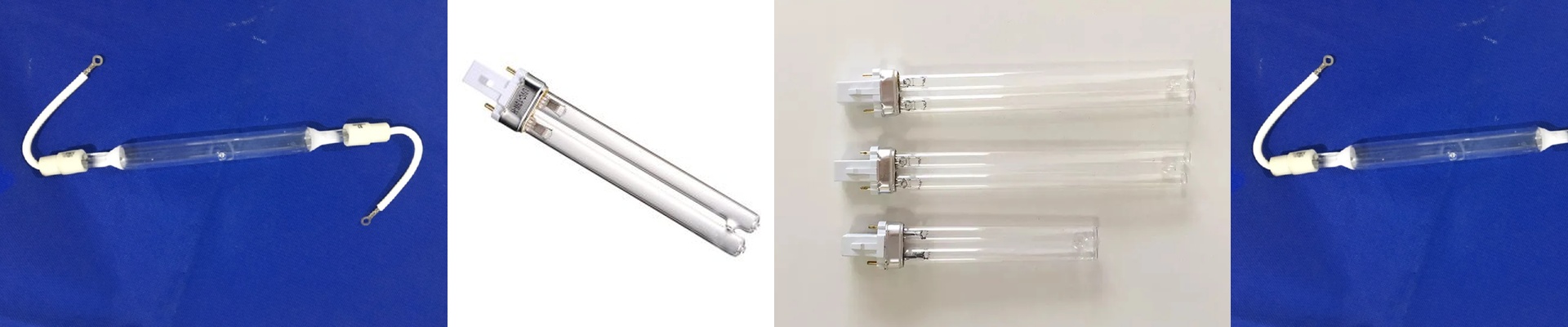
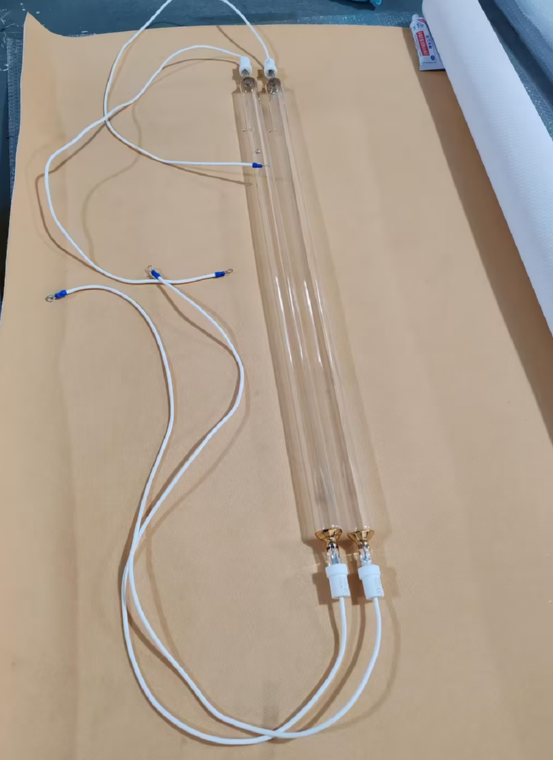
We use high-purity fused quartz for the envelopes. Why? Because it lets the maximum amount of UV light through without getting in the way. And if your project involves messy chemicals or needs a specific wavelength, we can add coatings to keep the glass protected or shift the light exactly where you need it. But the real danger zone? The connection point. This is where most designs fall apart. If the fit isn’t tight, you get electrical arcing at high voltages, and that’s a nightmare you don’t want. We offer everything from standard pins to custom connectors, and we weld the electrodes to handle the constant “breathing”—that expansion and contraction that happens every single time you flip the power switch.
Finding the Sweet Spot
When we work together on an OEM project, you call the shots on the size and electrical needs. Now, a tiny footprint is great if you’re squeezing a lamp into a cramped machine housing. But you have to give something up to get that. Usually, it’s raw power. We’ll help you find that middle ground. You want enough irradiance to cure your ink or resin perfectly, but not so much that you accidentally melt your conveyor belt. It’s all about finding that “just right” setting where the machine runs cool and the product comes out perfect.