Real-World UV Systems for Printing Floors
We spent some time visiting about 3,000 printing plants. We wanted to see how these UV systems actually hold up when things get messy. Truth is, most off-the-shelf lamps just aren’t cut out for the reality of a production line. They can’t handle the grime, the constant vibration, or the heat. So, we stopped designing for a lab and started designing for the floor—balancing raw killing power with the actual safety of the people running the machines.
The Danger Side of UV-C
Most industrial germicidal lamps hit that 253.7nm wavelength. It’s great for ripping apart microbial DNA, but it’s just as aggressive on human skin and eyes. One wrong move and your staff is looking at severe burns or retinal damage. That’s why we don’t mess around with the housings. We use interlocking safety switches. If a technician opens a guard or a curing chamber, the power kills instantly. No “maybe,” no delays. Just off.
Heat, Glass, and Power
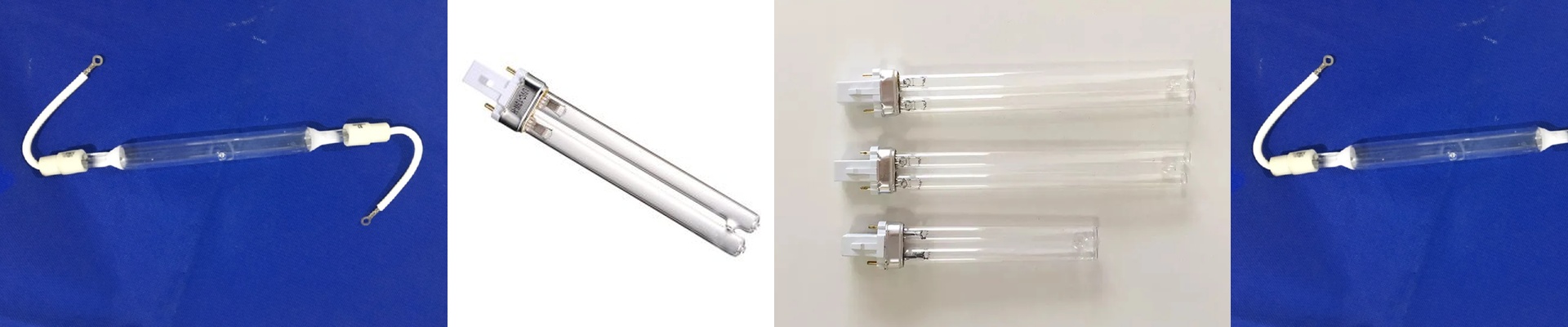
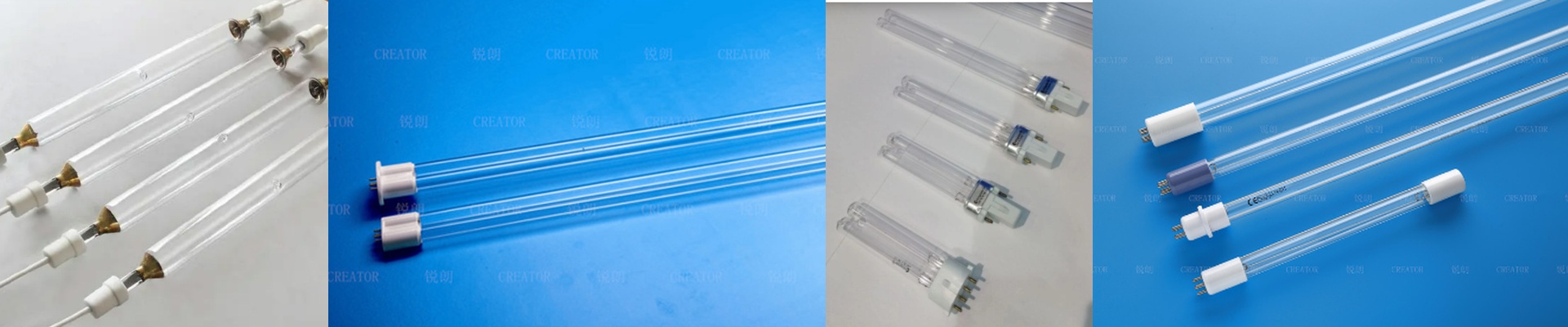
High-output lamps get hot. Really hot. If you run a high-wattage array without enough airflow, the temperature spikes. When that happens, the mercury vapor pressure shifts and your UV output just drops off. To stop the glass from cracking under those thermal swings, we stick with fused quartz. Then there’s the ballast. You’ve got to match it perfectly to the lamp’s strike voltage. If you don’t, you’ll get that annoying flickering or your electrodes will burn out way too early. And a pro tip: if your shop gets hotter than 35°C, get some oversized cooling fans. You’ll thank us later.
Keeping Things Running
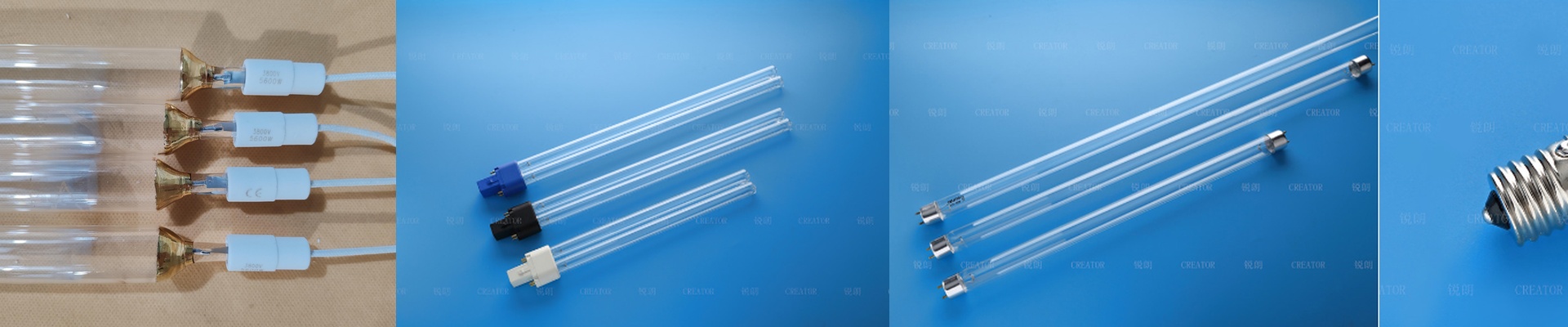
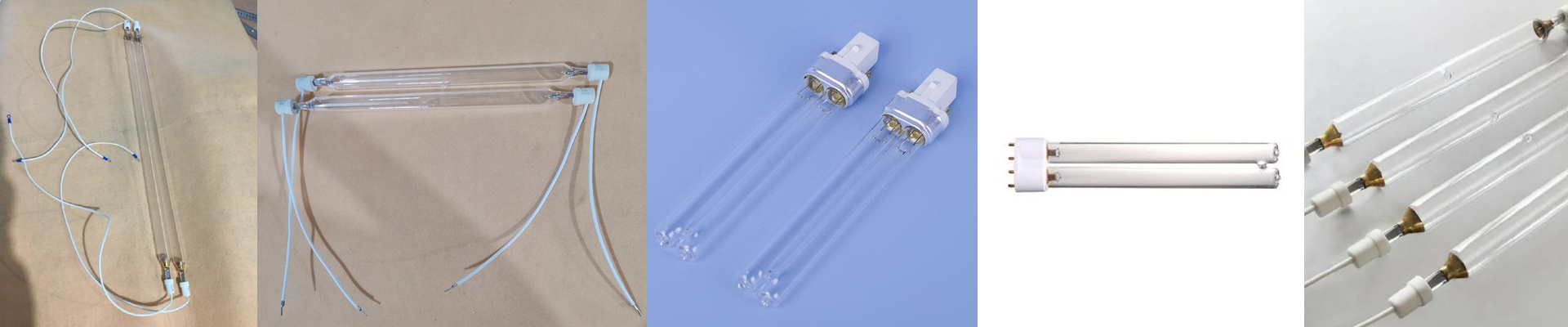
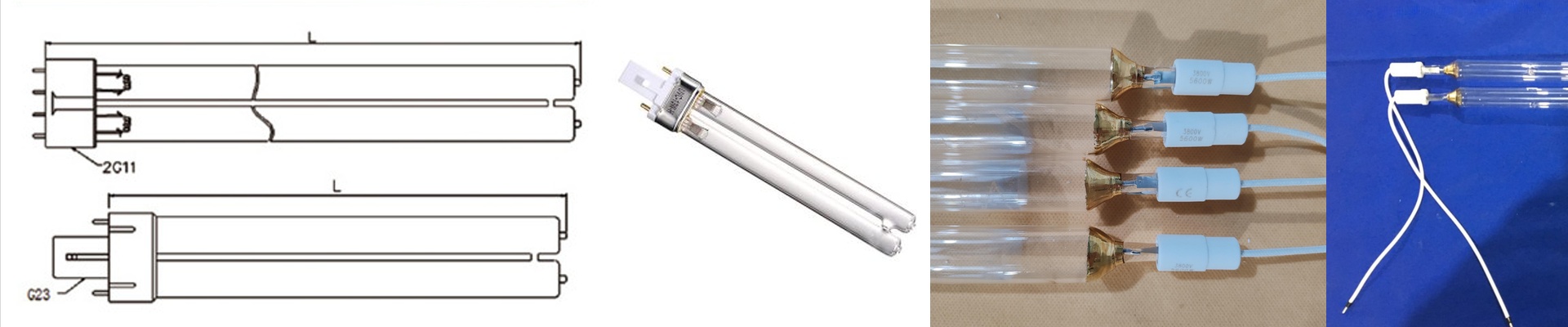
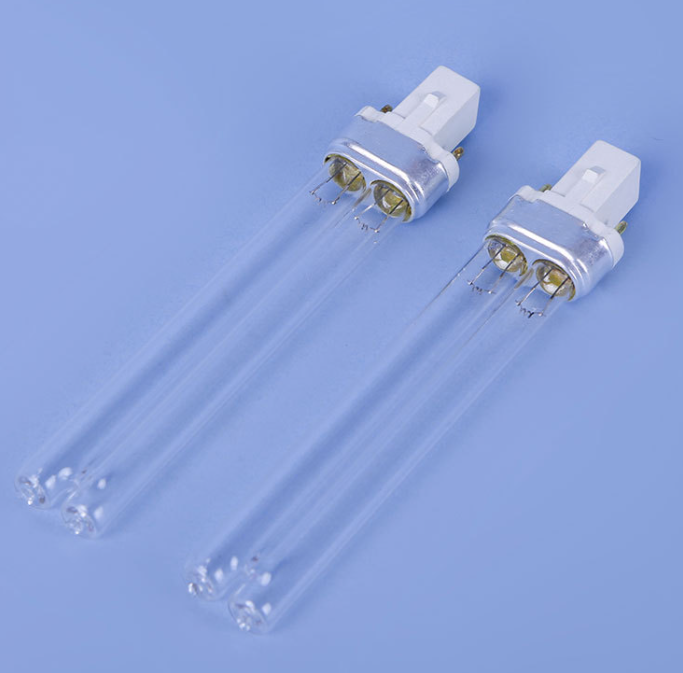
We hate downtime as much as you do. That’s why our fixtures are built for quick swaps. We use standardized sockets so you can just drop in a new lamp and get back to work without having to rewire the whole rig. One thing to watch out for: UV-C eats plastics and gaskets for breakfast. If you use standard rubber, expect it to crack and leak within six months. We use PTFE or specialized UV-resistant polymers because they actually last. Also, keep a close eye on those quartz sleeves. A thin layer of dust might look harmless, but it can kill your sterilization power by 30%. Give them a wipe down once a month. It takes two minutes and saves you a massive headache.