Getting Your Textile Curing Right with Gallium Iodide Lamps
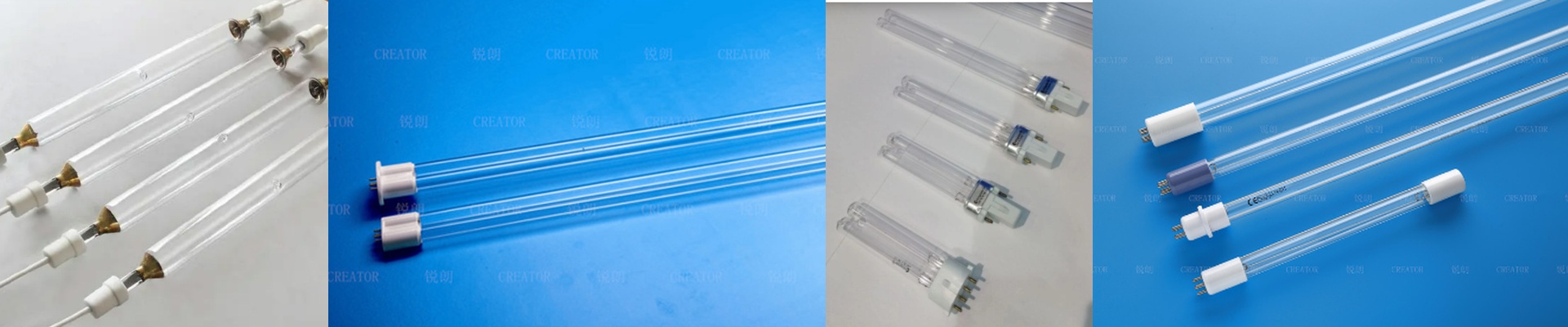
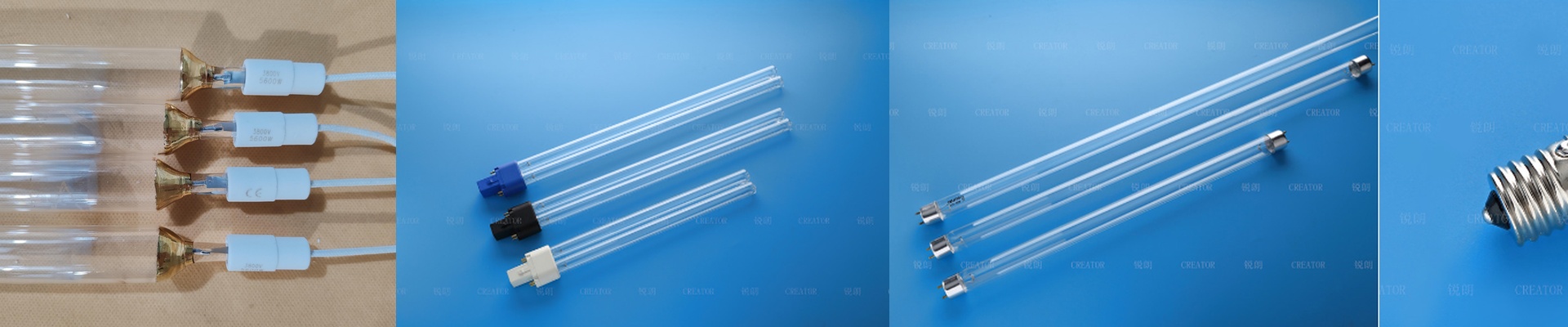
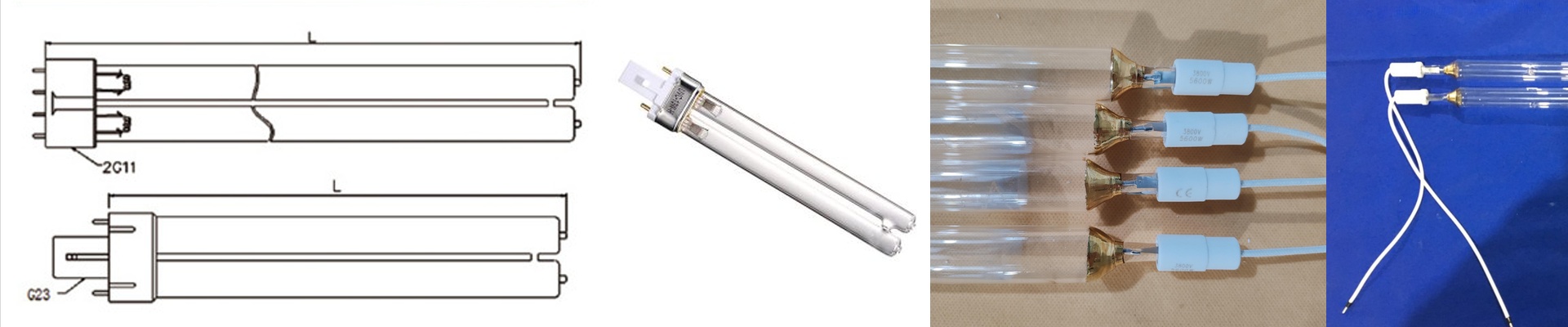
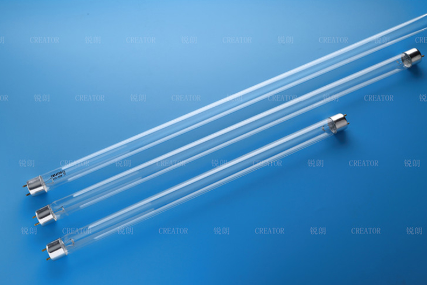
Standard mercury lamps are fine for some things, but when you’re dealing with textile inks, they often miss the mark. That’s why we build gallium iodide lamps. They’re designed to hit those specific UV wavelengths that actually trigger the photo-initiators in your ink. The goal is simple: we want that ink locked into the fabric tight, but we don’t want to scorch the material in the process.
The Secret Sauce: Light and Heat
It all comes down to the blend of gallium and iodine inside the tube. This specific mix shifts the light output, giving you the punch needed to cure prints that go deep into heavy fabrics. It’s a concentrated kind of energy that actually penetrates the fiber instead of just sitting on top. But here’s the catch. When you pack that much power into a small tube, things get hot. Really hot. If your cooling fans aren’t up to the task, you’re looking at a short lamp lifespan or, worse, burnt-out ends. To keep the glass from overheating, you’ve got to keep the air moving. Keep that airflow steady, and your lamps will last.
Fitting Them Into Your Setup
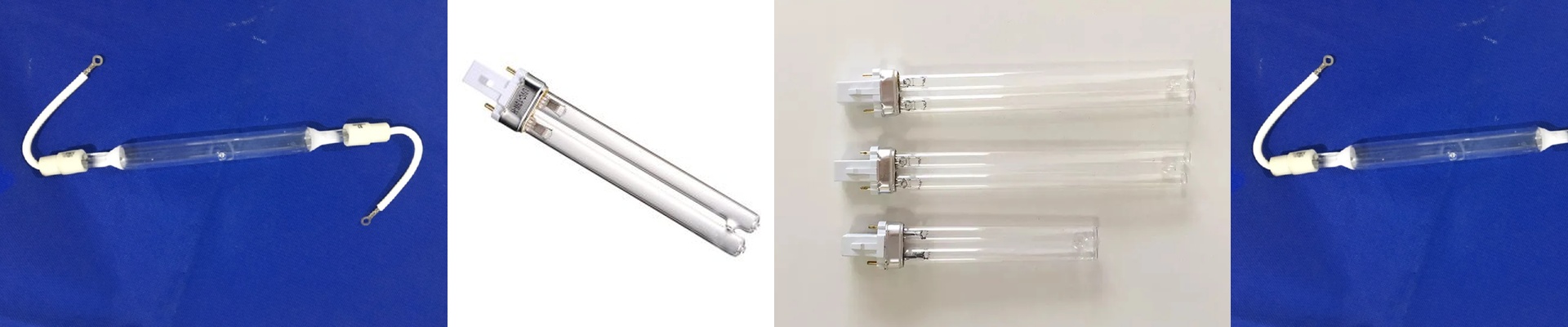
We didn’t want you to have to rebuild your entire machine just to use our lamps. We made them “drop-in” replacements. They fit right into most industrial curing arrays and work with your existing reflectors. This ensures the UV light bounces straight onto the fabric, not onto the frame of your machine. We also reinforced the electrodes. If you’re constantly flipping the power on and off, that puts a lot of stress on the arc. We added reinforced end-caps to stop electrical arcing and leaks from happening at the connection points. It just makes the whole thing more reliable.
Why This Actually Matters for Your Prints
In a busy shop, speed is everything. You want to crank up the conveyor belt without worrying that the ink is still wet. If your wavelength is even slightly off, you end up with “tacky” prints or colors that bleed into each other. It’s a nightmare. Gallium iodide fixes this by hitting the exact spot where the ink’s resin absorbs energy. You get a full cure, a faster line speed, and prints that actually stay put.