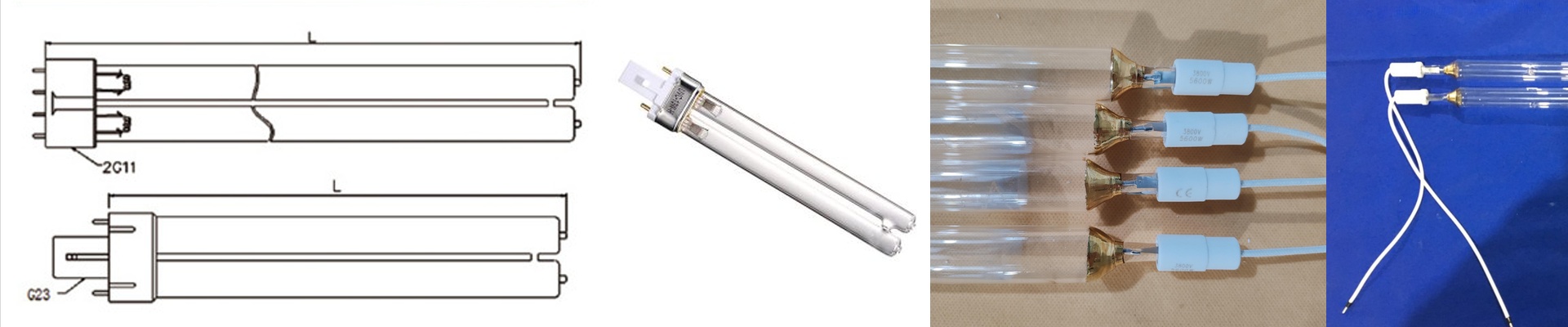
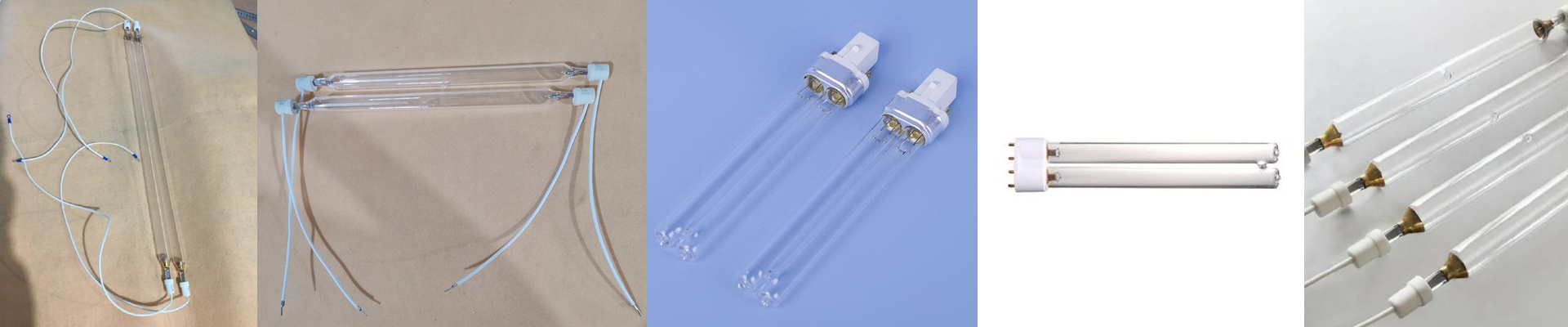
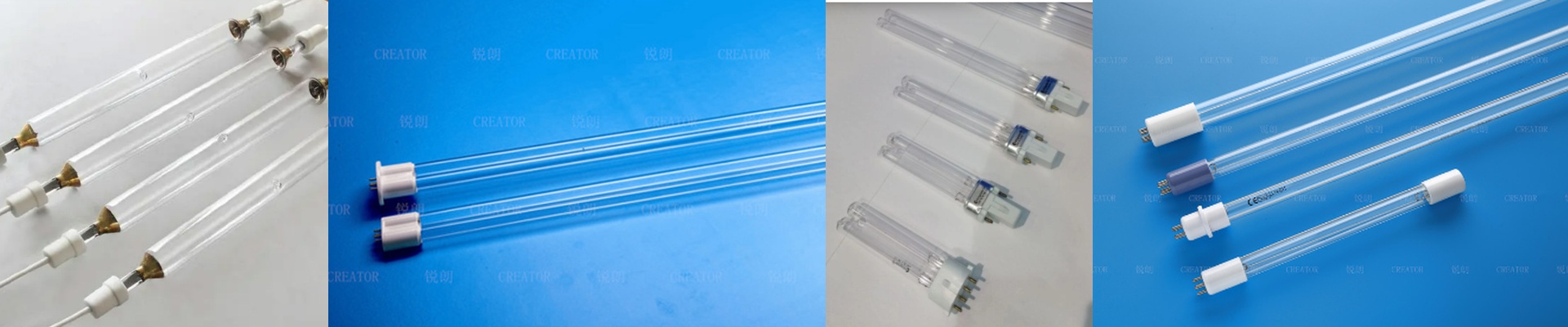
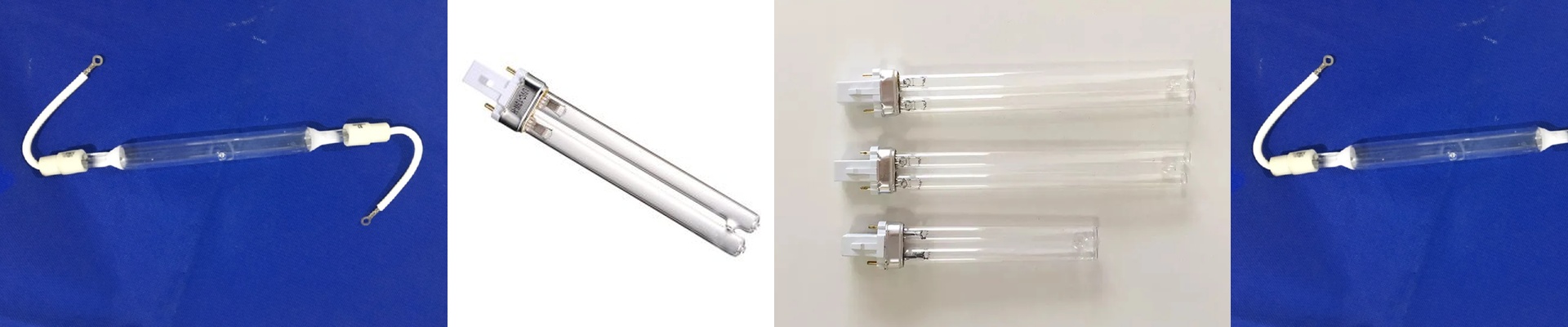
In public-space disinfection robots, throughput gets held up by dwell time. Standard UVC sources often have to run longer just to hit the required microbial reduction, which ties up units and stretches cycle times. The bottleneck isn’t just lamp power—it’s the delivered dose per unit time, and keeping it consistent across the whole service life. What actually matters, technically Gallium iodide lamps push the UVC output toward 254 nm with tight spectral purity, giving you a steady photon flux for direct nucleic acid damage. Match that with a high-reflectivity dichroic reflector and an ozone-free quartz envelope, and you get high peak irradiance at the target plane. That translates to more energy density (mJ/cm²) per second. The payoff: you cut the time needed to hit the lethal dose, and because output stays stable, you don’t have to add as much margin to compensate for lamp degradation. Why this fits the job Autonomous disinfection robots need short, repeatable cycles. A compact UVC module with high energy density shortens single-pass exposure, so routes finish faster and daily throughput goes up. Built-in intensity feedback lets the system adapt intelligently—adjusting speed or pass count to keep dose integrity intact when surface geometry and conditions change. You get consistent log reduction without having to oversize the platform or throw money away on excess energy. The details you can’t skip These lamps are picky about heat. Keep airflow and mounting distance within spec to hold spectral output steady and stabilize lamp temperature—otherwise, output drift climbs and end-of-life comes sooner. Make sure the electrical side lines up with the robot’s ballast and connector interface, and plan replacements based on run hours and intensity logs, not the calendar.