Introduction
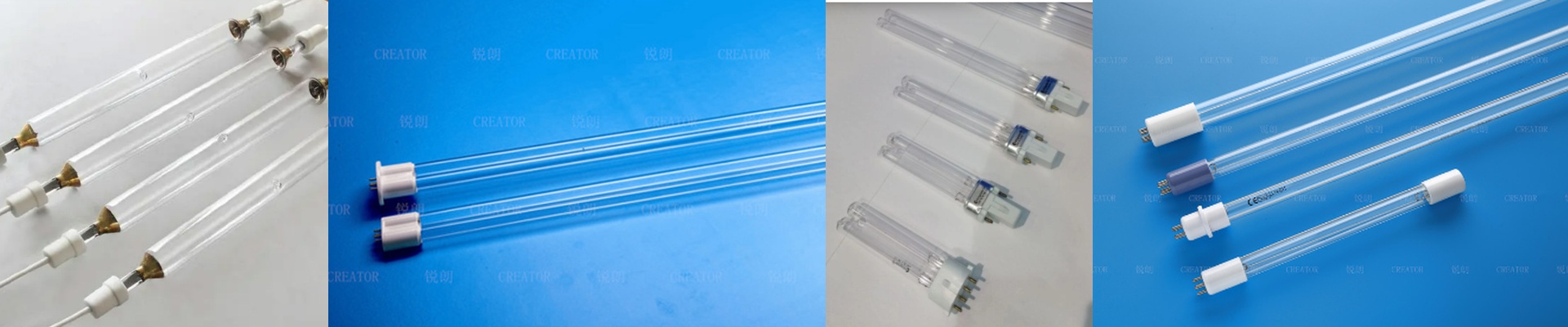
Let’s get straight to it. We built this mercury UV curing bulb for the industrial lines that simply can’t afford downtime. This isn’t just another general-purpose lamp. It’s a purpose-built curing module, designed from the ground up to give you consistent output, predictable heat, and trackable energy use. Plug it in, and you get reliable curing performance. Plus, you get the data you need to keep your operation running lean.
The Nitty-Gritty: Power, Voltage, and Size
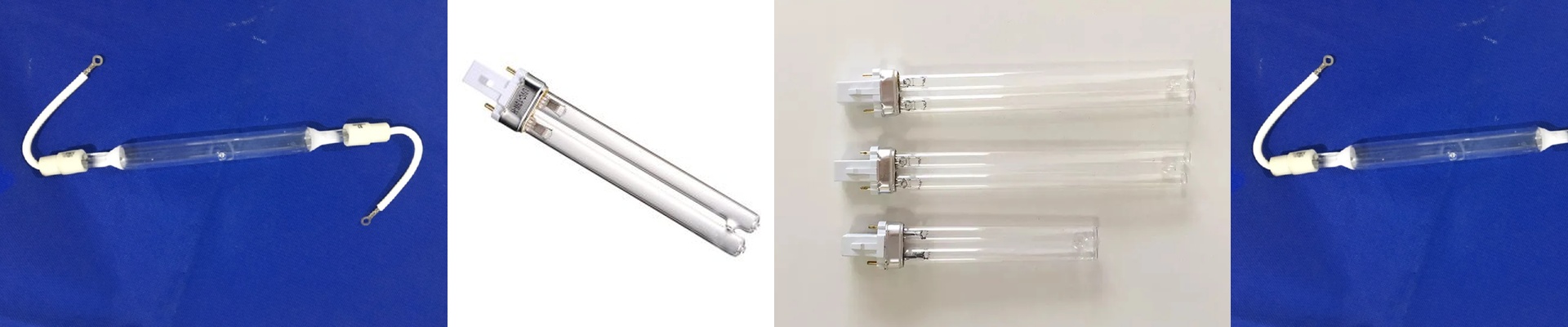
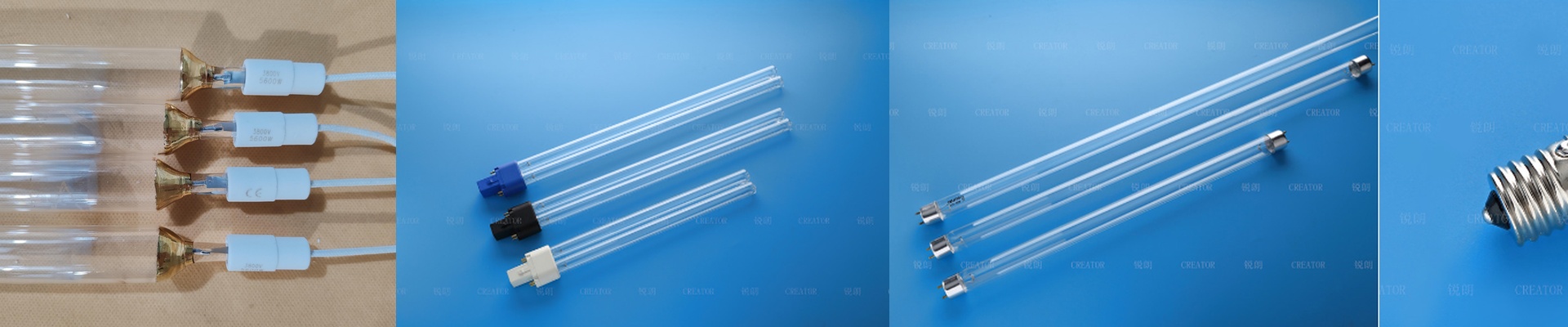
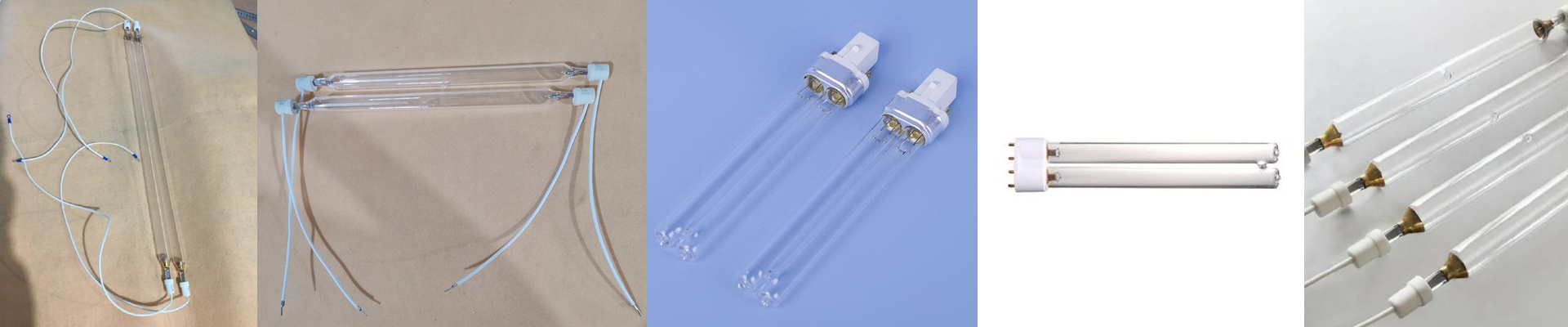
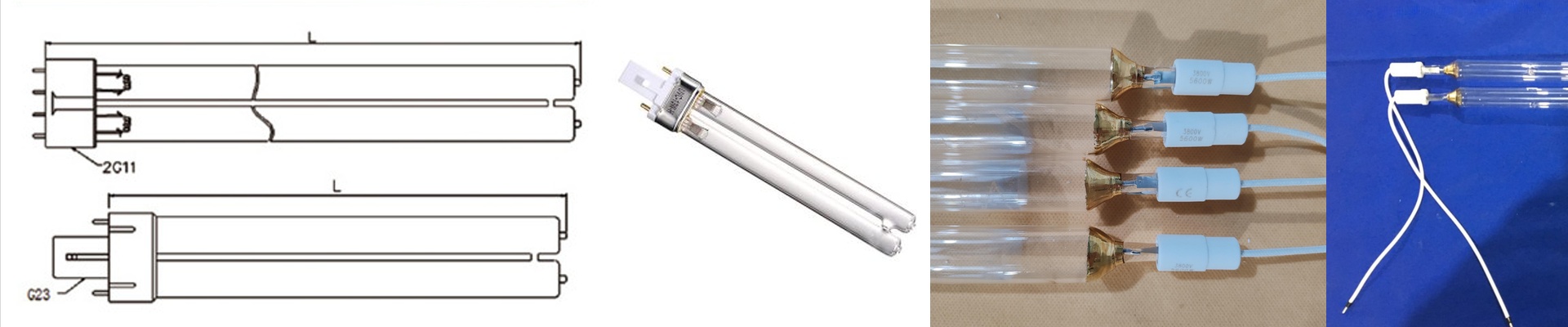
A standard mercury UV curing bulb has one job: deliver repeatable output in a tight space. We don’t build based on marketing claims. We match the core specs to what actually works on the factory floor. The voltage and wattage are dialed in to hit that sweet spot—the right arc temperature for high-intensity UV output. The length and diameter are chosen to drop right into your existing reflector and cure zone. And that’s why the geometry is so important. Too short, and you miss coverage. Too long, and you lose power to the reflector and waste energy. The power density is high on purpose, so you have to plan for it when you lay out the machine.
Built to Last: Quartz, Coating, and the R7s Connection
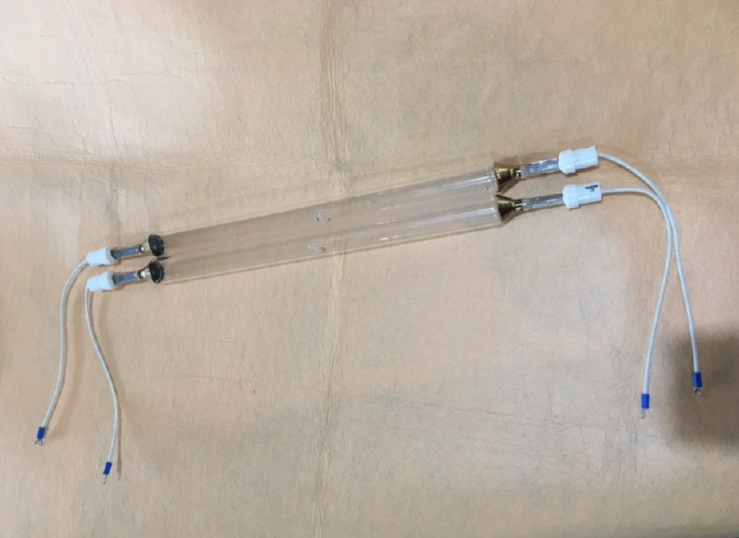
The envelope is quartz. It’s the right choice because it stays stable under heat and lets the UV light pass through cleanly. Inside, the mercury chemistry is tuned for a steady arc and a consistent spectrum, run after run. A special coating helps keep the heat where it should be, so the lamp runs at a stable temperature. Then there’s the R7s connector. It’s a practical, industrial choice. It handles the current, makes swapping the lamp fast, and locks the bulb into place securely. It stays put, even when the machine is vibrating or the temperature is swinging.
Real-World Use: Smart Controls and What to Expect
On the production line, this bulb drops right in to replace standard mercury UV systems. Think coating lines, adhesives, print curing—it just works. The real difference is the remote energy monitoring. We’ve built in sensors that show you power draw, run hours, and output trends in real time. You can actually see when a lamp is starting to drift, before it causes any rejects. But let’s be honest about the trade-off. That high power density means you need to plan for proper cooling and good airflow around the fixture. Treat the heat as part of the system, and you’ll get steady, verifiable performance, shift after shift.