Introduction
So, we showed up at the 2026 Printing Expo with our custom UV lamp modules, and the buzz was real. Not because of flashy gimmicks, but because we were talking about the stuff that actually fixes production headaches. We built these for the engineers who want their gear to just work—every single time. No guesswork. Just reliable, repeatable performance.
Technical Deep-Dive
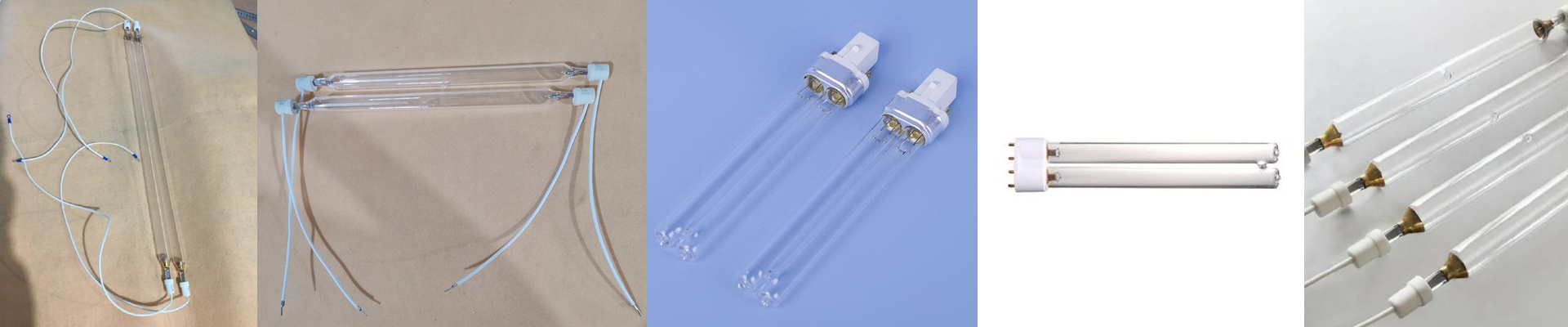
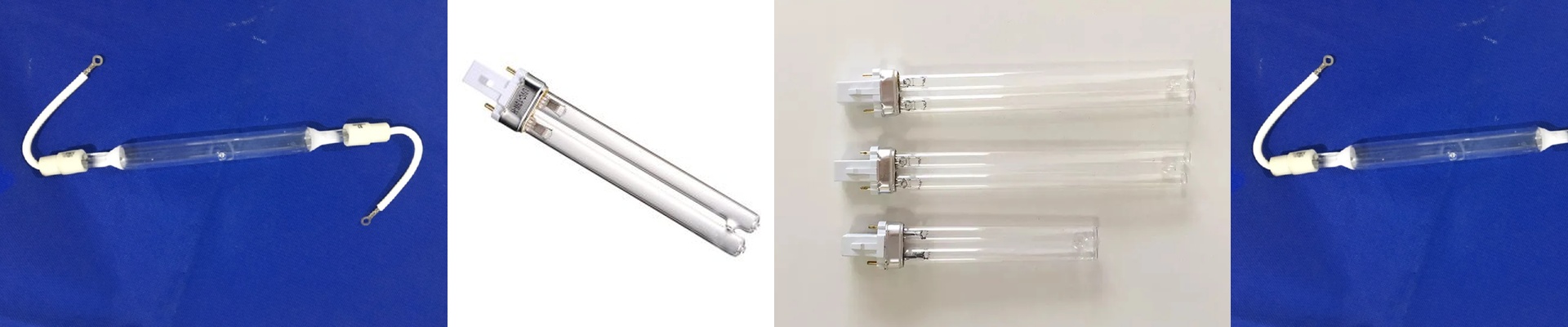
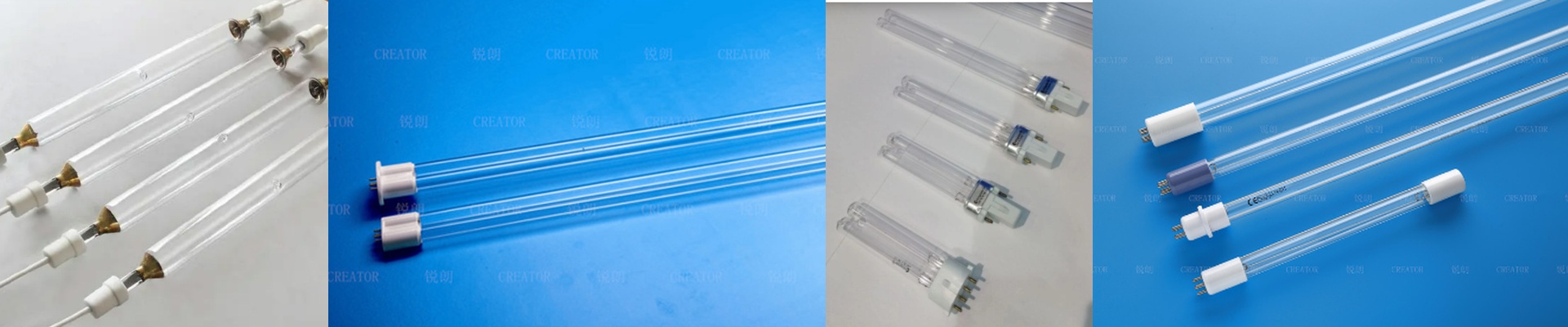
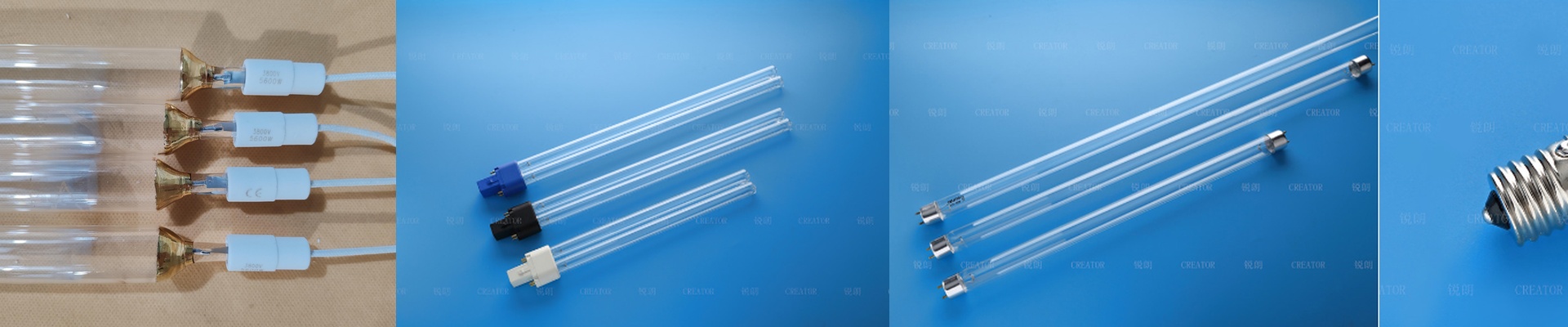
Here’s the heart of it: we run these modules on a 400V input, pushing out 2500W, with a 300mm quartz tube. None of that is by accident. That setup packs a serious UV punch in a small footprint, so you can cure inks and coatings at full line speed without having to rebuild the whole system. The 400V supply keeps the arc stable under real-world industrial voltage, which means fewer current spikes that beat up ballasts and wiring. And the 2500W gives you enough photon density along the tube to fully cure even dense graphics or thick coatings.
Material & Design
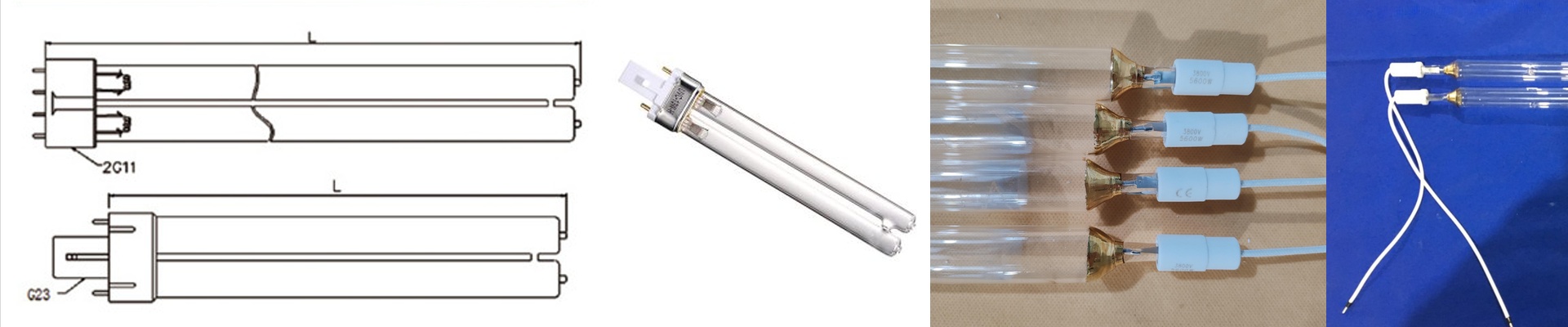
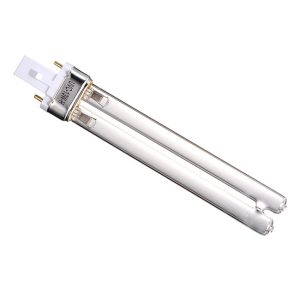
We chose a quartz tube with a special coating that fine-tunes the UV spectrum to hit the exact wavelengths that kickstart photopolymerization. That same coating helps manage heat, so the whole thing stays in a safe, workable temperature range. And the R7s connector? Totally intentional. It locks in a solid, high-temp connection that holds its alignment even when things are vibrating and heating up, cooling down. That translates to fewer hot spots, fewer connection failures, and way less downtime on the floor.
Application & Benefits
On printing and finishing lines, these modules lay down a consistent cure across paper, film, and coated materials. The 300mm length is compact enough to drop right into existing frames, so you don’t have to redesign the lamp housing. And the 2500W/400V combo gives you the muscle to run faster without losing cure quality. Now, with that much power packed in, you do need proper cooling and shielding. Plan your airflow and safety interlocks early, or you’ll run into heat issues down the road. The upside? These lamps are specced to bolt in as a direct replacement, so you can upgrade performance without tearing the machine apart.