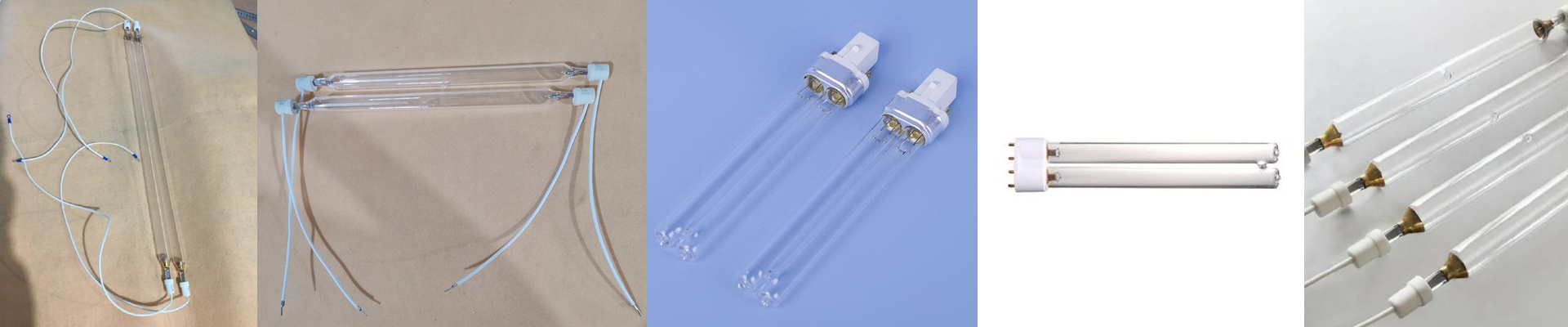
Out on a shop floor that’s thick with dust, your UV curing setup is getting hammered. Airborne grit lands on the lamp and reflector, and in a matter of hours you watch spectral output fall off. You know what follows: ink that won’t fully cure, web breaks, and downtime while you scramble to get heat and intensity back under control. The problem usually isn’t the lamp. It’s the gap between the UV source and the environment it’s running in.
What matters, technically
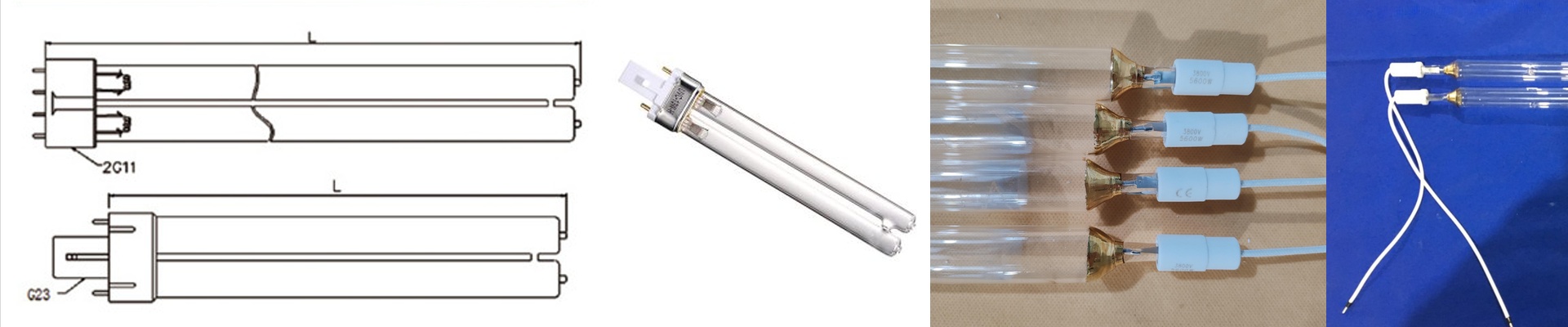
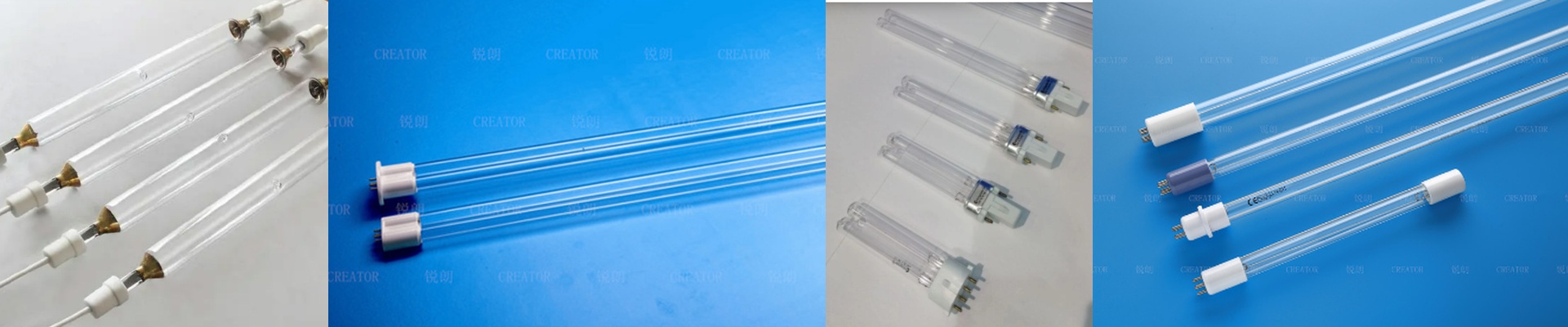
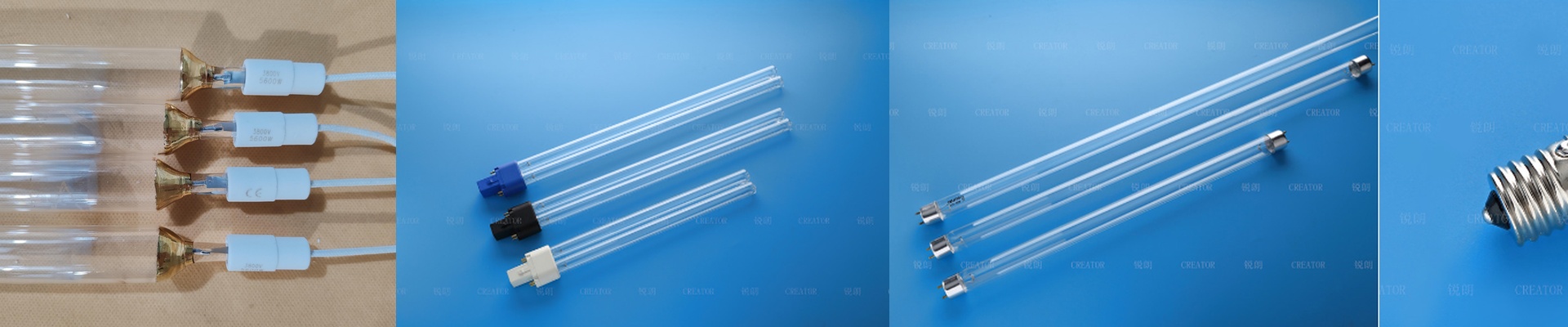
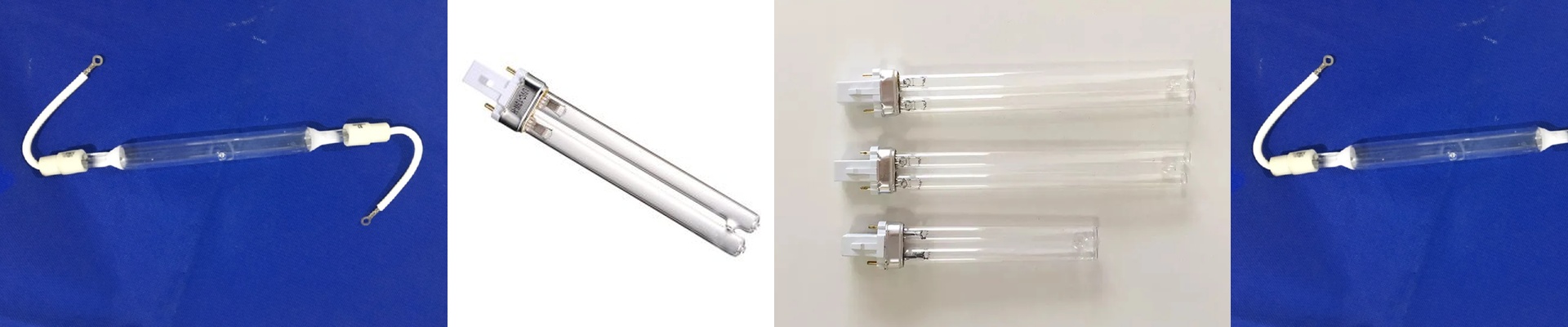
We build the cleaning UV lamp quartz sleeve as a serviceable barrier that keeps the lamp and reflector geometry intact. It’s high-purity quartz, chosen for strong transmission across the mercury lines—especially 365 nm—and the broadband output needed to drive photoinitiator cross-linking. The sleeve is engineered to preserve the lamp’s thermal profile and keep the reflector’s dichroic coating shielded from abrasive dust. When the sleeve stays clean, the system holds steady irradiance and consistent energy density at the substrate.
Why it holds up in practice
With a fully enclosed reflector assembly, the sleeve makes it practical to run a cleaning cycle without tearing down the lamp or reflector. You wipe the sleeve, not the optics. That’s how you keep peak irradiance from collapsing, so curing windows stay predictable and the press keeps running at line speed—no more chasing cure on the fly. The enclosure also protects the lamp envelope, which helps reduce output decay and stretch effective lamp life.
What you need to keep straight
Installation comes down to matching sleeve dimensions and end caps to your lamp and reflector interface. Keep the sleeve torqued correctly; otherwise, you’ll create hot spots. Expect a small thermal penalty—typically 2–4%—because the quartz adds a layer between the arc and the substrate. And if the enclosure is tightly sealed, specify ozone-free sleeves to protect operators and sensitive materials.