The Secret Weapon in Textile Manufacturing: UV Sterilization
Most people think textile production is all about looms and dyes. But there’s a hidden side to it. Biological contaminants—things like bacteria, mold, and viruses—can sneak in and wreck an entire batch of fabric before it even leaves the floor. That’s where UV sterilization comes in. It lets us kill the bad stuff without soaking the fabric in harsh liquid chemicals. No mess, no residue.
Getting the Science Right
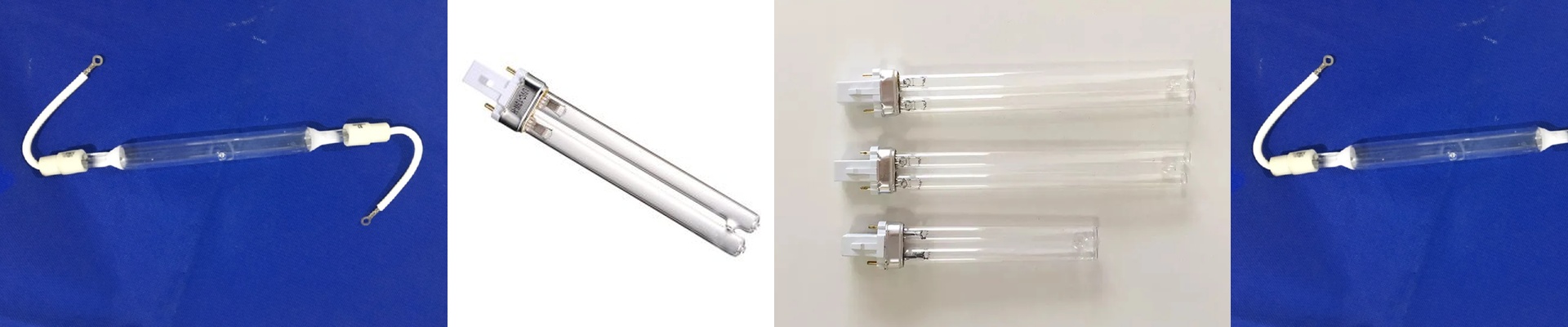
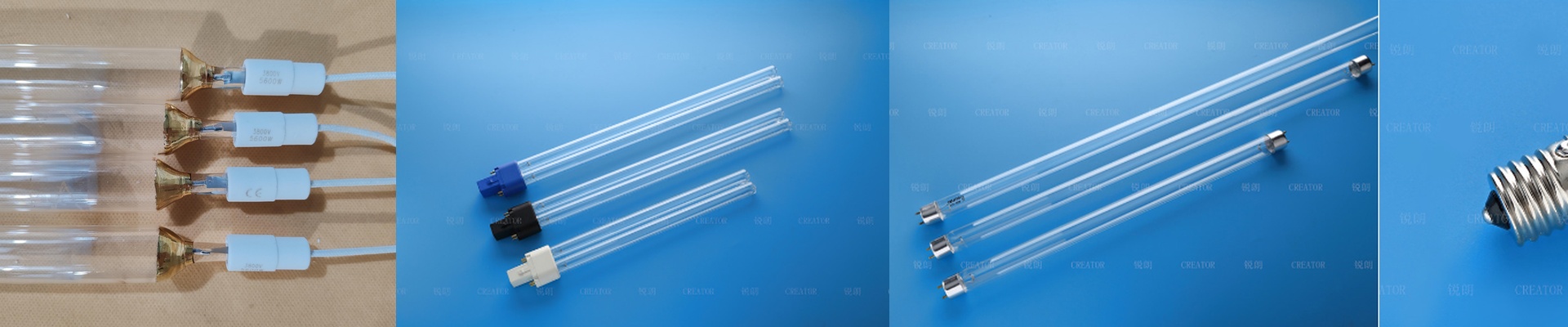
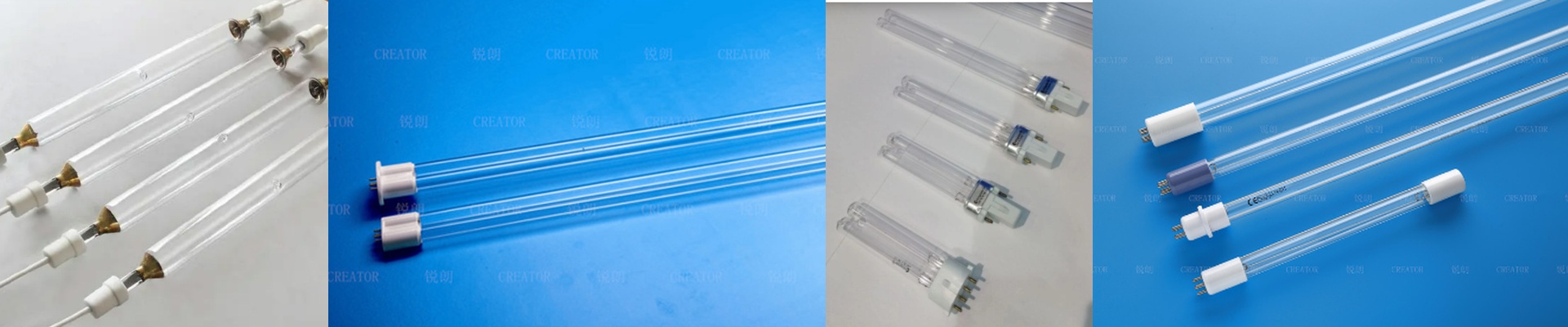
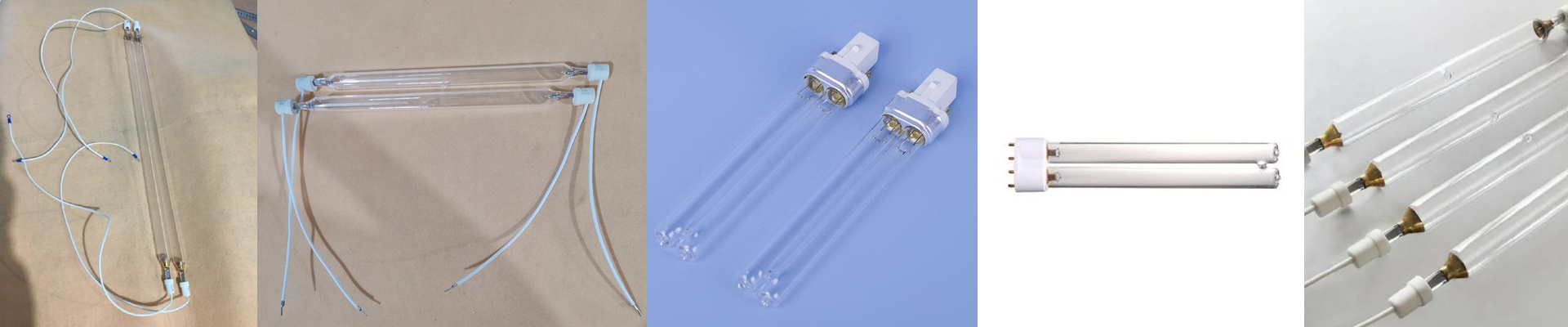
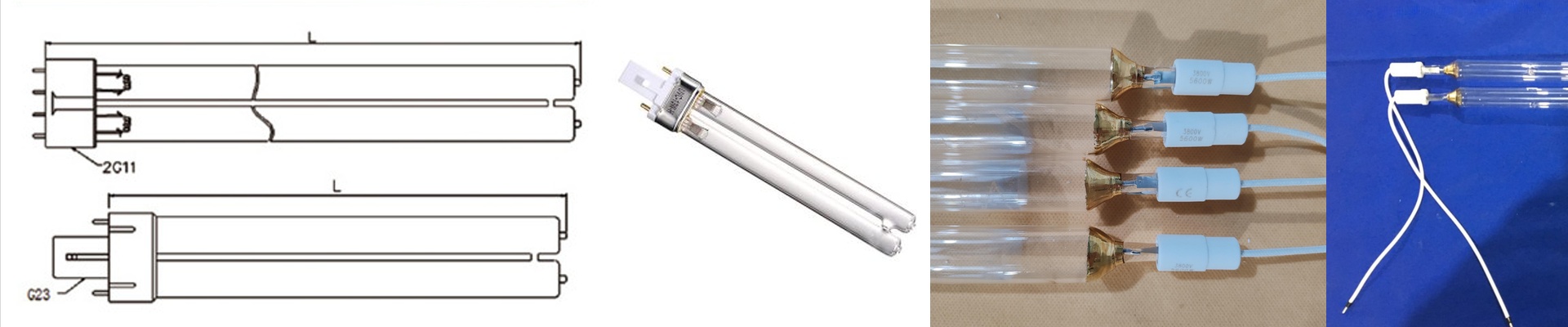
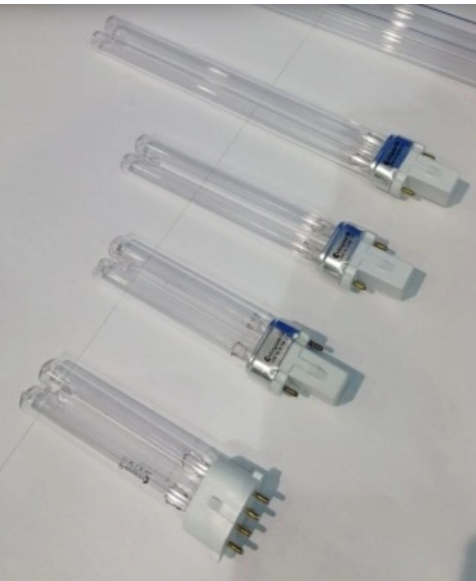
We mostly use UVC lamps that hit exactly 253.7 nm. It sounds like a random number, but it’s the sweet spot. It basically breaks the DNA of microbes so they can’t survive. But here’s the trick: you have to balance your lamp wattage with how fast your conveyor is moving. If the fabric zips by too quickly, the germs survive. If it crawls too slowly, you’re just burning electricity and risking damage to the material. It’s all about that balance.
Fitting It Into Your Shop
Space is usually tight on a factory floor, so we build these units to stay out of the way. Whether it’s a tunnel for rolls of fabric or a small chamber for finished clothes, where you put the lamps matters. We wrap the lamps in quartz sleeves to keep lint and dust off the bulbs. Because here’s the thing:**dust blocks UV rays.**If your shop is a bit dusty, you’ve got to stay on top of the cleaning. A quick wipe-down of those sleeves keeps the kill rate where it needs to be.
The Give and Take
You’ll usually see these systems at three spots: when raw materials first arrive, during the drying phase after dyeing, and right before packaging. The best part? You don’t have to wait for liquid disinfectants to dry. You just move on to the next step. But it’s not magic; there are trade-offs. If you blast certain synthetic fibers with too much UVC for too long, they can start to yellow. Or worse, you might actually weaken the fabric. You have to dial in the timing and intensity just right. My advice? Wire it up with an automated timer. It takes the guesswork out of it and stops a human mistake from ruining a thousand yards of fabric.