Getting the Cure Right: Why Gallium Iodide Actually Matters
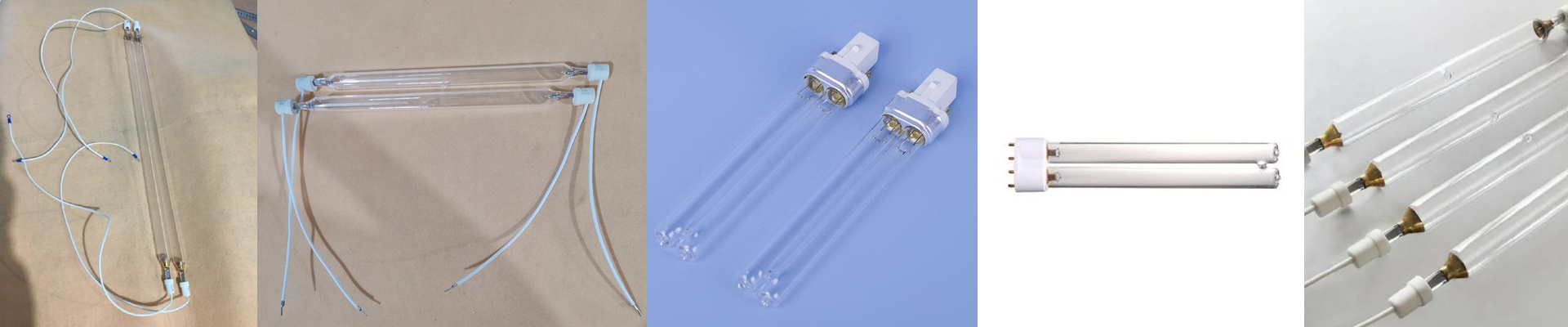
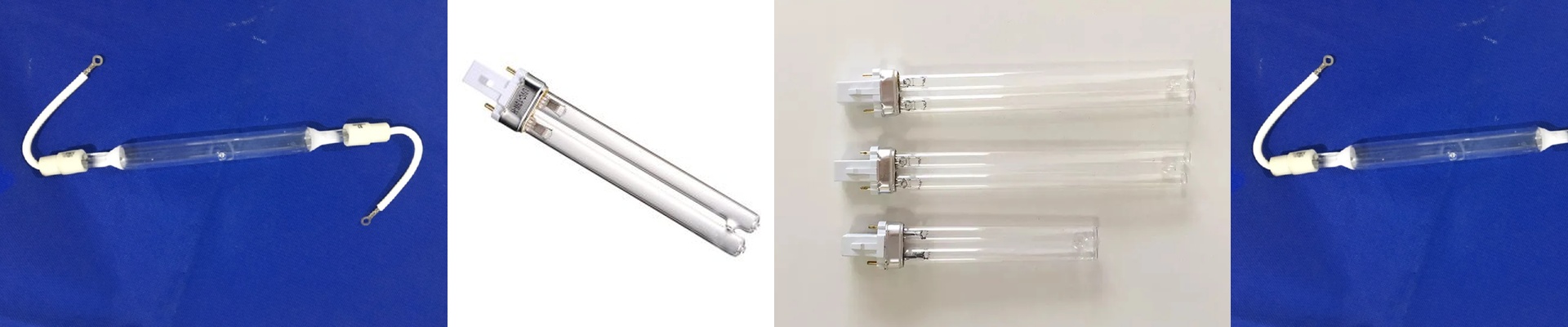
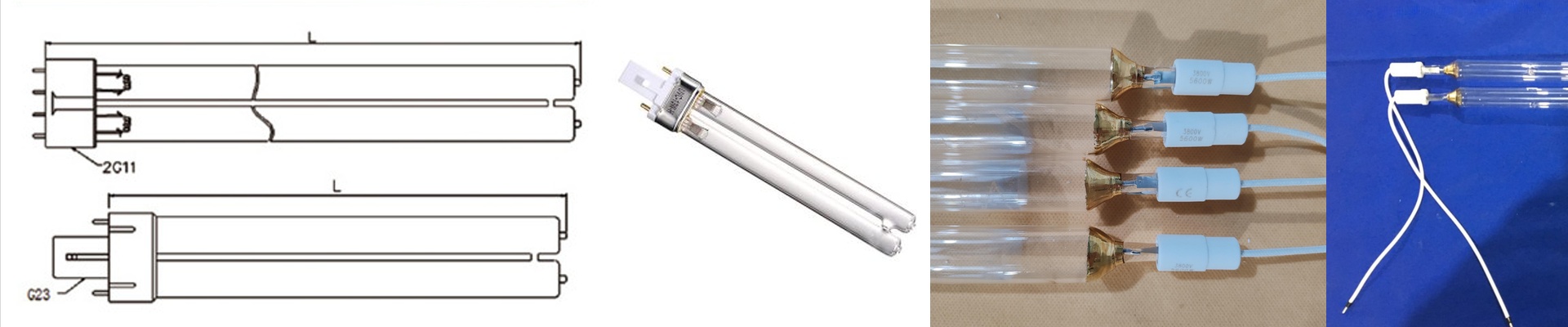
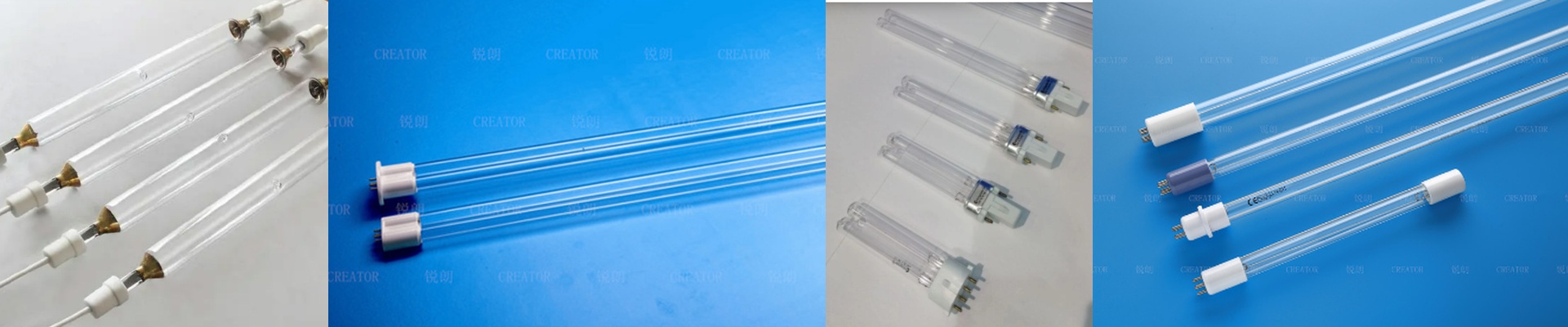
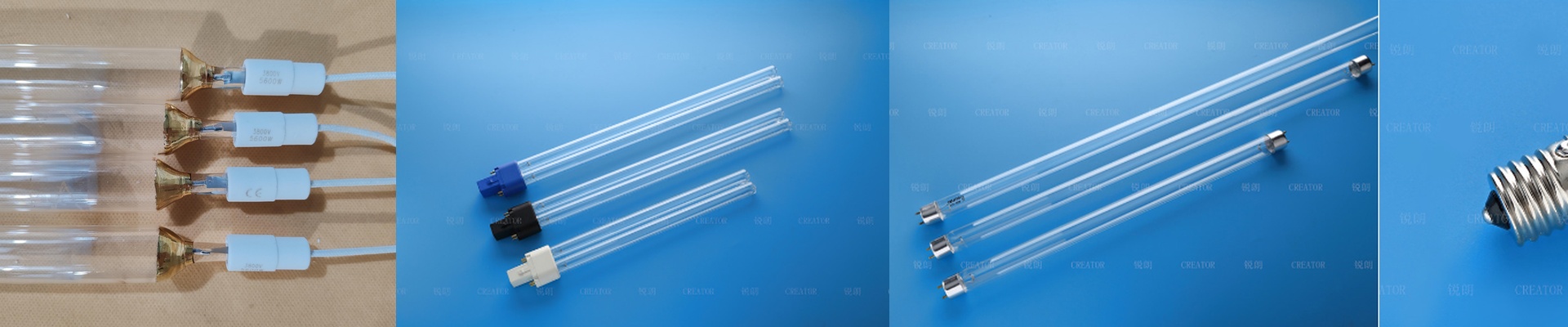
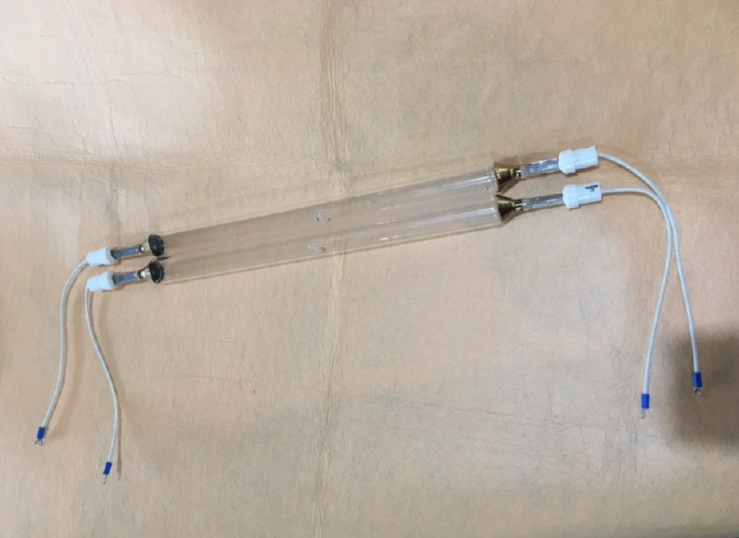
Let’s get one thing straight: gallium iodide lamps aren’t just fancy heaters. They’re specialized tools designed to hit a very specific sweet spot—the 400nm to 500nm range. A lot of shops treat “curing” like it’s just a drying step. It’s not. It’s more like flipping a chemical switch to make the material harden.
The problem with standard lamps
If you’ve ever dealt with thick coatings or resins with heavy pigments, you know the struggle. Standard mercury lamps usually fail here. The light just bounces off the surface. If you’re running deep blues or greens, that’s where gallium iodide saves you. It shifts the light peak, allowing the energy to actually sink deep into the material. It gets all the way to the bottom layer so you don’t end up with a finished product that’s still tacky to the touch.
A word of warning on heat
These lamps pack a punch, but that power comes with a catch. They gethot. Seriously hot. You can’t just slide these into an old housing and hope for the best. If your cooling fans can’t handle the wattage, you’re going to warp your housing or fry your reflectors. My advice? Use digital power controllers. They let you tweak the output based on how fast your line is moving. It keeps you from over-curing the product and makes your tubes last a lot longer.
Making it work in a modern shop
In a smart factory, these lamps shouldn’t just run blindly. They need to talk to your conveyor. When you sync the lamp output with your PLC speeds, you stop wasting electricity. We see this all the time in automotive coatings or high-end electronics. In those worlds, “close enough” is a disaster. You need the light to be consistent across the entire web. If the lamp flickers or dips, your cure rate drops. And when the cure rate drops, your scrap pile grows. We build these to stay steady, so you can stop worrying about the process and just trust that it’s working.