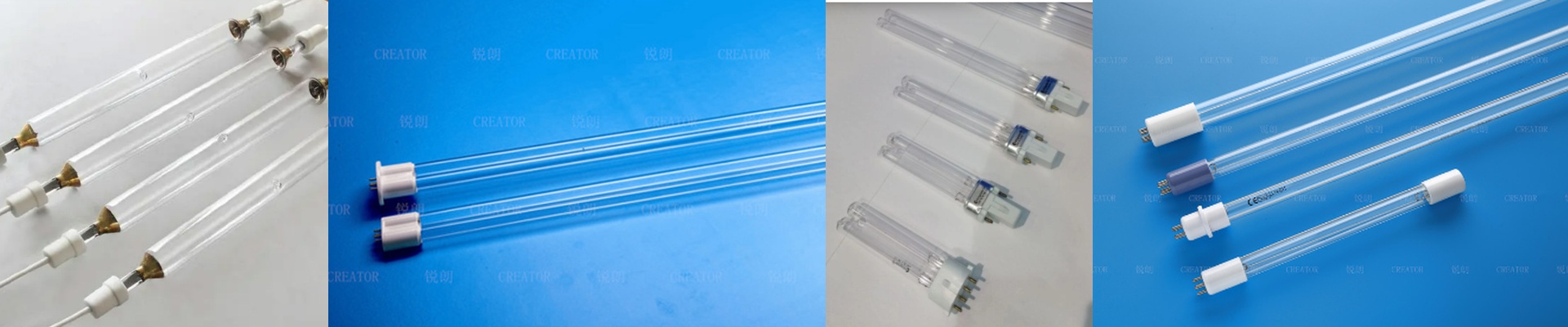
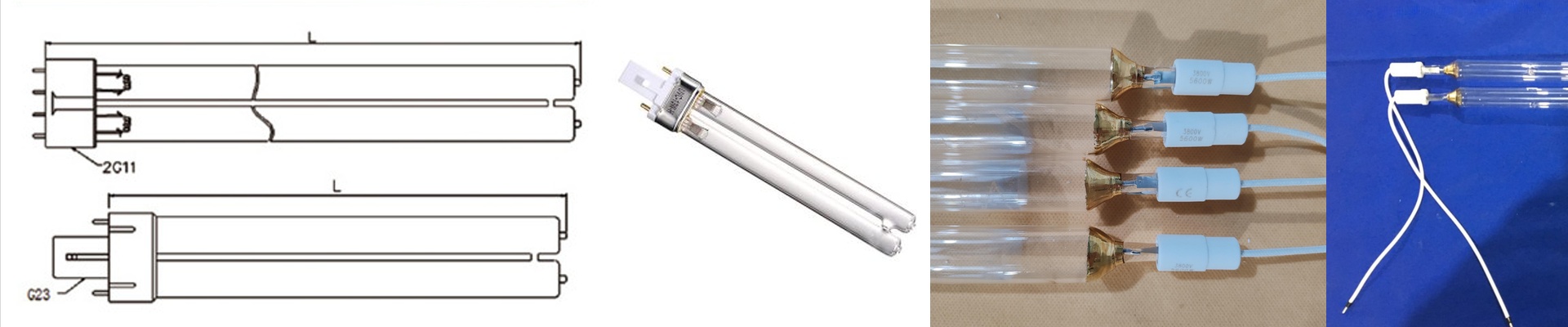
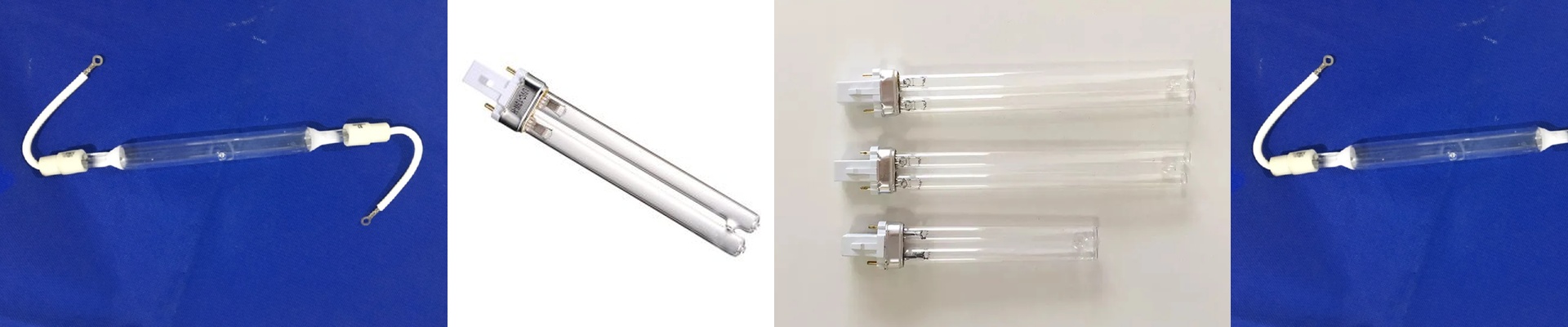
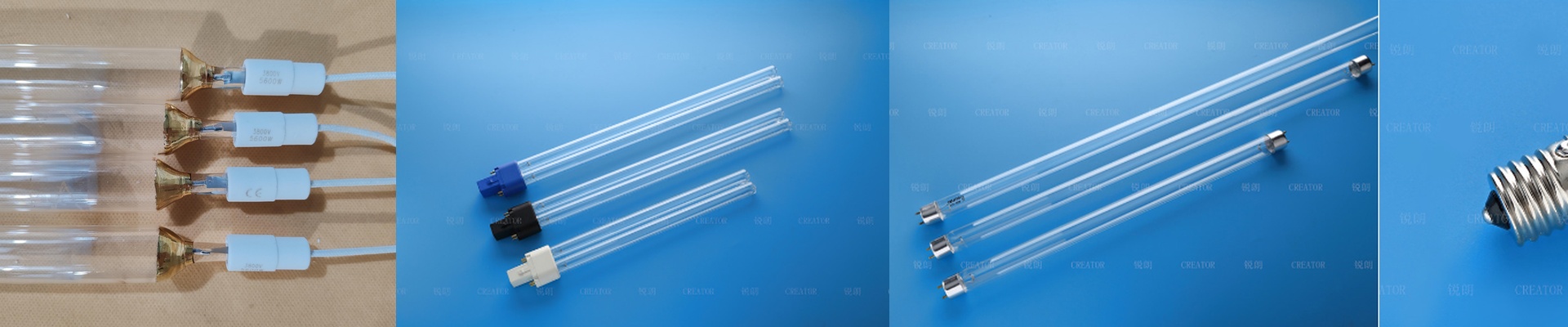
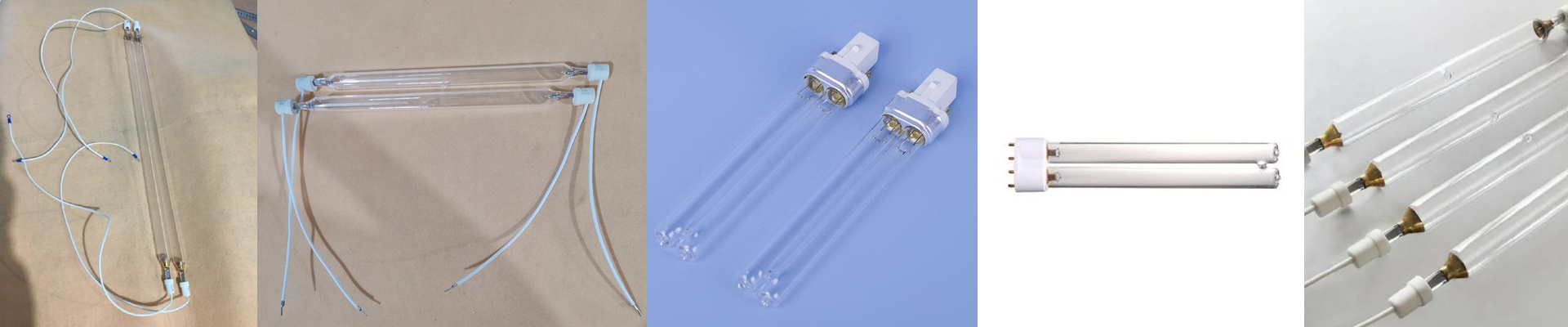
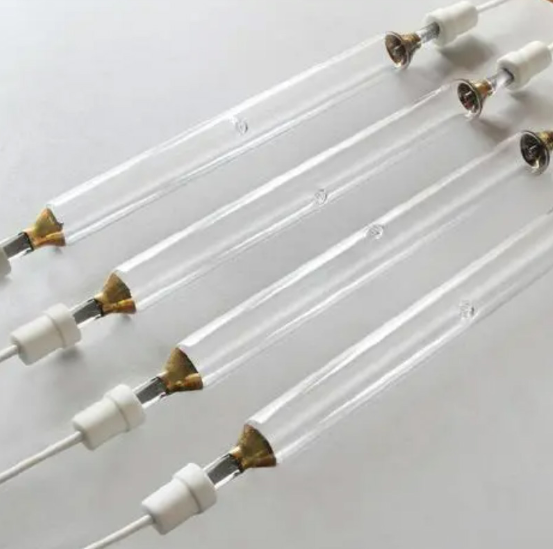
The Secret Sauce of Textile Manufacturing: Mercury UV Lamps
Ever wonder why some printed fabrics feel perfect while others smudge the moment you touch them? It usually comes down to what’s happening behind the scenes. UV curing is basically the invisible glue of the textile world. We use industrial mercury vapor lamps to kickstart a chemical reaction that locks dyes, resins, and coatings deep into the fibers. Without that punch of high energy, your prints would just smear and your waterproof coatings would peel off in sheets. It’s not pretty.
Getting the Power Right
Here is the thing about mercury bulbs: they work by exciting mercury vapor to pump out shortwave radiation (mostly UVC and UVB). When we’re talking about big industrial setups, we care about two things: wattage density and arc stability. Think of it this way—the more wattage you have per millimeter, the faster you can run your line without worrying about the cure rate. But you can’t just throw power at the problem. You have to match the lamp’s output to the specific photoinitiator in your ink. If the wavelength is even slightly off, you’ll end up with a tacky, sticky surface that’s a nightmare to handle.
Dealing with the Heat
These lamps gethot. Like, really hot. To keep them from melting or cracking under the stress, we use high-purity quartz glass. It handles the heat and lets the UV rays slide through without getting blocked. We also beef up the electrodes so the bulbs don’t burn out every time you flip the switch on and off. And don’t ignore the reflector. If you’ve got a poorly spec’d reflector, you’re basically throwing 30% of your electricity into the air. Plus, you need fans that actually do their job. If the housing overheats, the quartz can warp. Once that happens, your focal point shifts, and you get “dead zones” on your fabric where nothing cured.
The Trade-offs
We use these for everything from screen printing to fabric bleaching and waterproofing. But let’s be honest: there’s a catch. Between the mercury content and the power draw, these aren’t “green” energy devices. You’re paying a premium in electricity to get the fastest cure time possible. For the engineers in the room, this means your electrical panels need to be tough enough to handle that initial strike voltage. If they aren’t, you’ll be tripping breakers all day.