Why the “Small Stuff” Matters in Your UV Tubes
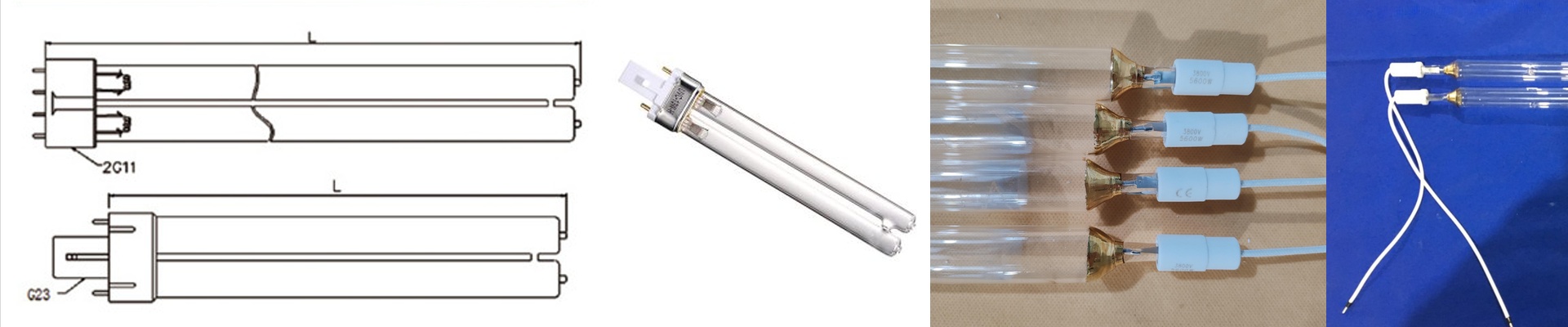
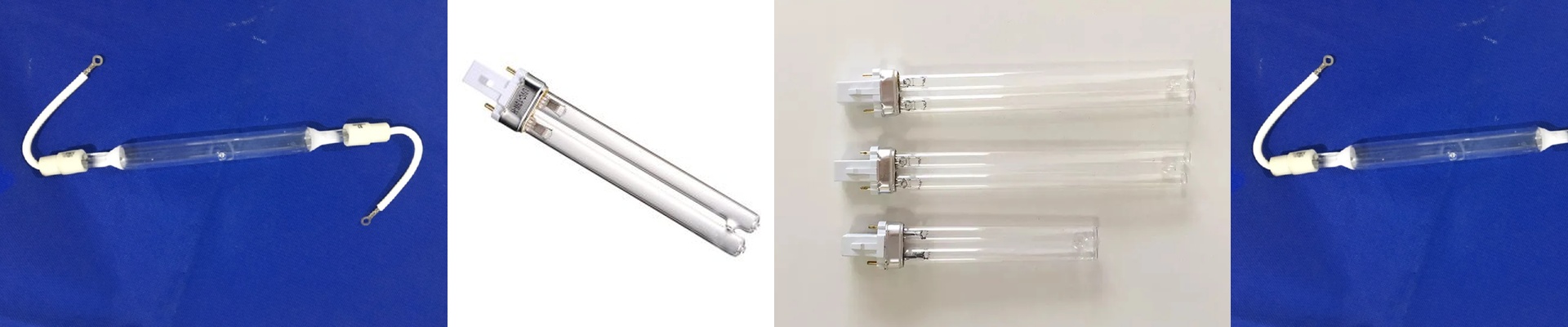
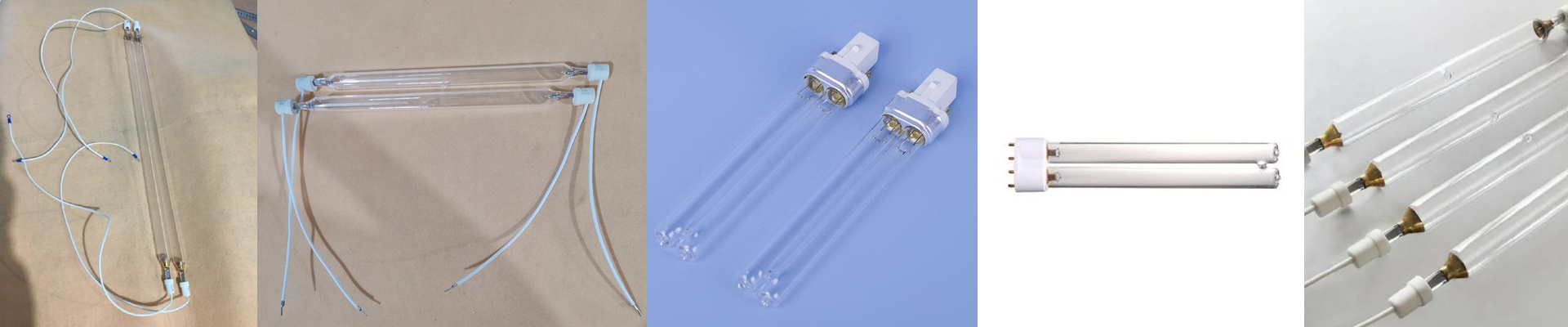
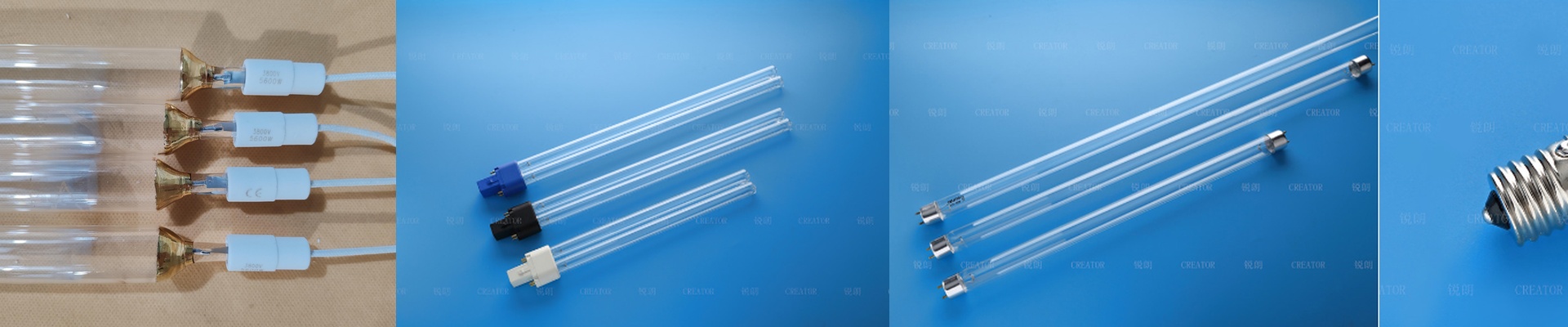
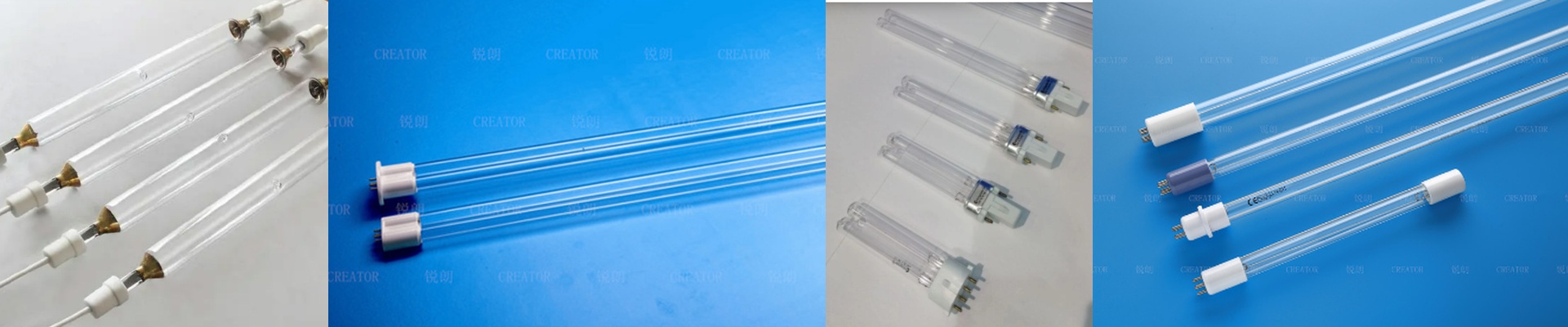
Let’s be honest: most people look at a UV curing tube and just see a piece of glass. But if you’ve ever had a lamp burn out way too early, you know it’s actually a delicate balancing act of chemistry and purity. We build our tubes to take a beating. High-intensity discharge is brutal on hardware, and if the electrode chemistry is off, the lamp just gives up.
Making them actually last
You’ve probably seen “sputtering” before—that’s when the electrode material starts flaking off and coating the inside of the quartz. It’s a nightmare because it kills your UV output. We fixed this by using a specific electrode alloy and a custom gas mix. It slows down that decay. What does that mean for you? It means your cure rate stays steady for thousands of hours. You won’t find yourself constantly messing with your conveyor speed just because your lamp is getting old. It just works.
The legal headache you don’t want
Here is the part people usually ignore until it’s too late. A lot of the cheap tubes floating around are basically copy-cats. If you’re shipping machinery into the US or EU with infringing lamps, you’re playing a dangerous game. Customs can seize your whole shipment, or worse, you get hit with an IP lawsuit. We own our patents. When you put our lamps in your system, you’re getting more than just a light source. You’re getting a legal shield. You can ship your products globally without worrying about some lawyer stopping your gear at the border.
A quick tip on heat
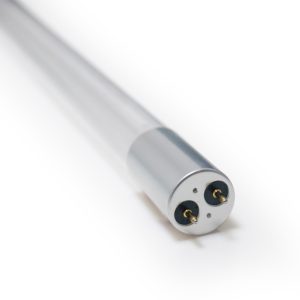
Our tubes are designed to be drop-in replacements, so they fit right into most industrial arrays. We’ve tightened the tolerances on the end-caps, so the electrical connection is rock solid. But a word of warning: these things gethot. If you crank up the wattage to speed up your curing, your fans and reflectors have to keep up. If your ventilation is garbage, you’ll cook the quartz and kill the lamp. No patent in the world can save a tube from overheating. Keep them cool, and they’ll keep running.