Making UV Lamps That Actually Work (And Save You Money)
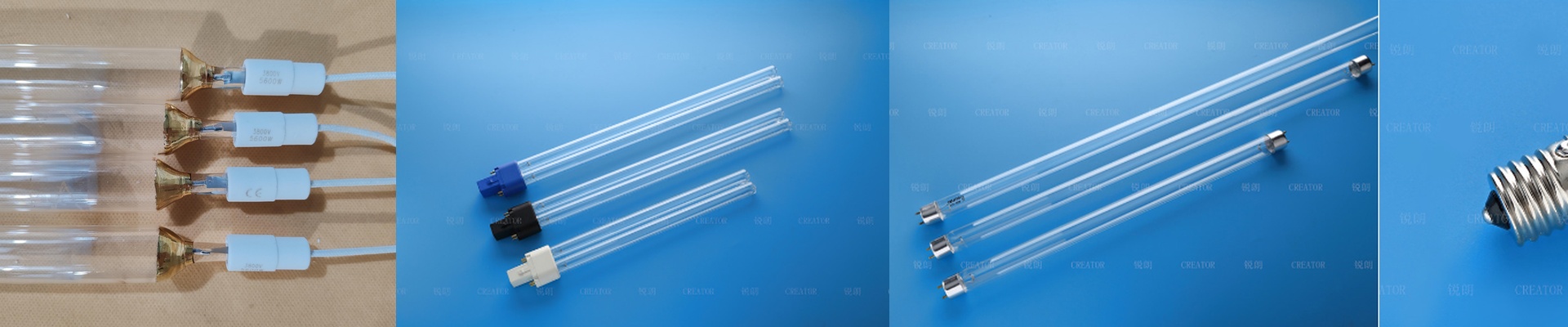
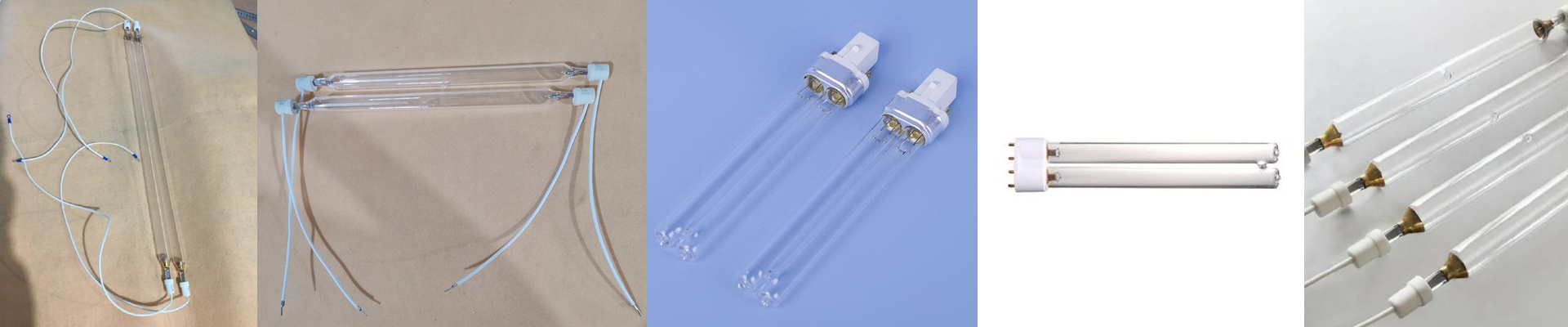
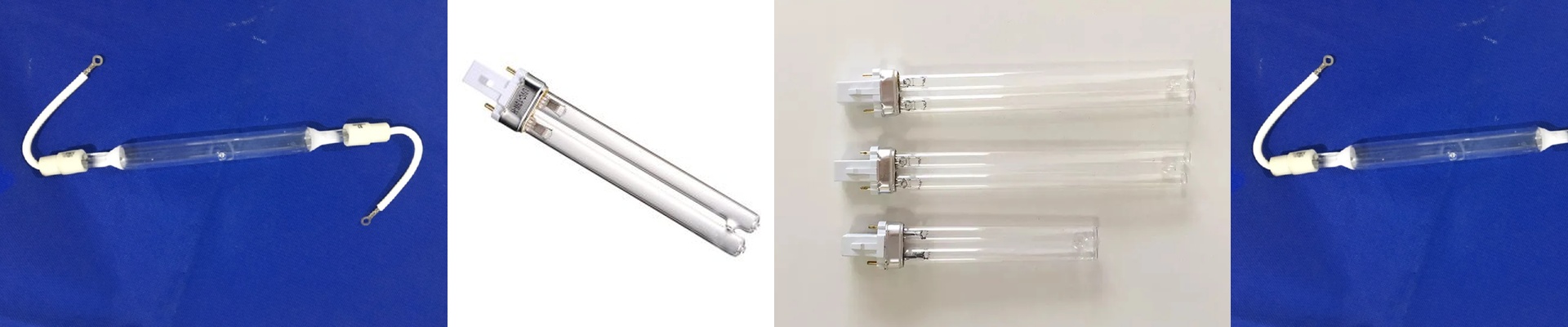
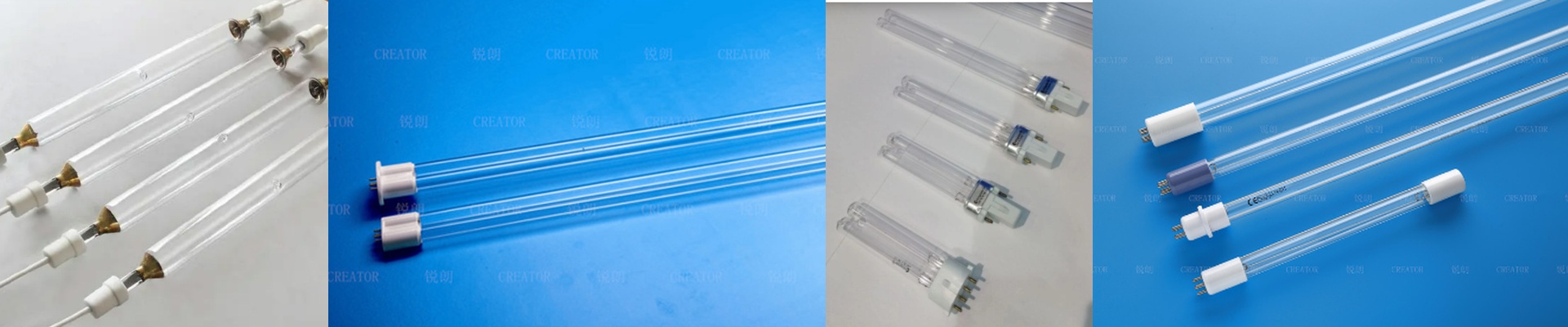
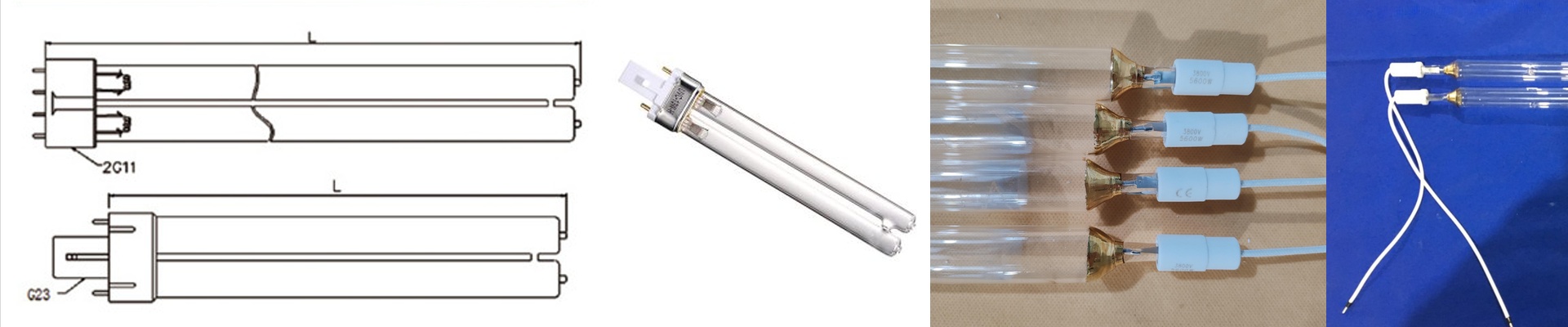
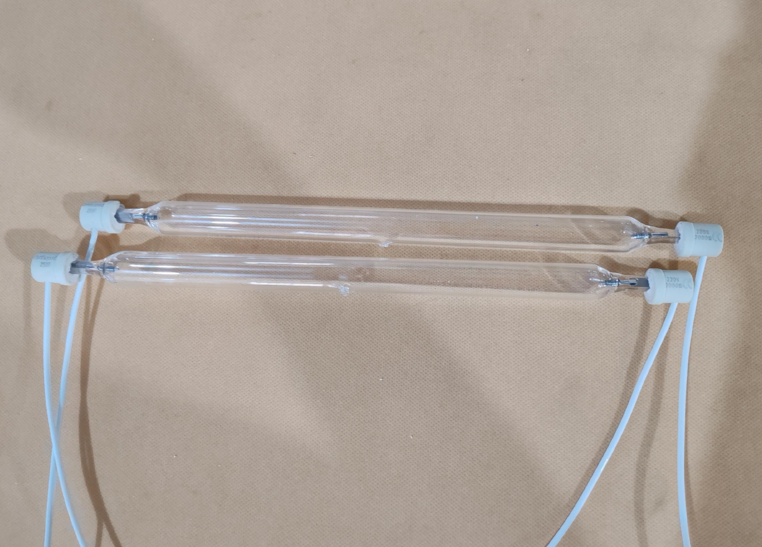
Most UV germicidal lamps just follow a generic blueprint. They hit that 253.7 nm mark to scramble microbe DNA, and that’s about it. But for the last 15 years, we’ve been obsessed with the details—the exact gas mix and the thickness of the quartz envelope. Why? Because we wanted to stop relying on “off-the-shelf” specs and actually match the consistency of the biggest names in the world. The trick to saving energy Here’s the thing: you don’t want to cut power if it means your sterilization fails. The secret is balance. We tweak the electrode materials and gas pressure so you get more “bang for your buck.” We use high-purity quartz with almost no iron in it. This lets the UV light pass through without getting trapped. When you’re running a massive industrial line, this is where the magic happens. You’re getting more UVC output for every watt of electricity you pay for. It’s just smarter engineering. Dealing with the wear and tear Electrodes usually bite the dust first. Then there’s “solarization”—that annoying process where the quartz clouds over and blocks the light. It’s like a window getting foggy, but you can’t just wipe it clean. We use specialized emitters to stop that from happening. It keeps the light steady for thousands of hours. And since we know you don’t want to rewire your whole factory, we made these as drop-in replacements. The pins and dimensions match the international standards exactly. You just pop the old one out and slide the new one in. Simple. The real-world trade-offs Now, these aren’t magic wands. They work best when the lamp is as close to the surface as possible. But there’s a catch. High intensity is great for killing germs, but it’s brutal on plastic. If you’ve got plastic parts nearby, they’ll degrade faster. Also, if you’re running these 24/7 at full blast, expect a dip in power around the 8,000 to 9,000-hour mark. It happens. The best way to handle this is to stagger your replacements. Don’t swap them all at once; do it in cycles. That way, your total system output stays level and you don’t end up with “dead zones” in your sterilization.