Getting the Light Just Right: Why 0.5% Spectral Concentration Actually Matters
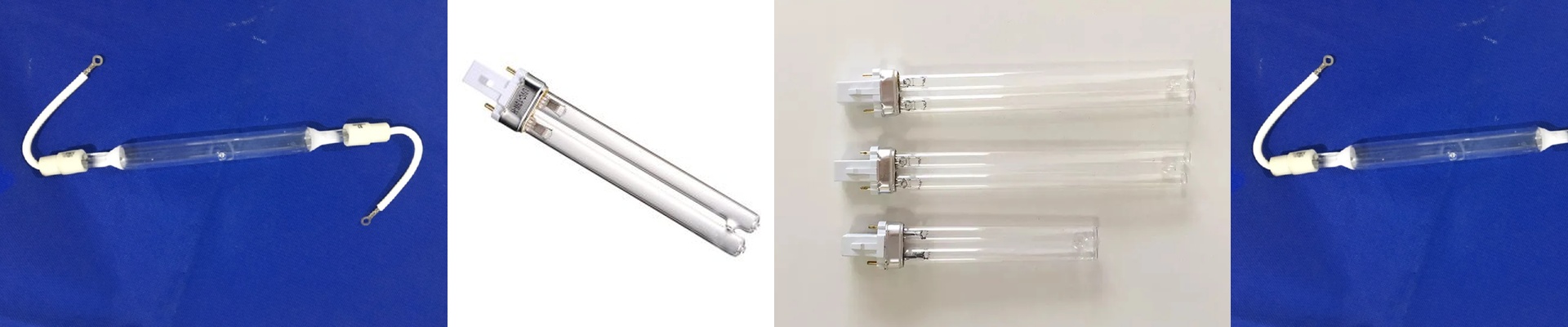
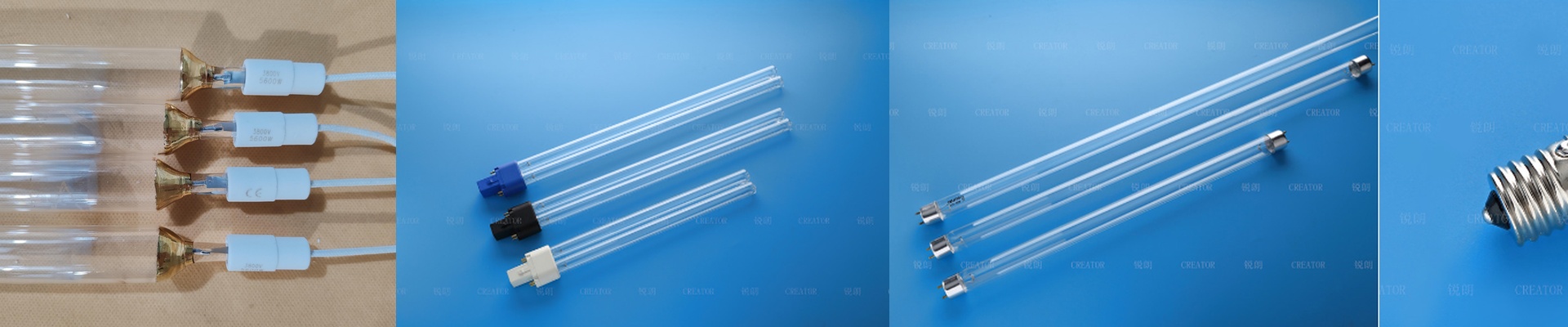
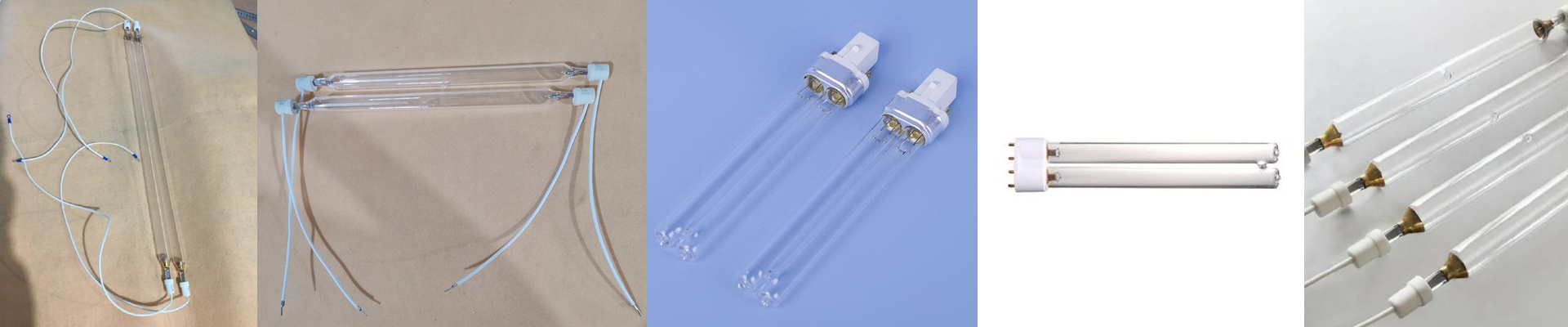
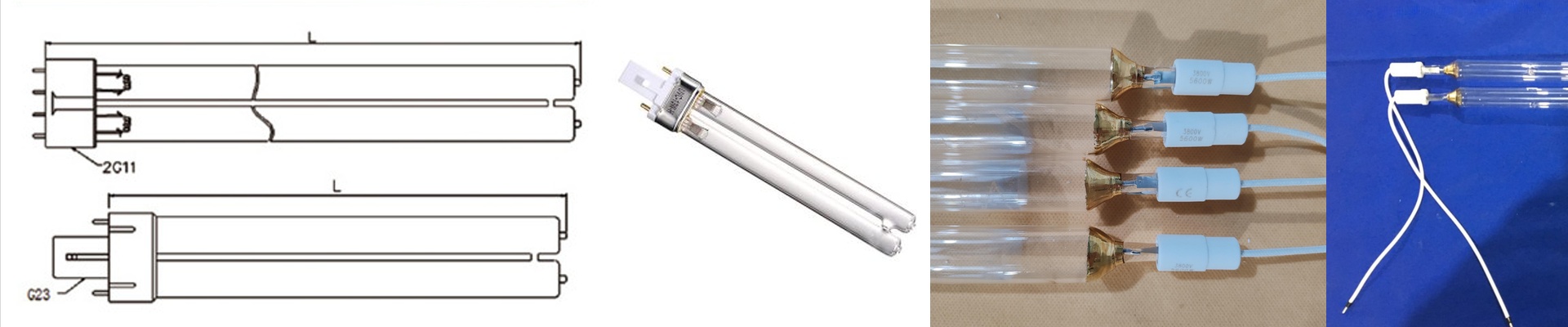
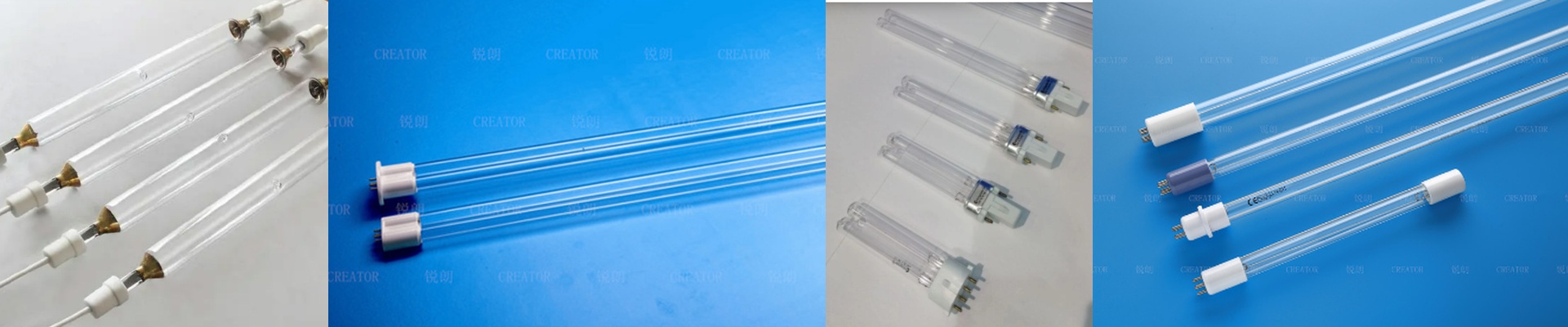
Most UV lamp companies are fine with “close enough.” They ship lamps with a broad energy spread and call it a day. We couldn’t do that. Our R&D team spent months obsessed with hitting a 0.5% spectral energy concentration. It sounds like a tiny detail. But in the world of photo-polymerization, it’s everything. Here is the thing: UV curing only works when the lamp’s output hits the photoinitiator’s absorption peak perfectly. If your energy is scattered, you aren’t curing faster—you’re just generating a lot of wasted heat. By tightening that concentration to a 0.5% variance, we’re basically forcing the photons to go exactly where the chemical reaction needs them. We got there by messing with gas mixture ratios and refining the electrode geometry to keep the arc steady. It wasn’t easy, but it works. Now, there’s a catch. To make this happen, we use high-purity synthetic quartz. We have to. Standard glass would just block the shortwave UV or, worse, melt under the pressure. But quartz is picky. These tubes are fragile. If you drop one or get a smudge of grease on the surface, you’ll get a hot spot. That’s a one-way ticket to a premature burnout. Treat them with care. When you’re actually installing these into your line, keep an eye on your power. If your voltage is jumping around, that 0.5% precision we worked so hard for just vanishes. You’ll need a stabilized ballast to keep the arc temperature locked in. For the engineers planning a curing tunnel, this is the part that pays off. Better concentration means you can crank up your line speeds and stop overpaying for electricity. You get a harder cure in a smaller space. Just a heads-up: make sure your cooling fans can handle the heat density. If they can’t, you’ll warp your reflectors, lose your focal point, and end up right back where you started.