Let’s Talk About Building Your Own UV-C Lamps
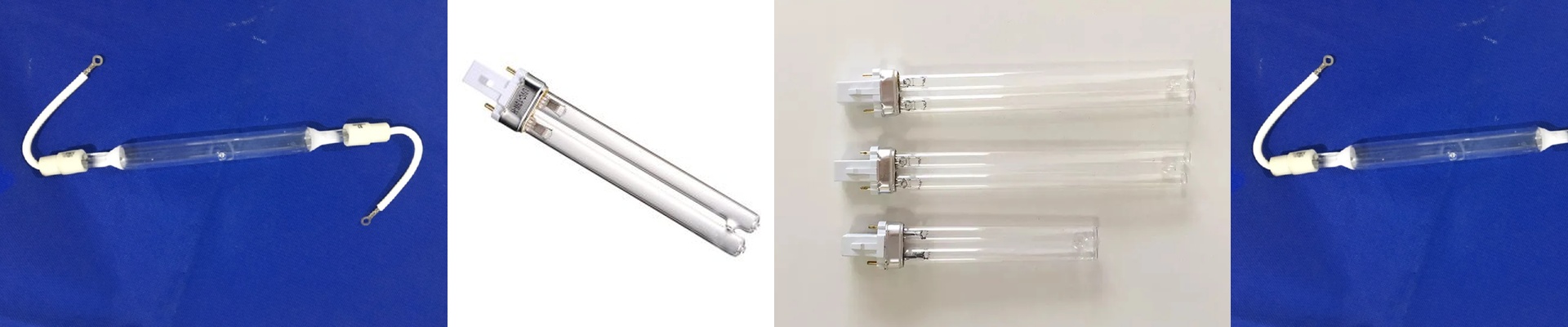
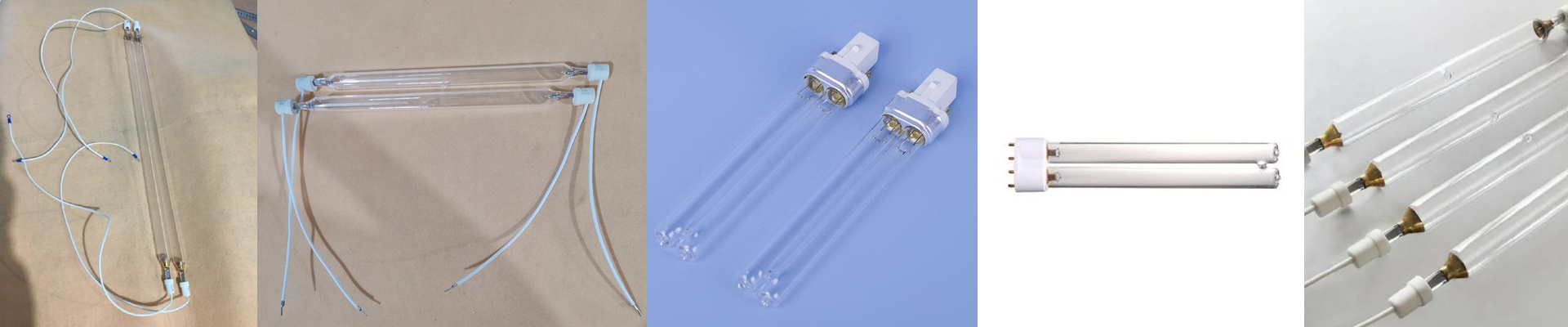
When you partner with us for OEM lamps, you’re doing more than just putting your logo on a piece of hardware. You’re dealing with UVC radiation—specifically that 253.7nm wavelength. It’s powerful stuff. It kills germs, sure, but it’s also aggressive toward human skin and certain plastics. You have to treat it with respect.
Getting the Power Right
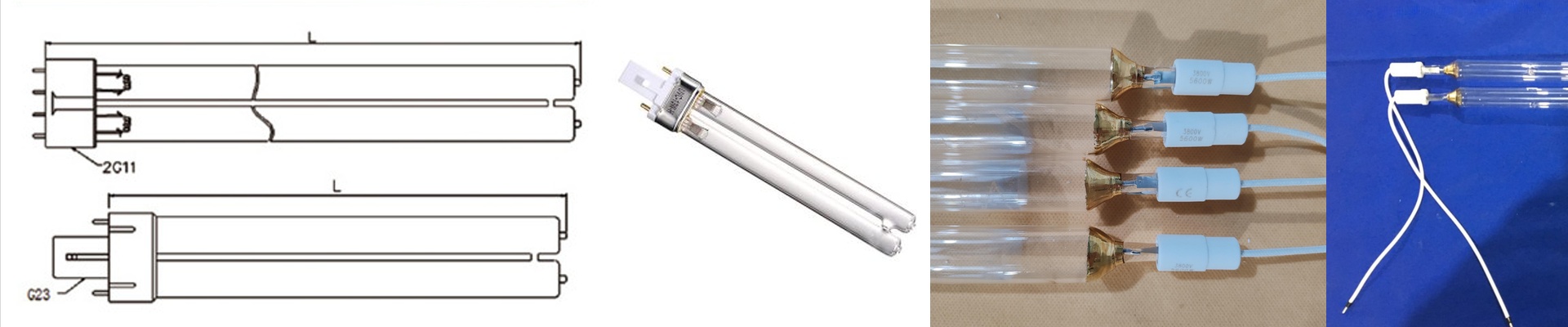
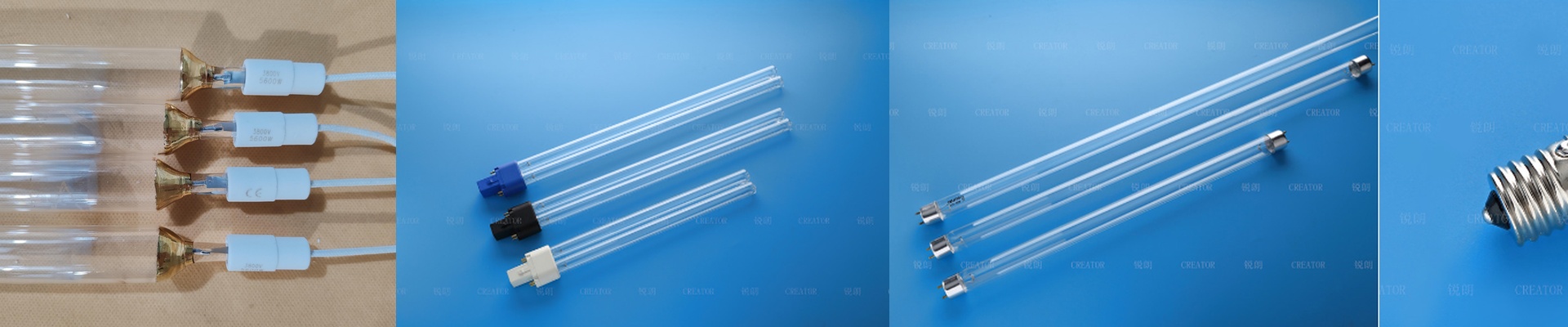
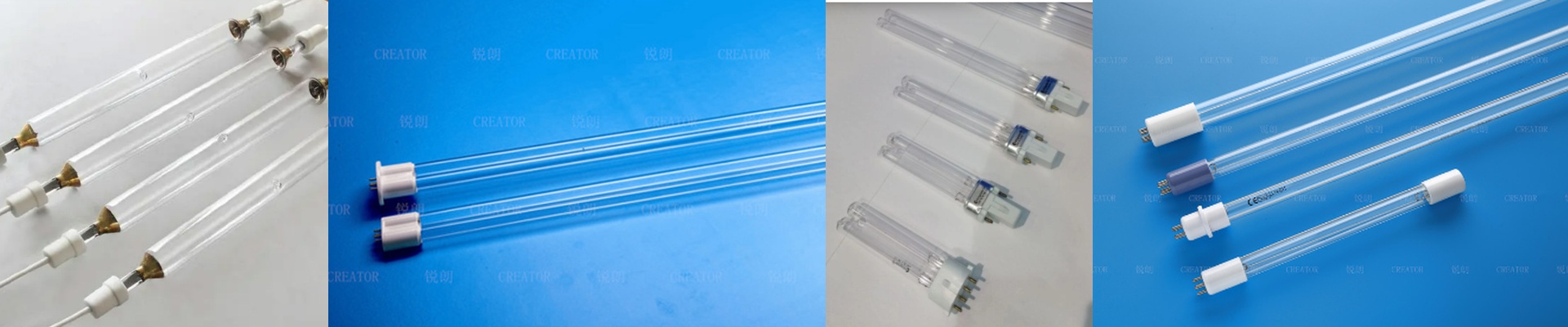
We mostly work with low-pressure mercury lamps. The trick here is the ballast. If your current drifts even a little, the lamp starts flickering. Worse, your lifespan could tank from 8,000 hours down to 2,000. That’s a lot of wasted money and unhappy customers. We can tweak the wattage and length to fit whatever chassis you’ve designed. Just make sure your ballast output matches the lamp’s power draw. If they don’t line up, you’re looking at overheating or a lamp that simply won’t turn on.
Glass, Plastic, and Safety
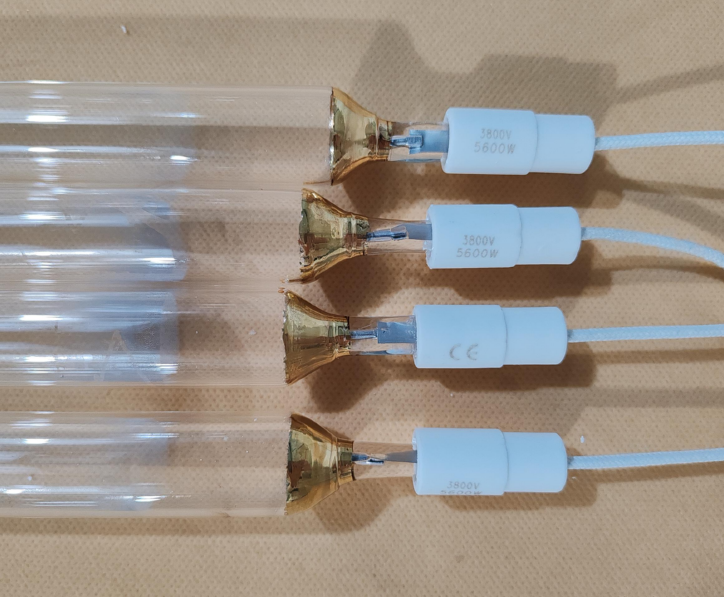
Here’s a big one: you can’t use regular glass. It blocks UVC. We use high-transmittance quartz because it actually lets the light through. Depending on your build, we can add safety coatings or specialized end-caps to keep things tight. But the real responsibility is on the housing. It needs to be completely opaque. If light leaks out of the chassis, you’ve got a serious safety problem on your hands. We’ll give you all the technical data you need so you can build in baffles and kill-switches that shut everything down the second a door opens.
The Heat Struggle
It’s a classic trade-off. More wattage means more germicidal power, but it also means more heat. Too much heat kills the lamp’s effectiveness over time. If you’re going for a high-output build, you’ll need active cooling or some solid heat sinks. Without a way for the air to move, the quartz tube gets stressed and burns out way too fast. We’ll send over the thermal profiles so you can figure out the best way to vent the system.