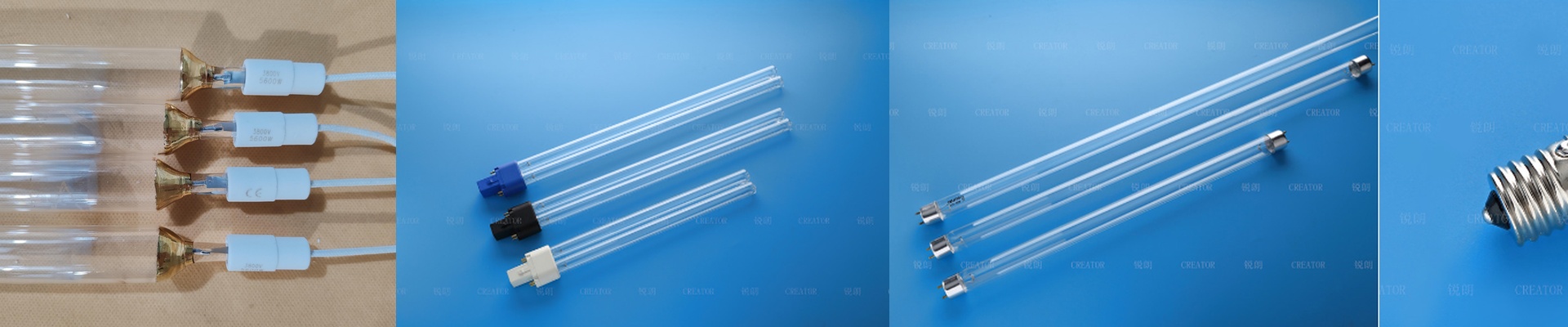
Using UV Sterilization in Your Textile Mill (Without Ruining Your Fabric)
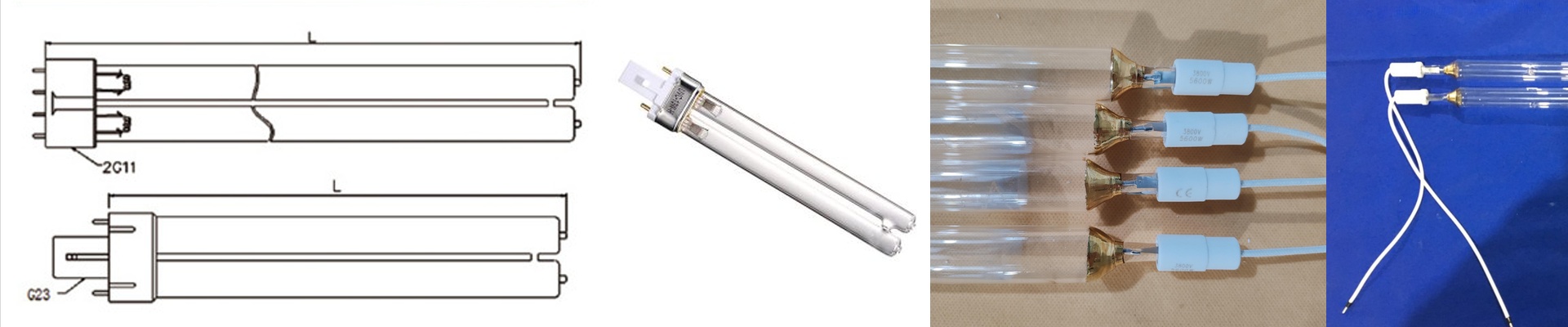
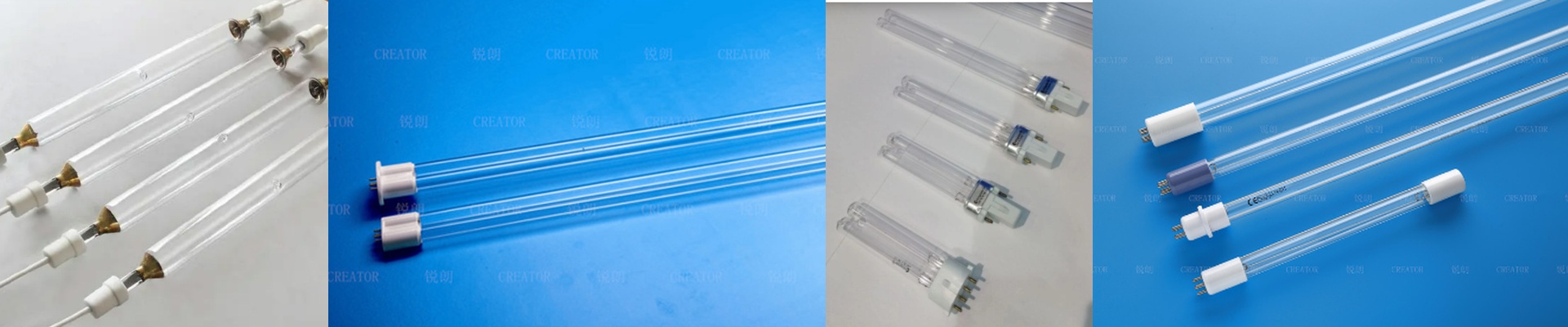
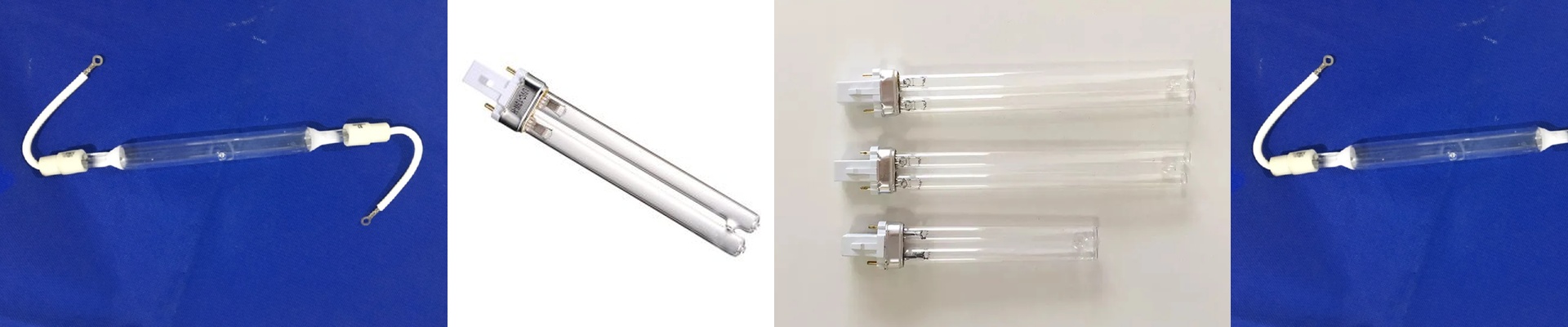
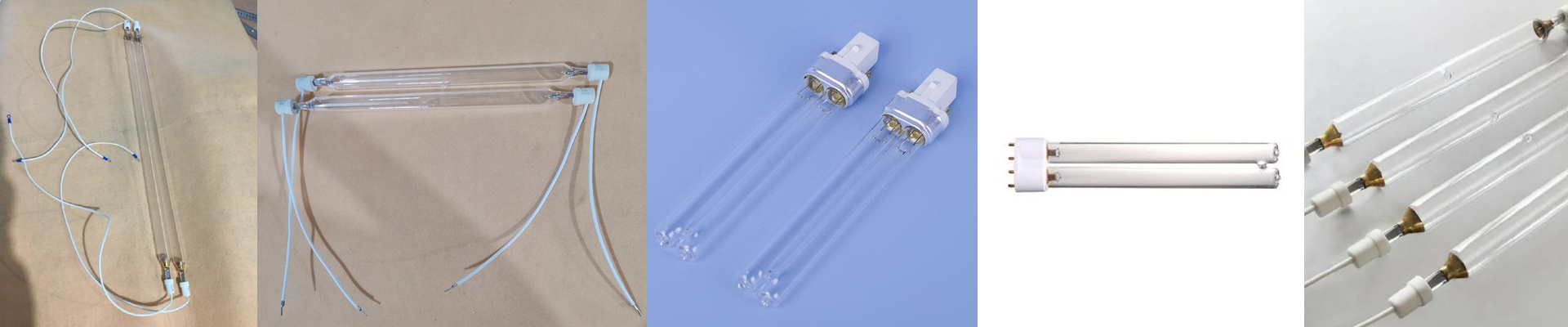
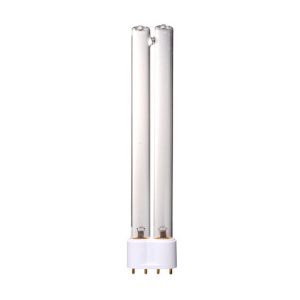
Most people think UV germicidal lamps belong in a hospital wing, but they’re actually a lifesaver on the factory floor. From the moment raw fibers come in to the second a garment gets bagged, these lamps keep bacteria and mold from crashing the party. Because let’s be honest: nothing kills a high-end fabric run faster than a biological contamination disaster. Getting the specs right We live and die by the 253.7nm wavelength. That’s the sweet spot where the germicidal effect actually works. But here’s the thing: you can’t just slap a lamp on a line and call it a day. You have to balance your wattage against how fast your conveyor is moving. If your line is flying and your tubes are low-wattage, the fabric isn’t getting enough “sun” to actually sterilize. You’ve got to do the math on the UVC fluence—basically, how much energy is hitting the material based on the distance from the lamp. Safety isn’t optional UV-C light is brutal on skin and eyes. It’s not something you just “install”—you have to shield it. In a real industrial setup, we use interlocking switches. It’s simple: if a tech opens a maintenance hatch, the power cuts instantly. No accidents. Also, make sure you’re using quartz glass for the envelopes. Standard glass blocks UVC, which makes the whole system useless. Where it fits in the process Early on, we use these lamps to scrub raw wool or cotton of organic gunk. Then, toward the end, they’re great for curing coatings or giving a final “clean” to a folded shirt before it’s sealed in plastic. But watch out. There’s a catch. UV-C can chew through certain synthetic polymers if you leave them under the light too long. You can’t just leave the lamps running indefinitely. If you do, you’ll end up with yellowed fabric or fibers that snap like dry twigs. You have to tune the dwell time perfectly—enough to kill the microbes, but not enough to burn the cloth. My advice? Wire everything into a PLC. It keeps the timing tight so you don’t accidentally ruin a whole batch of material.